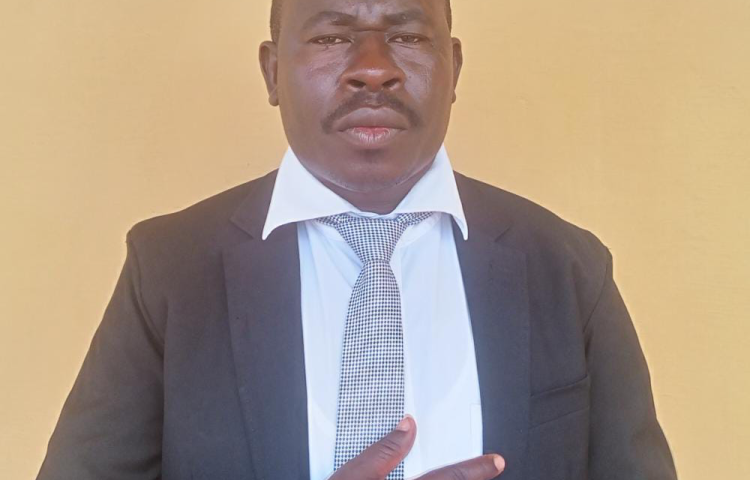
Prosecutor requests 15-month sentence for jailed DRC journalist Blaise Mabala
Kinshasa, April 22, 2024— Ahead of a court decision expected on Saturday in the prosecution of radio journalist Blaise Mabala, the Committee to Protect Journalist is alarmed that prosecutors in the Democratic Republic of the Congo have asked that he be sentenced to 15 months in prison and urges authorities to stop criminalizing the work…
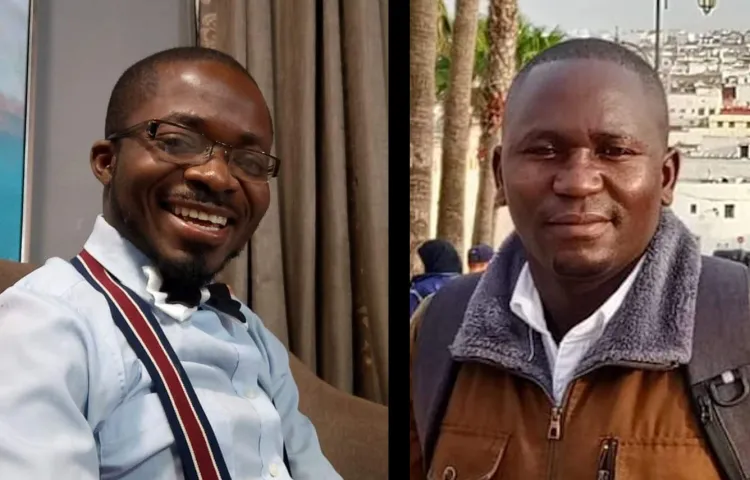
Zambian police detain 2 journalists, make them delete interviews with opposition
Lusaka, April 22, 2024—The Committee to Protect Journalists on Monday called on Zambian authorities to thoroughly investigate a police assault on journalist Rodgers Mwiimba and his two-hour detention, alongside a second journalist, Innocent Phiri. On April 13, police officers arrested the two television journalists at Matanda Grounds, a public space in the town of Kafue,…
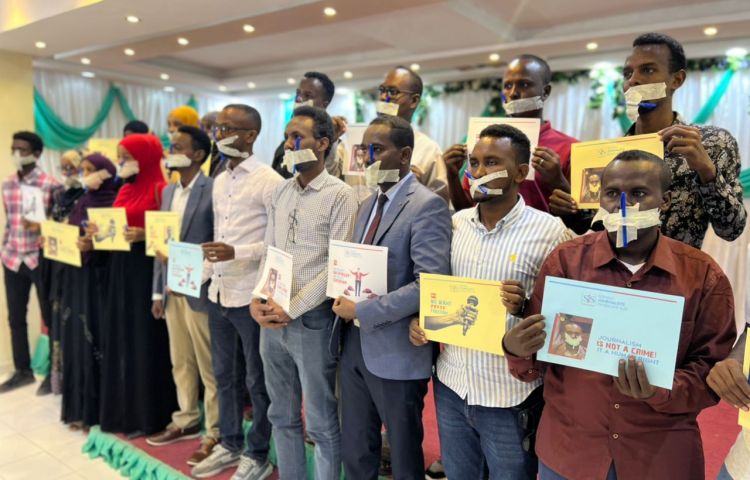
Somali authorities investigate media rights group, freeze its accounts
Kampala Uganda, April 19, 2024—Somali authorities should drop all criminal investigations against the Somali Journalists Syndicate and desist from weaponizing the judicial system to obstruct the work of the media rights organization, the Committee to Protect Journalists said on Friday. Two commercial banks, Premier Bank and Dahabshil Bank International told the Somali Journalists Syndicate (SJS)…

Togo expels French journalist Thomas Dietrich, suspends foreign accreditations
Dakar, April 17, 2024—Togolese authorities must identify and hold accountable the law enforcement agents responsible for arresting and assaulting French journalist Thomas Dietrich and ensure both foreign and local journalists are able to freely report on political news, the Committee to Protect Journalists said on Wednesday. On Tuesday, a court in Togo’s capital Lomé sentenced…
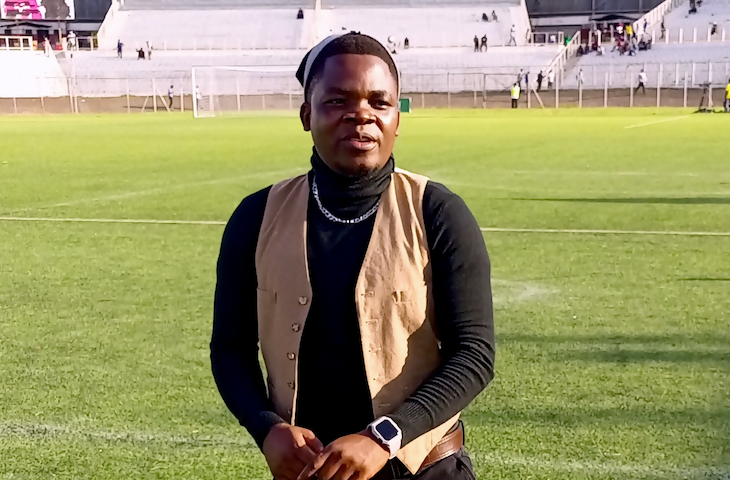
Malawi football fans assault TV reporter Yasin Limu
Lusaka, April 17, 2024—The Committee to Protect Journalists on Wednesday called on Malawian authorities to credibly investigate the assault on TV reporter Yasin Limu by Mighty Mukuru Wanderers Football Club supporters and urged the sport’s governing bodies to take concrete steps to deter future attacks against journalists. On April 7, three supporters of the club,…
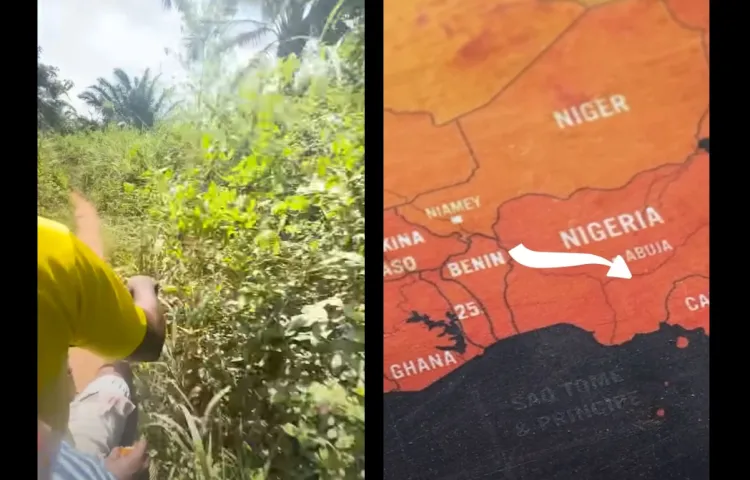
Police investigate Nigeria’s Foundation for Investigative Journalism after corruption coverage
Abuja, April 16, 2024—Nigerian authorities should immediately drop their investigation into the Foundation for Investigative Journalism (FIJ) and its founder, the award-winning undercover reporter, Fisayo Soyombo, and stop intimidating the chairperson of FIJ’s board of trustees, Bukky Shonibare, the Committee to Protect Journalists said Tuesday. On February 21, Soyombo published an investigation detailing how he…
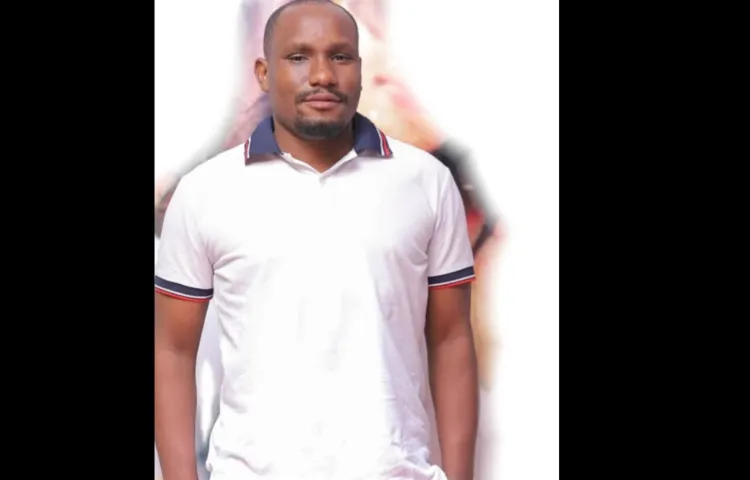
Malawian journalist Macmillan Mhone facing false news, extortion charges
Lusaka, April 15, 2024 – Malawian authorities should drop all legal proceedings against Nation Publications Limited journalist Macmillan Mhone, who is accused of cyber spamming, publishing false news, and extortion, and ensure that journalists can work without the fear of arrest, said the Committee to Protect Journalists on Monday. On April 7, Chester Chikumbutso Doba, a…
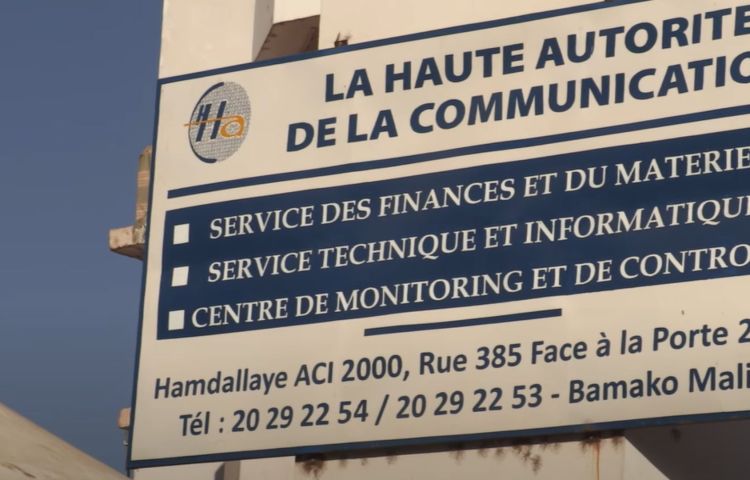
Mali’s media regulator bans outlets from covering political groups
Dakar, April 11, 2024 – The Committee to Protect Journalists urges Mali’s media regulator to lift its ban on political reporting in the country and allow journalists to cover the news without restrictions. On Thursday, the country’s High Authority for Communication (HAC) issued a directive that “invited all media” to “stop all broadcasting and publication” of coverage on…
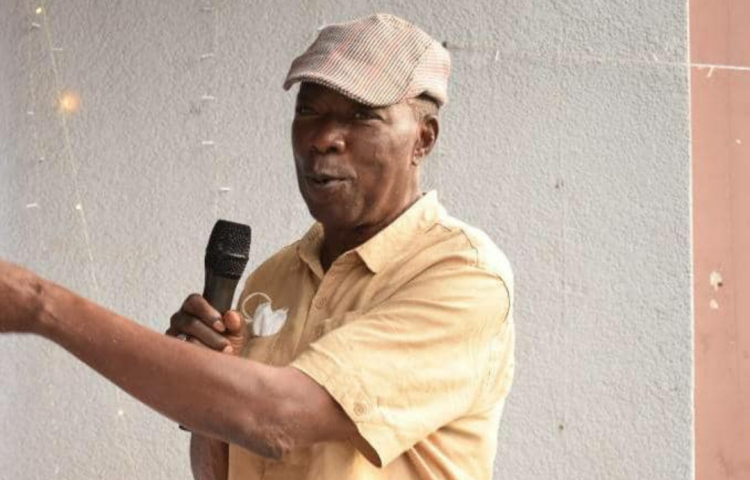
Togolese authorities release journalist Apollinaire Mewenemesse with conditions
Dakar, April 10, 2024 — The Committee to Protect Journalists welcomes the release of journalist and La Dépêche publishing director Apollinaire Mewenemesse and calls for Togolese authorities to lift the conditions placed on his freedom, drop all charges against him, and cease criminalizing journalism. On April 9, a court in Lomé, Togo’s capital city, released…
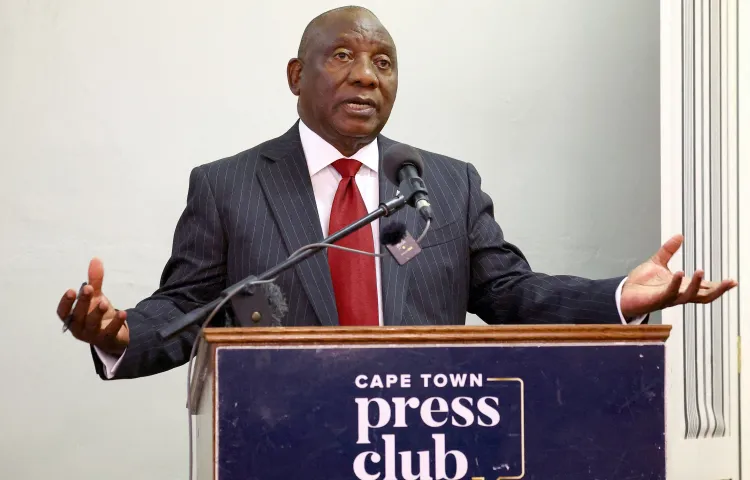
CPJ welcomes South Africa’s abolition of criminal defamation, calls for further legal reforms
Lusaka, April 10, 2024 – The Committee to Protect Journalists on Wednesday welcomed South African President Cyril Ramaphosa’s signing into law a bill that abolishes criminal defamation, and urged authorities to reform other problematic laws that threaten press freedom in the country. On April 3, Ramaphosa signed the Judicial Matters Amendment Act (2023), which includes…