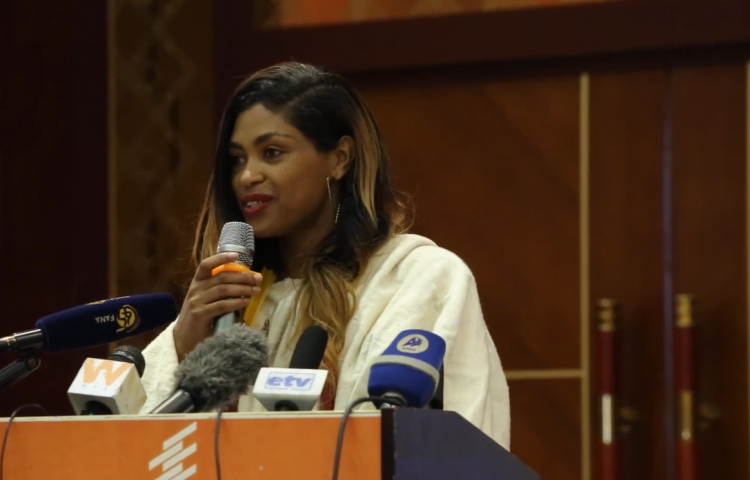
Ethiopian journalist Salsawit Baynesagn detained without charge
New York, June 19, 2026—The Committee to Protect Journalists calls on Ethiopian authorities to immediately release journalist Salsawit Baynesagn or bring her before a court, disclose any charges against her, and ensure that she is not being held in retaliation for her commentary. Her family told CPJ that they suspect her detention is linked to…
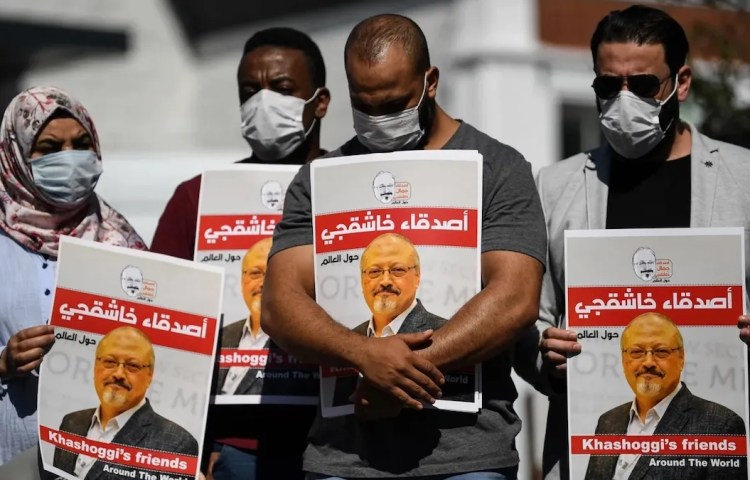
World Refugee Day 2026: Supporting journalists in exile amid transnational repression
World Refugee Day draws attention to journalists who have been forced to flee their home countries due to threats, conflict, or repression. While exile is now recognized as a growing reality for journalists worldwide, the experiences of journalists CPJ supported last year reflect the reality that relocation does not necessarily bring safety. Increasingly, journalists in…
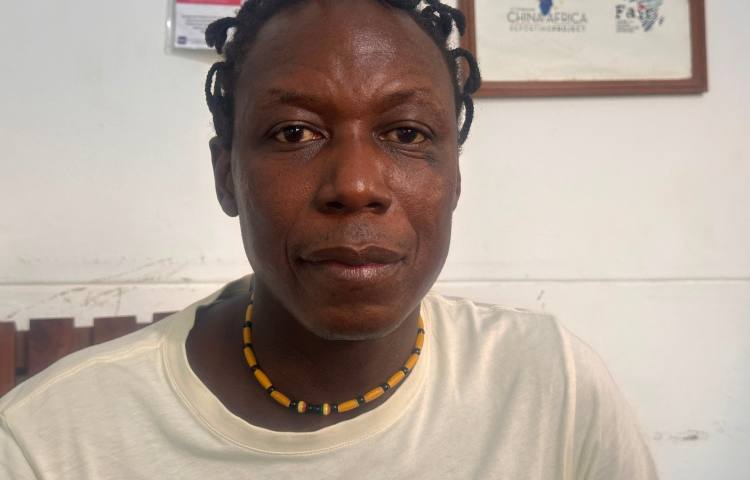
Mozambique’s Estacio Valoi faces ‘clear intimidation’ over environmental reporting
New York, June 17, 2026—The Committee to Protect Journalists calls on Mozambican authorities to return the equipment of prominent investigative journalist Estacio Valoi and to end the intimidation of reporters covering environmental crimes and conflict in northern Cabo Delgado province. On June 16, three National Criminal Investigation Service (SERNIC) agents went to Valoi’s home in…
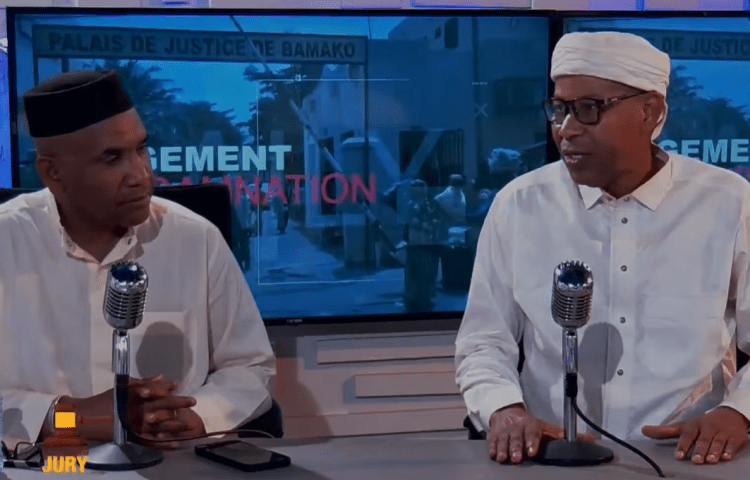
In Mali, 2 more journalists arrested under cybercrime law for criticizing authorities
Dakar, June 16, 2026—The Committee to Protect Journalists calls on Malian authorities to release two prominent journalists imprisoned last week for criticizing the country’s embattled military government over its press freedom record and losses to insurgents. “Malian authorities must stop their frenzied arrests of journalists, drop the charges against Abdrahamane Keïta and Chahana Takiou, and…
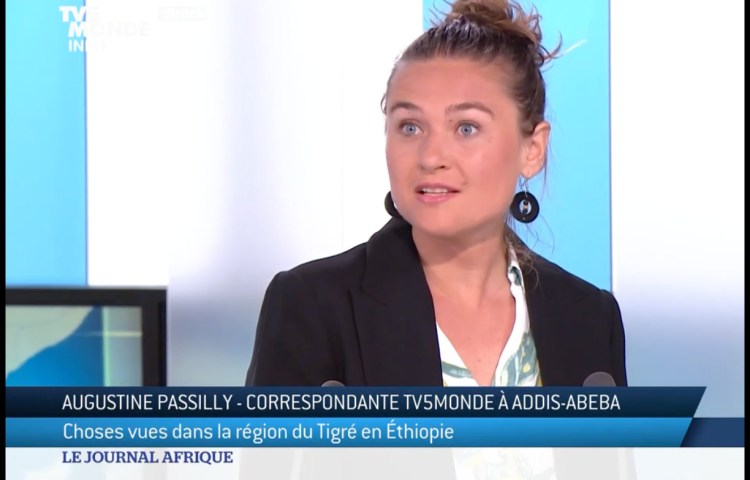
Ethiopia expels French journalist Augustine Passilly after reporting trip to Tigray
New York, June 12, 2026—The Committee to Protect Journalists calls on Ethiopian authorities to reverse the expulsion of French journalist Augustine Passilly following her reporting trip to the northern state of Tigray, where residents spoke out about their fears of a return to war. “Ethiopia’s expulsion of Augustine Passilly is a blatant act of retaliation…

In Comoros, journalist arrested for report on jailed ex-president’s health
Dakar, 10 June 2026—The Committee to Protect Journalists calls on Comorian authorities to release journalist Toufé Maecha who was arrested on Monday at his home in the capital, Moroni, over his reports in La Gazette des Comores about the ill-health of a jailed former president. “Comoros authorities should refrain from cavalierly arresting journalists for their…
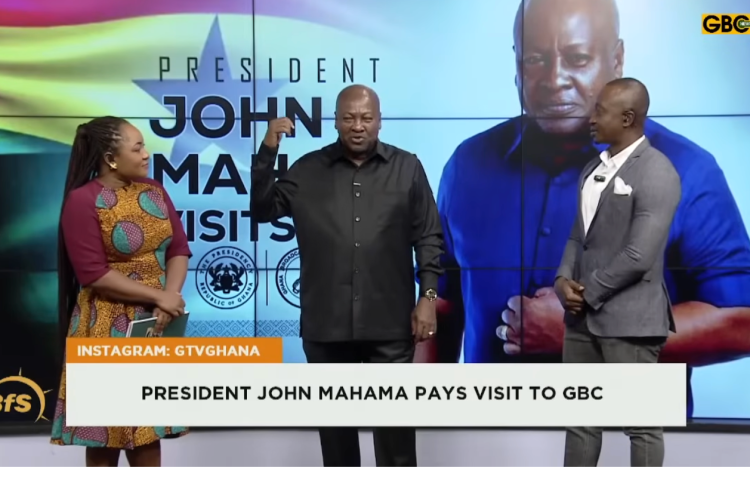
Under Ghana’s President Mahama, near-total impunity for attacks on 17 journalists
When Ghana’s President John Dramani Mahama took office in January 2025, pledging to restore “an era of true media freedom,” journalists had reason to hope that attacks on the press would be taken more seriously than before. But during Mahama’s tenure, CPJ has documented eight separate incidents in which at least 17 journalists were attacked…
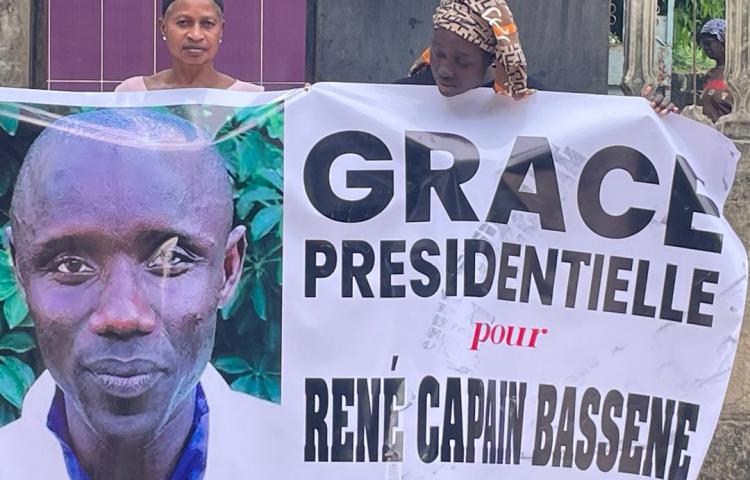
EXCLUSIVE: Senegal’s grave miscarriage of justice in the case of René Capain Bassène
Journalist René Capain Bassène devoted his career to restoring peace to Senegal’s troubled Casamance region. The government accused him of being a rebel who ordered the murder of 14 men and jailed him for life. Now a rebel leader and a U.S. diplomat involved in peace negotiations have refuted the prosecution’s fundamentally flawed theory. The…
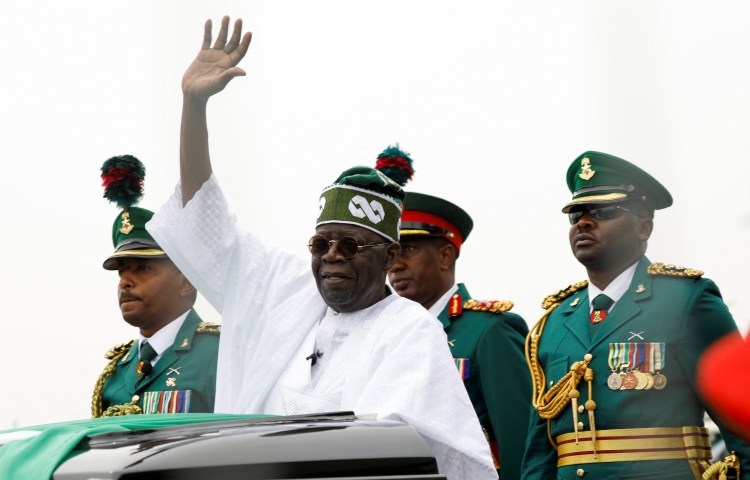
Tracking Tinubu’s tenure: CPJ exposes Nigeria’s media repression reality
In the three years since Nigeria’s President Bola Ahmed Tinubu assumed office on May 29, 2023, journalists have been repeatedly arrested, attacked, and harassed — yet, the government has sought to deny this reality. Vice President Kashim Shettima suggested in February that no journalists have been harassed in Nigeria since Tinubu took office, despite extensive…
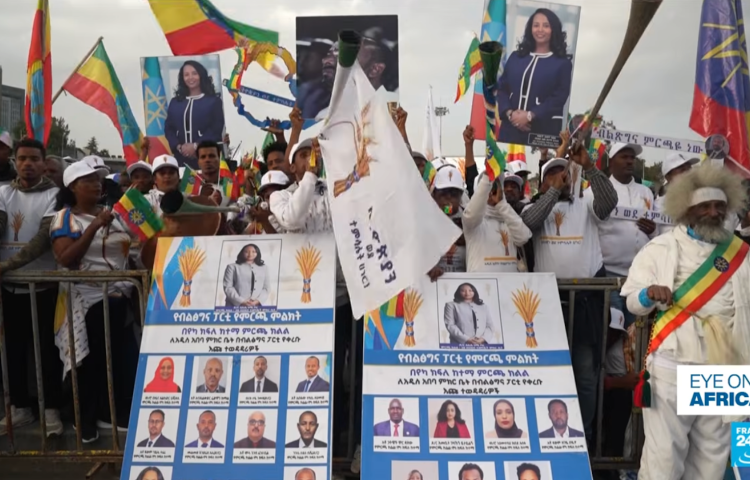
‘Under the shadow of fear’: censorship is Ethiopia’s real election story, journalists say
In the countdown to Ethiopia’s general election, journalist Bewket Abebe flew to the northern border town of Humera, in a rare attempt at on-the-ground reporting ahead of the June 1 vote. Bewket, chief editor of The Reporter Magazine, was scheduled to meet the administrator of the contested territory, which is claimed by both Tigray and…