Angolan journalist harassed, illegally detained for 4 days for protest coverage
New York, April 17, 2026—The Committee to Protect Journalists calls on Angolan authorities to investigate the harassment of Folha 8 reporter Hermenegildo Caculo, who was illegally detained for almost four days for attempting to cover a protest last week — the third time he was arrested while reporting on demonstrations in less than a year….
‘I literally felt naked’: Angolan journalist Teixeira Cândido targeted with Predator spyware
Angolan journalist and lawyer Teixeira Cândido wants to know who targeted him with spyware, and he wants justice. “First and foremost, we must seek to find out who the entities are that have acquired these spyware tools,” Cândido told CPJ, as findings published by Amnesty International’s Security Lab show that a malicious link sent in…

CPJ, partners urge Angola to amend draft law on false information
The Committee to Protect Journalists and 37 other media and human rights groups have written to the Angolan Ministry of Telecommunications, Information Technologies, and Media, urging amendments to the draft law on the Dissemination of False Information on the Internet, to ensure it aligns with Angola’s constitutional protections for freedom of expression and with the international and regional…
CPJ, partners call on Angola to commit to press freedom during UN human rights review
The Committee to Protect Journalists and two Angola-based media rights organizations have made a joint submission to the United Nations Human Rights Council, calling on authorities in the southern African nation to improve its record on ensuring journalists’ safety and press freedom. The submission, dated July 16, 2024, was made ahead of Angola’s January 2025…
Angola journalist William Tonet’s home invaded by gunman as defamation case continues
New York, May 17, 2024 — Angolan authorities should credibly investigate a break-in at the home of prominent journalist William Tonet and drop the criminal defamation charges he faces, the Committee to Protect Journalists said Friday. A man armed with a pistol broke into Tonet’s home in the capital, Luanda, at around 4 a.m. on…
CPJ: Angola’s proposed national security law threatens press freedom, puts journalists at risk
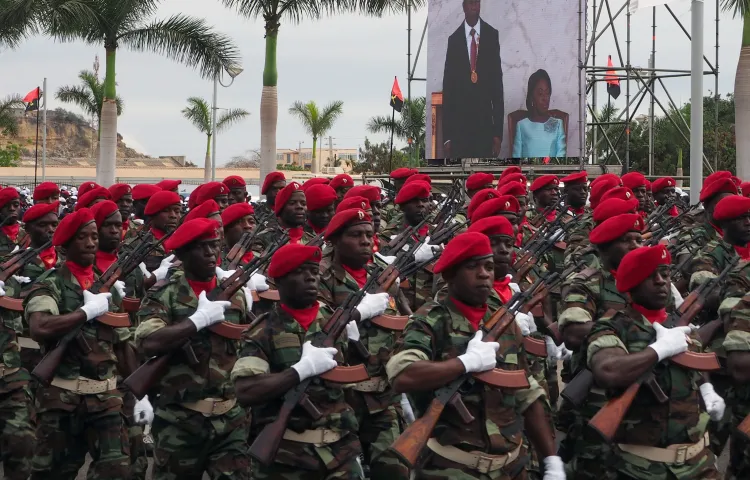
New York, April 1, 2024–Angola’s proposed national security law could hinder the public’s right to information and severely undermine press freedom, further exposing journalists to harassment, intimidation, and censorship by authorities, the Committee to Protect Journalists said on Monday. The National Security Bill, which critics say threatens Angola’s democracy and could turn the country into…
CPJ calls on Angolan authorities to release journalist Carlos Alberto
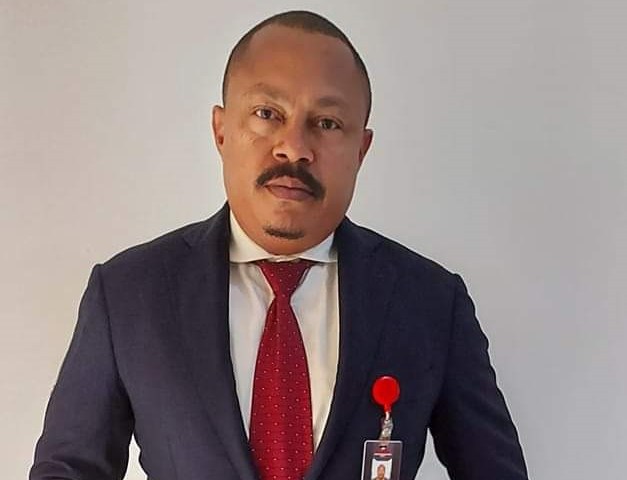
New York, October 6, 2023—The Committee to Protect Journalists called on Angolan authorities to immediately release journalist Carlos Alberto, who was taken into custody on September 29 to serve a three-year prison sentence for criminal defamation, injurious denunciation, and violating press freedom. A team of 15 Criminal Investigation Service officers arrested Alberto, editor of the…
Angolan editor Daniel Frederico faces criminal defamation charges
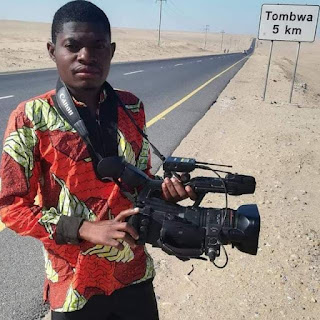
Nairobi, October 3, 2023—Authorities in Angola must drop charges of criminal defamation and insult against journalist Daniel Frederico and stop criminalizing his reporting, the Committee to Protect Journalists said on Tuesday. Last week, a district court in the Angolan capital Luanda summoned Frederico, editor of news portal Reporter Angola who publishes under the pen name…
Angolan authorities charge journalist with criminal defamation over corruption report
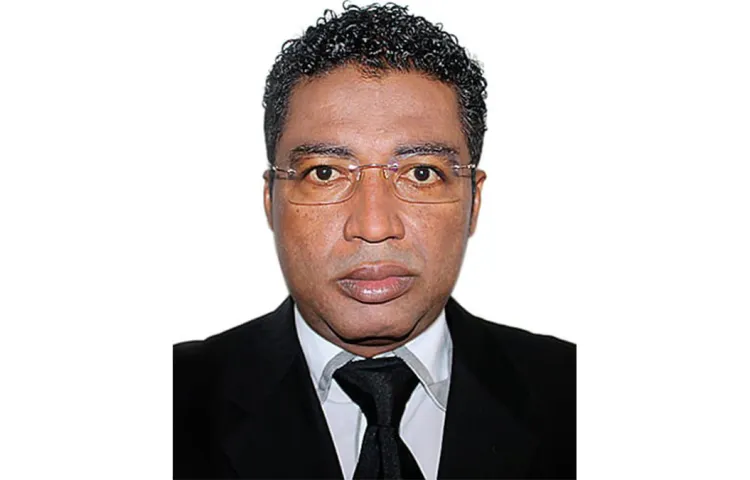
New York, September 20, 2023—Prosecutors should drop the criminal defamation, insult, and forgery charges against Angolan journalist Liberato Furtado Pereira and stop retaliating against the journalist for his public interest reporting, the Committee to Protect Journalists said Wednesday. Furtado, a reporter for privately owned Radio Luanda, is expected to appear before the district court in…
Angolan outlet Camunda News suspends operations indefinitely after police harassment
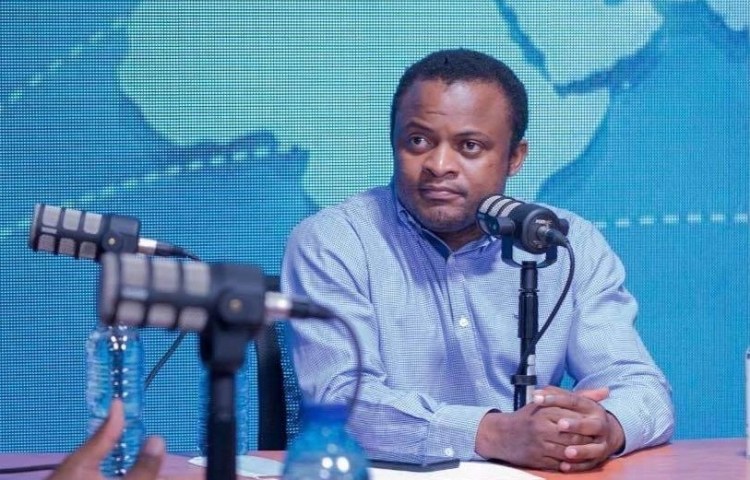
New York, March 17, 2023—Angolan authorities should stop harassing the privately owned Camunda News website and ensure that members of the press can work freely, the Committee to Protect Journalists said Friday. On Wednesday, March 15, the outlet suspended its operations indefinitely, according to media reports and the outlet’s owner, David Boio, who spoke to…