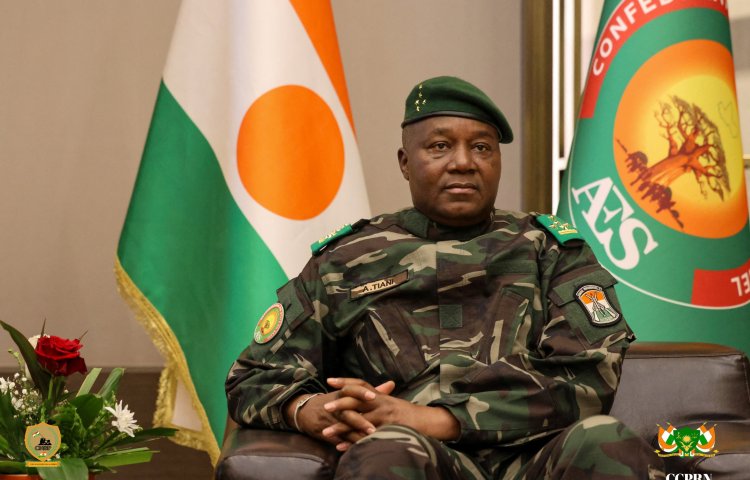
Niger suspends 9 French media outlets for alleged public order threat
Dakar, May 15, 2026—The Committee to Protect Journalists calls on authorities in Niger to reverse the suspension of nine France-based news outlets and to release all four journalists jailed since last year. The affected outlets are state-funded broadcasters France 24 and Radio France Internationale (RFI), Agence France-Presse (AFP) news agency, TV5Monde network, the pan-African weekly…

3 detained Burkina Faso journalists appear in videos wearing military uniforms
Dakar, April 4, 2025—The Committee to Protect Journalists calls on authorities in Burkina Faso to release recently detained journalists Guézouma Sanogo, Boukari Ouoba, and Luc Pagbelguem after they appeared in military uniform in videos posted on social media. “The video showing detained Burkinabe journalists Guézouma Sanogo, Boukari Ouoba, and Luc Pagbelguem wearing military uniforms reinforces…
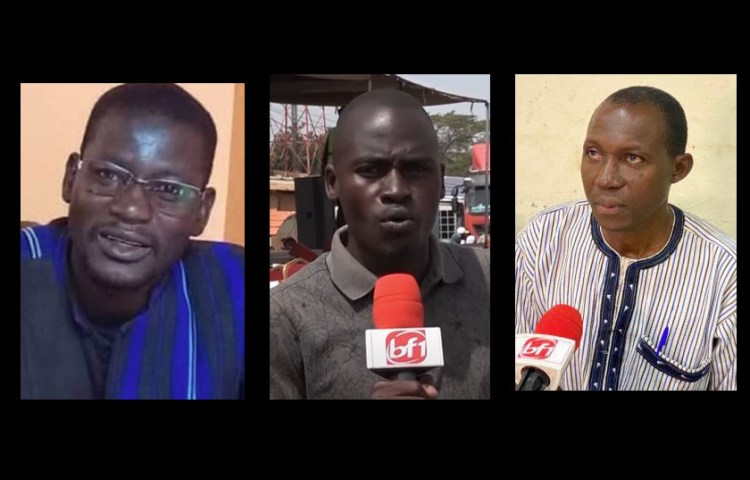
In Burkina Faso, 3 journalists missing after media association condemns kidnaps
Dakar, March 26, 2025—The Committee to Protect Journalists calls on authorities in Burkina Faso to urgently disclose the whereabouts of journalists Guézouma Sanogo, Boukari Ouoba, and Luc Pagbelguem, who were arrested on Monday, and release them unconditionally. Intelligence officers took the Association of Burkinabe Journalists (ABJ) president Sanogo and vice-president Ouoba to an unknown location…
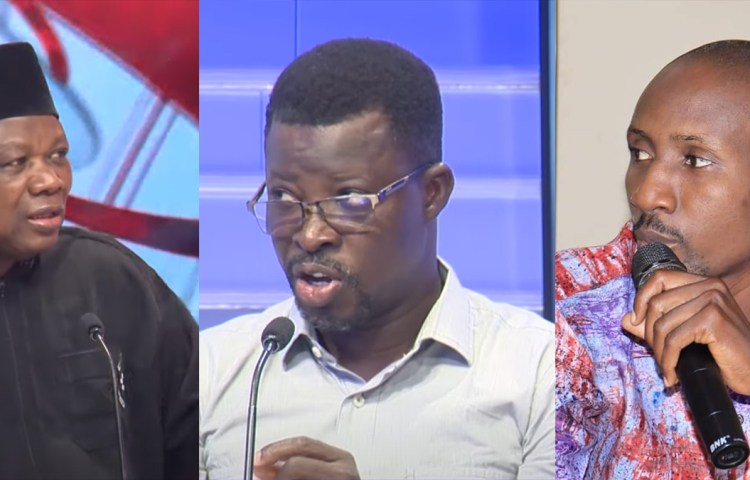
Burkina Faso confirms conscription of 3 journalists, 1 still missing
New York, October 25, 2024—The Committee to Protect Journalists is alarmed by the forced conscription of journalists Serge Atiana Oulon, Adama Bayala, and Kalifara Séré, who went missing in June, and calls for them to be immediately returned home. “It is outrageous and chilling that Burkinabe authorities feel it is acceptable to take journalists from…
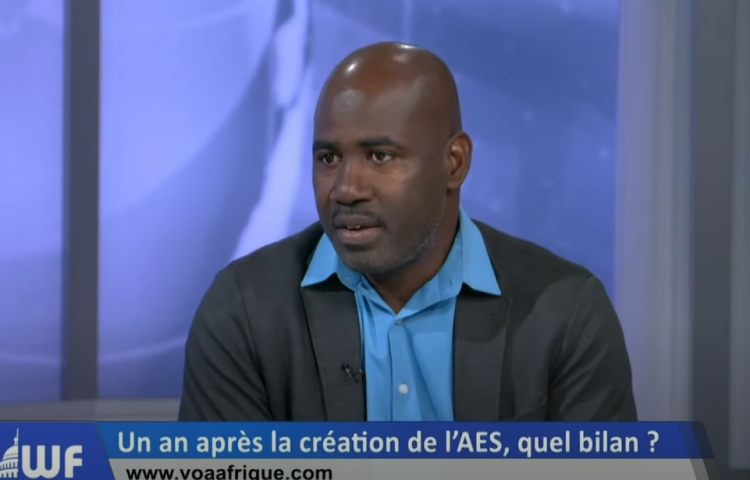
Authorities suspend Voice of America, extending censorship trend in Burkina Faso
Dakar, October 9, 2024—The Committee to Protect Journalists calls on the Burkinabe authorities to lift the suspension of the U.S. Congress-funded broadcaster Voice of America (VOA), which is the latest outlet to be censored for discussing insecurity in the Sahel region. “Instead of seeking to constrain the media available to people in their country, Burkinabe…
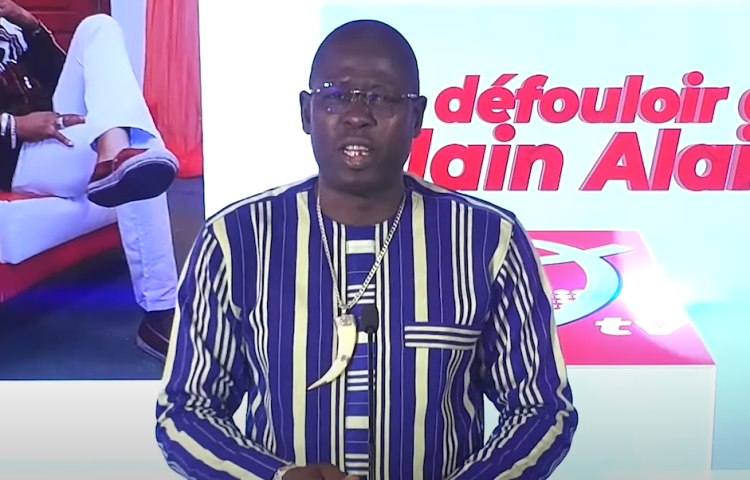
Burkina Faso columnist Alain Traoré taken by armed men in masks
Dakar, July 16, 2024— Burkinabe authorities should immediately and comprehensively investigate the disappearance of columnist Alain Traoré after armed men in masks claiming to be agents of the National Intelligence Agency (ANR) took Traoré, a satirical columnist for the private radio station Omega, from his home in the capital of Ouagadougou on July 13. Three other journalists—Serge Atiana Oulon,…
3 journalists disappear, 3 media outlets suspended in Burkina Faso
Dakar, July 3, 2024—The Burkinabe authorities must do everything possible to find and ensure the safety of missing journalists Serge Atiana Oulon, Kalifara Séré, and Adama Bayala, and refrain from censoring the media, the Committee to Protect Journalists said Wednesday. At least three Burkinabe journalists in the capital, Ouagadougou, have separately disappeared under suspicious circumstances…
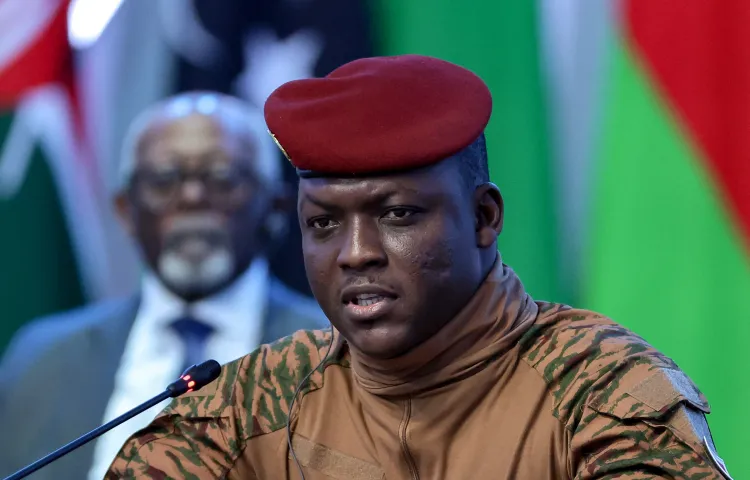
Burkina Faso’s media regulator suspends BBC Africa and Voice of America
Dakar, 26 April 2024– The Burkinabe authorities should immediately lift the suspension of BBC Africa and Voice of America, and reverse the directive seeking to control local outlets’ coverage, said the Committee to Protect Journalists on Friday. On Thursday, the Superior Council of Communication (CSC), Burkina Faso’s media regulator, suspended Britain’s publicly-funded BBC Afrique and…
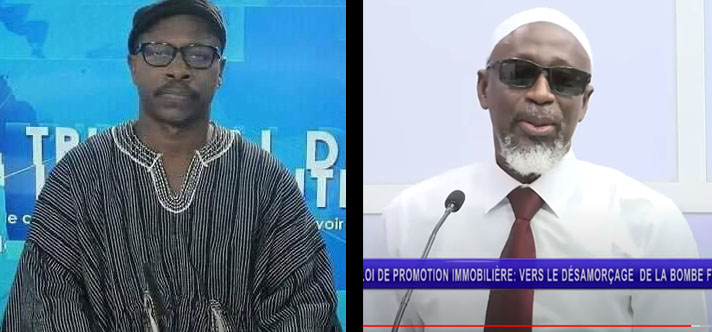
Burkina Faso conscripts 2 journalists critical of junta, another fears kidnapping
Dakar, November 22, 2023—Burkinabe authorities must revoke the military conscription of journalists Issaka Lingani and Yacouba Ladji Bama and ensure the safety of journalist Boureima Ouedraogo in the face of kidnap threats, the Committee to Protect Journalists said on Wednesday. In early November, the army ordered Lingani and Bama to report for military training and…
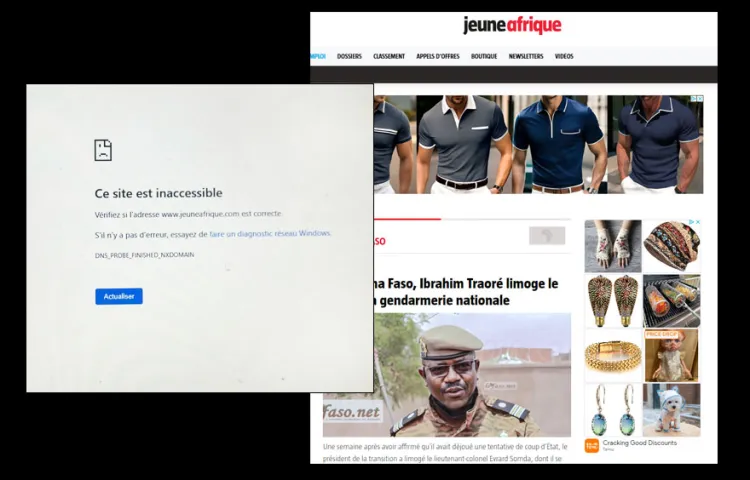
CPJ calls for Burkina Faso to reverse suspension of Jeune Afrique
Dakar, October 4, 2023—The Committee to Protect Journalists on Wednesday called on Burkinabè authorities to lift their suspension of the French news magazine Jeune Afrique, reverse their suspension of other media outlets, and ensure journalists can work in the West African country without fear of reprisal. On September 25, the government issued an order, reviewed…