
Cameroon police probe journalists investigating secret US migrant deportations, seize equipment
Dakar, February 23, 2026—The Committee to Protect Journalists calls on Cameroonian police to drop a criminal trespass investigation into four journalists who were detained for five hours and had their equipment seized last week, three of whom were reporting for the Associated Press (AP) on the secret deportation of African migrants from the United States….
Cameroonian journalist jailed in child kidnapping trial
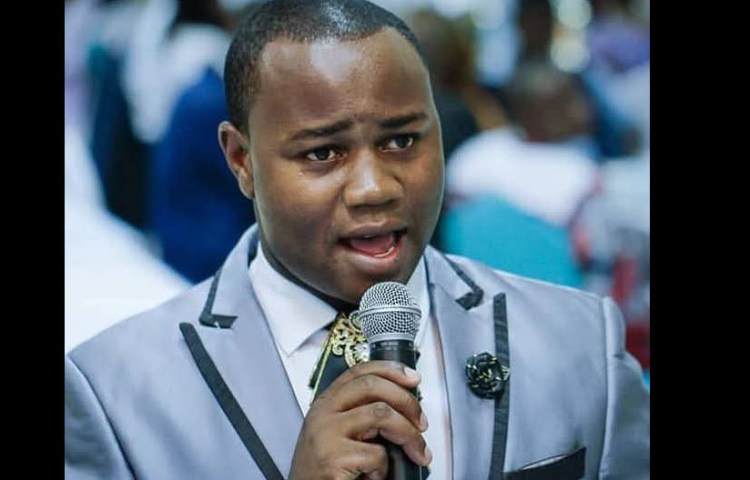
The Committee to Protect Journalists calls on Cameroonian authorities to immediately release journalist Brand Kamga, who was arrested on January 19 and charged with attempting to abduct the child of a woman he was investigating. Kamga, editor of the online channel Naja TV, phoned and met with the plaintiff, Annette Josiane Wandji Njikeu, to investigate a tip-off alleging…
Post-election Cameroon: ‘The regime considers the press to be its last enemy’
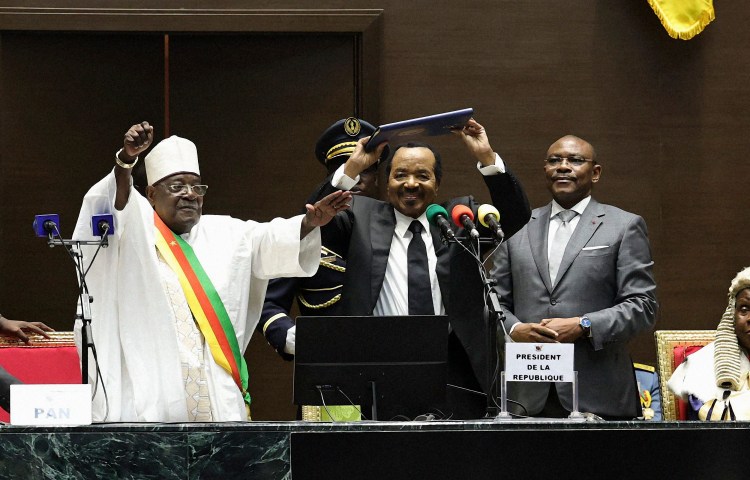
In his campaign to win an eighth term, Cameroonian President Paul Biya pledged to “strengthen measures to protect freedom of expression and journalists” in one of Africa’s most dangerous countries for the press. But six journalists who spoke to CPJ after October’s contested election — which opposition leader Issa Tchiroma Bakary claimed to have won,…
CPJ, Freedom House urge US to maintain Cameroon’s ineligibility for trade benefits
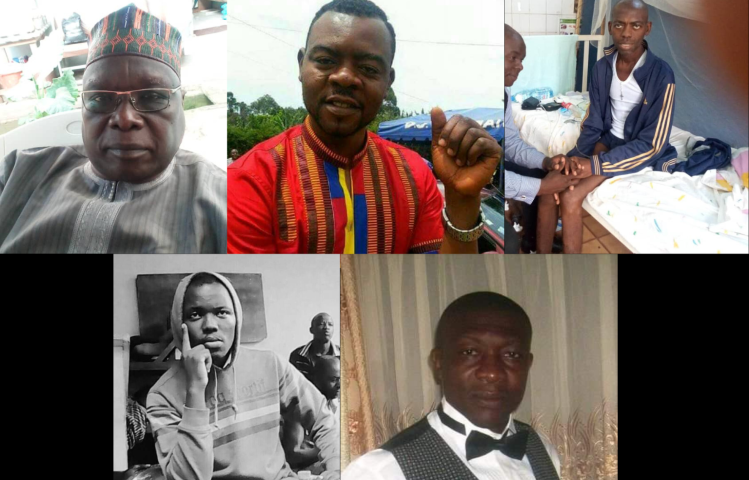
The Committee to Protect Journalists and Freedom House called on the U.S. government to maintain Cameroon’s ineligibility for preferential trade benefits ahead of its July 18 African Growth and Opportunity Act (AGOA) review hearing, citing Cameroon’s continued repression and imprisonment of journalists. Cameroon is consistently among Africa’s worst jailers of journalists, with five journalists — Amadou Vamoulke, Manch Bibixy, Thomas Awah…

2 Cameroonian journalists attacked while reporting on businessman praised by president
Dakar, February 21, 2025—The Committee to Protect Journalists calls on the Cameroonian authorities to investigate and hold accountable those who attacked Equinoxe TV journalists Joseph Abena Abena and Augustin Ndongo while they were reporting in a village in Cameroon’s South Region on February 13. “The attack on Joseph Abena Abena and Augustin Ndongo is yet…

VPNs, training, and mental health workshops: How CPJ helped journalist safety in 2024
Haitian journalist Jean Marc Jean was covering an anti-government protest in Port-au-Prince in February 2024 when he was struck in the face by a gas canister fired by police into the crowd. One of at least five journalists injured while covering civil unrest in the country that month, Jean arrived at the hospital with a…

Cameroonian journalist Nsoyuka Guy-Bruno Maimo detained, beaten for covering protest
Dakar, November 12, 2024—The Committee to Protect Journalists calls on Cameroonian authorities to investigate and hold accountable those responsible for detaining and violently abusing Nsoyuka Guy-Bruno Maimo, a reporter with the privately owned Volcanic Times newspaper, while he covered a demonstration on October 24. “The members of Cameroon’s gendarmerie responsible for detaining, beating, and subjecting…

Cameroonian journalist Thierry Patrick Ondoua detained on insult charges
Dakar, October 24, 2024—The Committee to Protect Journalists calls on Cameroonian authorities to immediately release journalist Thierry Patrick Ondoua, publishing director of the privately owned Le Point Hebdo bimonthly newspaper, after he was arrested on Tuesday in connection with a report on the minister of housing’s alleged mismanagement, and to drop all charges against him. “Journalist Thierry…
Cameroon bans reporting on President Paul Biya’s health, whereabouts
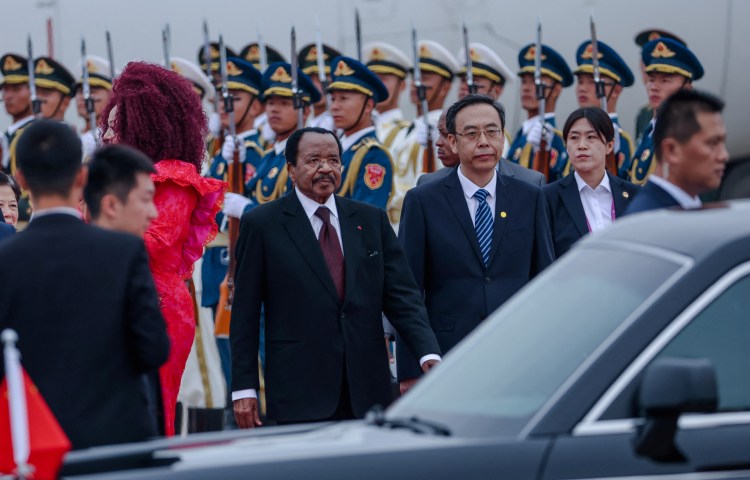
New York, October 10, 2024—The Cameroonian government should end its threats to sanction journalists who report on the condition and whereabouts of President Paul Biya, 91, who has not been seen publicly for over a month and has missed scheduled international engagements, the Committee to Protect Journalists said on Thursday. “The Cameroonian government should simply put the rumors to rest by arranging…
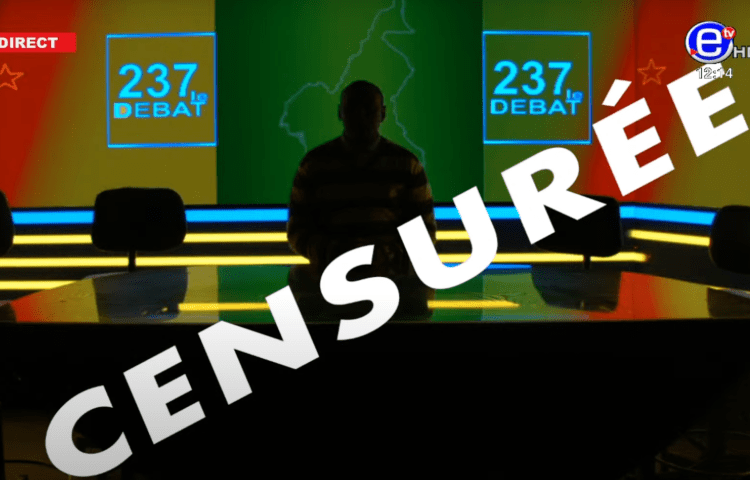
Cameroon ratchets up media censorship ahead of 2025 election
After a month of seeing an empty television studio with the word “censored” splashed across the screen, Cameroonians are finally able to watch Équinoxe TV’s flagship Sunday politics show “Droit de Réponse” again. The privately owned station fell foul of Cameroon’s regulatory National Communication Council (NCC), which judged it to have harmed the reputations of…