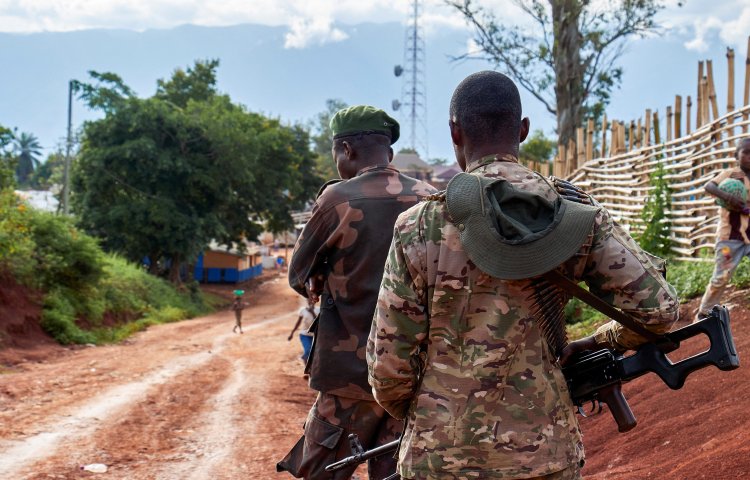
Drones strike radio station in rebel-held DRC, with threat to kill next time
The eastern Democratic Republic of the Congo has joined a growing number of conflicts where drones are being used to target journalists, as two strikes hit a community radio station, followed by calls and messages threatening further attacks over its reporting on militia abuses. The bombing of Radio Tuungane in South Kivu province’s rebel-controlled Minembwe…
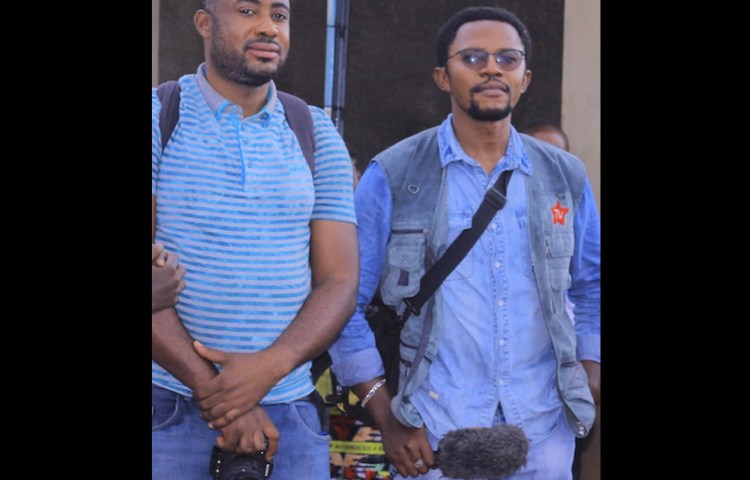
DRC journalist detained since January, another in hiding after mining impact report
Kinshasa, May 13, 2026—The Committee to Protect Journalists calls on authorities in the Democratic Republic of the Congo to release journalist Stéphane Shisso, who was arrested in January after reporting on erosion caused by mining, and to ensure the safety of his colleague Guelord Shamba, who is in hiding. “It is a grave injustice that…
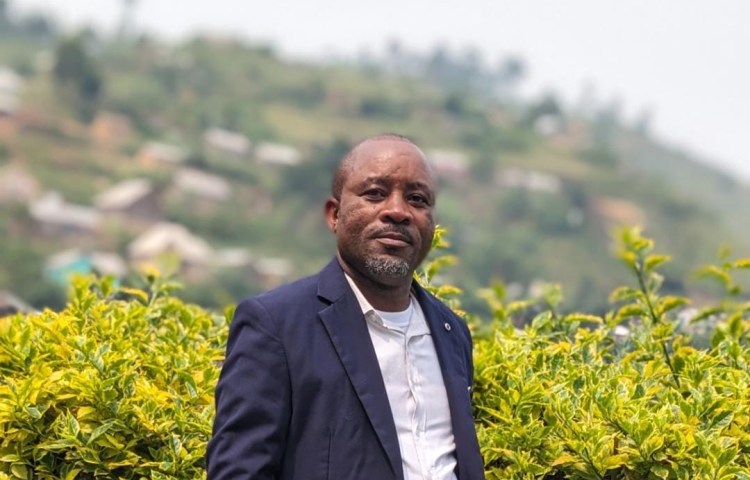
M23 rebels detain DRC journalist Espoir Mbata over WhatsApp post
Kinshasa, April 1, 2026—The Committee to Protect Journalists calls for the release of Congolese community radio director Espoir Mbata, who was detained by M23 rebels on Sunday over his WhatsApp post about their potential withdrawal from an eastern town. “Working conditions have becoming increasingly hazardous for journalists in the eastern Democratic Republic of the…
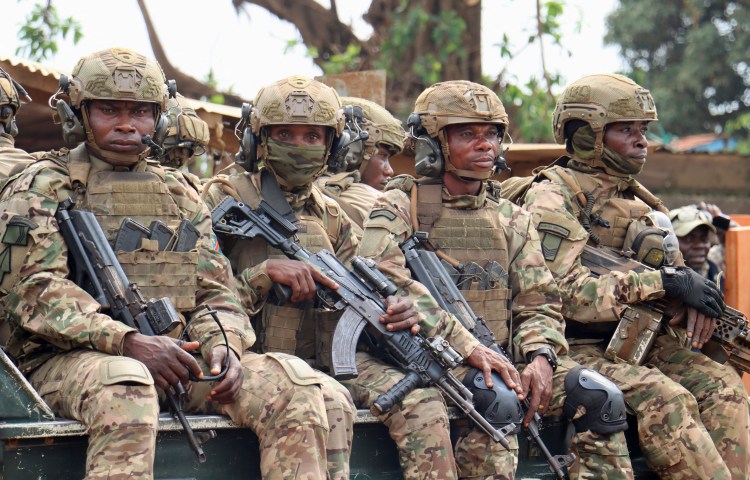
Journalists in eastern DRC detained over war coverage, broadcasters occupied
Journalists in eastern Democratic Republic of the Congo face constant danger as warring parties seek to control information. In January, February, and early March, government forces and rebel groups both detained journalists over their reporting, including several for simply conducting interviews, while the rebel forces that control parts of the country’s eastern provinces held military positions in…
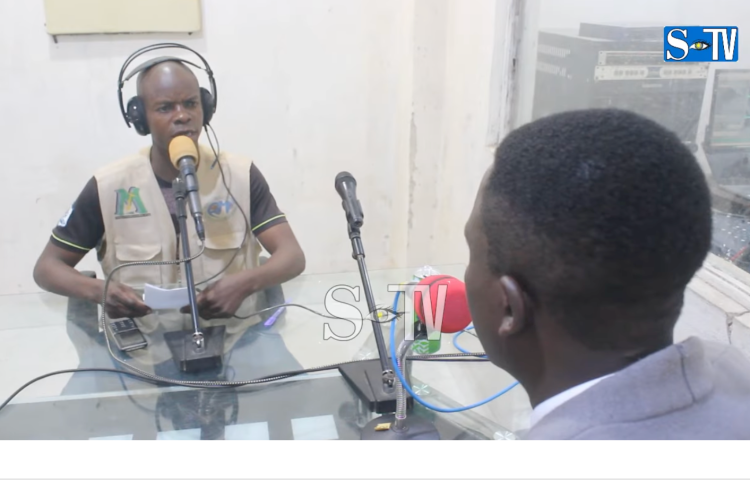
2 DRC journalists detained for war reporting in restive east
Kinshasa, January 29, 2026—The Committee to Protect Journalists urges authorities in the Democratic Republic of the Congo to immediately release Thomson Unji Batangalwa, who was detained on January 22 in the eastern city of Baraka, the latest journalist to be harassed for reporting on the fluid security situation. “Information about the war in eastern DRC…
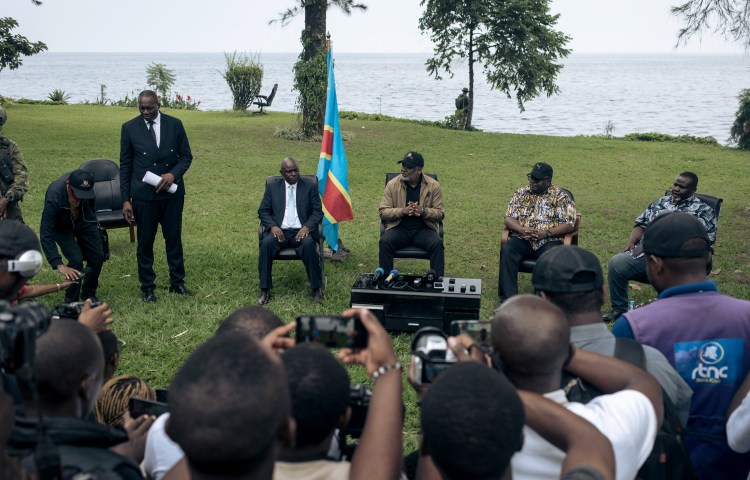
Threats, exile, censorship: DRC journalists besieged in year of rebel rule
For Congolese journalist Prince Cikala Mihigo, the first day of 2026 brought a brutal reminder of the risks of reporting: rebel soldiers beat and kicked him while questioning him about his work, leaving his face swollen and raw. Cikala was assaulted at a checkpoint in the Democratic Republic of the Congo’s eastern city of Bukavu,…
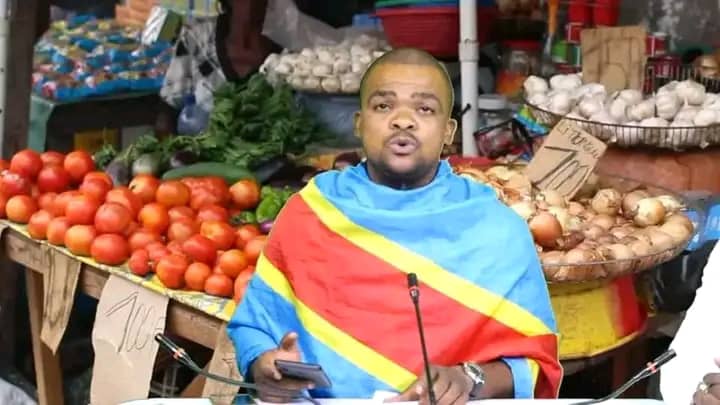
Journalist John Kabamba missing after interviewing rebel in eastern DRC
Kinshasa, December 23, 2025—The Committee to Protect Journalists calls on authorities in the Democratic Republic of the Congo to urgently ensure the safety and freedom of television host John Kabamba, who went missing from Kinshasa, the capital, on December 14, and to reverse his 90-day suspension from media activities. “The disappearance of journalist John Kabamba…

DRC journalist Ali Male threatened, detained over report criticizing army colonel
Kinshasa, December 10, 2025—The Committee to Protect Journalists calls on authorities in the Democratic Republic of the Congo to release Ali Male, a reporter with the privately owned En Quete News site and Kinshasa-based Kin24 TV, who was arrested on December 8 over a report about an army colonel. “DRC authorities must release Ali and…
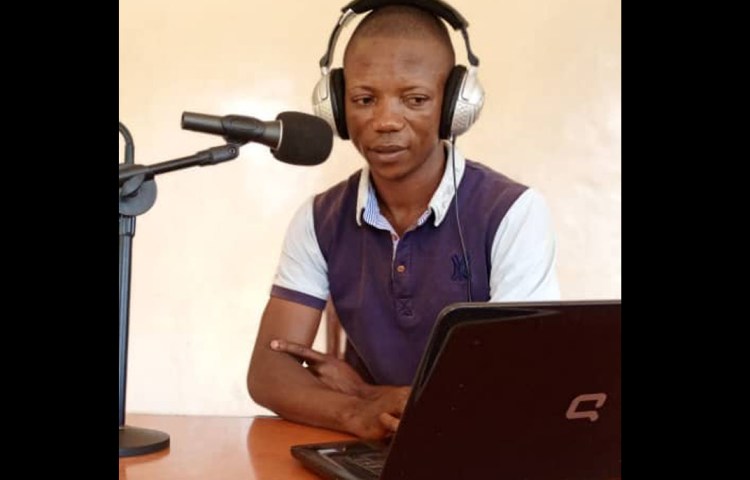
DRC journalist Michael Tenende threatened by mayor over governance coverage
Kinshasa, November 24, 2025—The Committee to Protect Journalists calls on authorities in the Democratic Republic of the Congo to ensure the safety of Michael Tenende, who was threatened with arrest by a mayor after his reporting criticized her governance — the second time Anne-Marie Tshiabu has made such threats against a journalist. “Kabinda mayor Anne-Marie…

Eastern DRC journalist in rebel custody for more than a month
Kinshasa, October 30, 2025—The M23 and Congo River Alliance (AFC) rebel groups must ensure the immediate and unconditional release of journalist Ricardo Olenga, detained for over a month in the eastern city of Goma, in North Kivu, the Committee to Protect Journalists said Thursday. On September 19, intelligence agents with the M23 and AFC rebel…