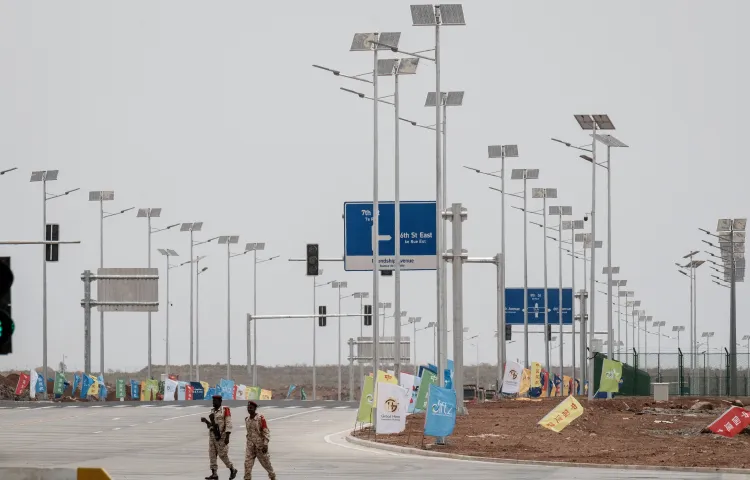
Djibouti journalist Charmarke Saïd Darar held for weeks, 2 other journalists in hiding
New York, August 26, 2020 — Authorities in Djibouti should cease intimidating and arresting journalists working with the La Voix de Djibouti broadcaster, and let them report freely, the Committee to Protect Journalists said today. On July 15, police in Balbala, a suburb of Djibouti City, the capital, arrested Charmarke Saïd Darar, a reporter with…
Un journaliste se cache, deux autres sont détenus pour avoir couvert des manifestations à Djibouti
New York, le 17 juin 2020 — Les autorités de Djibouti doivent cesser de harceler les journalistes travaillant pour le radiodiffuseur La Voix de Djibouti et s’assurer que la presse puisse couvrir les affaires d’intérêt public sans intimidation, a déclaré aujourd’hui le Comité pour la protection des journalistes. Le 5 juin, la police a arrêté…
One journalist in hiding, 2 others detained over protest coverage in Djibouti
New York, June 17, 2020 — Authorities in Djibouti should stop harassing journalists working with the La Voix de Djibouti broadcaster, and ensure that the press can cover matters of public interest without intimidation, the Committee to Protect Journalists said today. On June 5, police in the southern city of Ali Sabieh arrested Kassim Nour…
Djibouti expels BBC journalists ahead of elections
Nairobi, April 6, 2016-Djibouti should ensure that journalists can report on presidential elections without harassment or fear of expulsion, the Committee to Protect Journalists said today, condemning Djiboutian authorities’ recent expulsion of a team of BBC journalists from the country.
Journalists arrested without charge in Djibouti
New York, January 15, 2016 – Officials in Djibouti should immediately release two journalists arrested this week, the Committee to Protect Journalists said today. Police arrested Kadar Abdi Ibrahim on Thursday, and arrested Mohamed Ibrahim Waiss on Monday, but have yet to charge either, according to the Facebook page of a local publication.
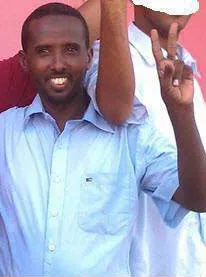
Police arrest Djibouti journalist covering demonstration
Nairobi, August 12, 2014–The Committee to Protect Journalists calls for the release of Mohamed Ibrahim Waiss, a radio journalist who was taken into custody on Friday in a suburb of the capital, Djibouti City, and accused of incitement and publishing false news. Police arrested Mohamed, a journalist for the opposition online radio station La Voix…
Djibouti journalist detained for covering demonstration
Police arrested Mohamed Ibrahim, a journalist for the pro-opposition news website and radio station, La Voix de Djibouti (The Voice of Djibouti), on December 12, 2013, while he was covering a protest in the Balbala suburb of the capital, Djibouti City, according to local journalists. The demonstration was staged by women demanding land plots that had…
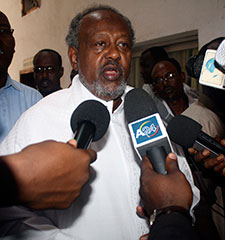
In Djibouti, journalist defiant despite revolving jail door
Online journalist Houssein Ahmed Farah spent more than three months in jail in Djibouti before an appeals court finally released him in November–after his defense requested bail three times, Houssein said. His crime? Officially nothing. “It appears to have been an arbitrary arrest because there is still no evidence on file,” Houssein told me. He…
In Djibouti, reporter detained for a week without charge
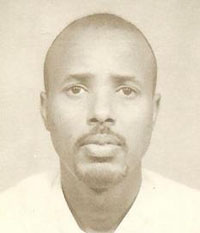
Nairobi, August 15, 2012–Authorities in Djibouti must immediately release a journalist for an opposition news website who has been jailed for a week without charge or access to a lawyer or his family, the Committee to Protect Journalists said today. Two police officers arrested Houssein Ahmed Farah, a contributor to the Europe-based news website La…
Sub-Saharan Africa censors Mideast protests
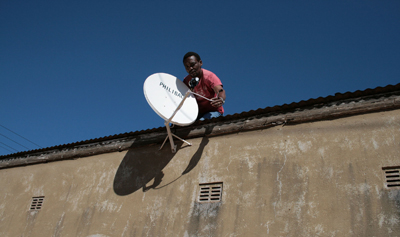
As news of Middle Eastern and North African protests swirl around the globe, satellite television and the Internet prove vital sources of information for Africans as governments fearful of an informed citizenry and a free press such as in Eritrea, Equatorial Guinea, and Zimbabwe impose total news blackouts on the developments.