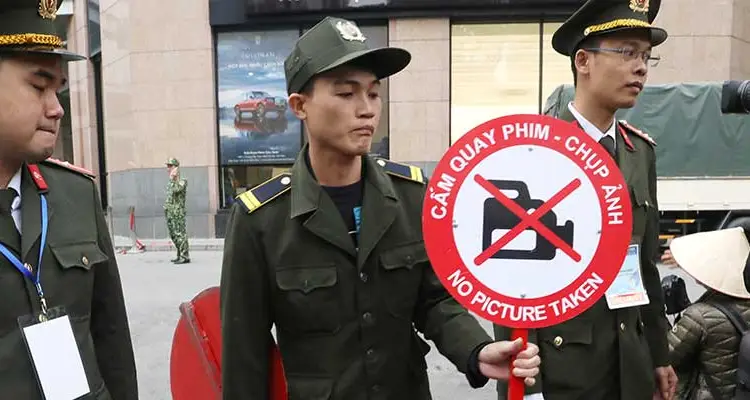
10 Most Censored Countries
Repressive governments use sophisticated digital censorship and surveillance alongside more traditional methods to silence independent media. A special report by the Committee to Protect Journalists. Published September 10, 2019 Eritrea is the world’s most censored country, according to a list compiled by the Committee to Protect Journalists. The list is based on CPJ’s research into the…
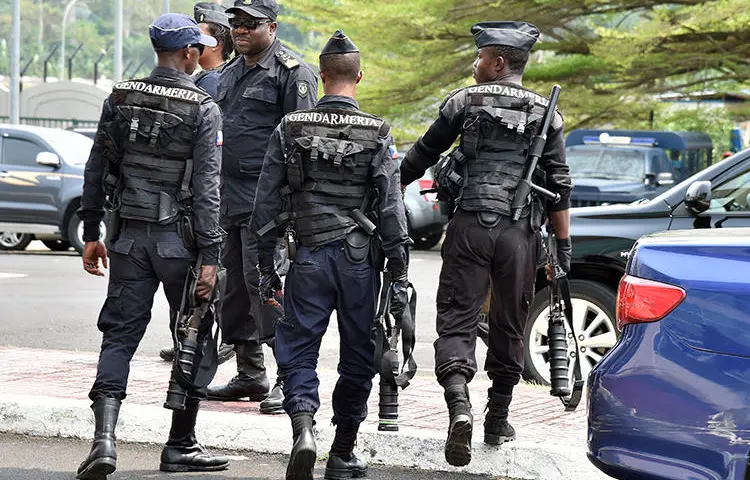
Police hold 2 journalists for 13 days without charge in Equatorial Guinea
On August 27, 2019, police in Bata, in central Equatorial Guinea, arrested and detained presenter Milanio Ncogo and reporter Ruben Dario Bacale, both employees of the privately owned broadcaster Asonga TV, and held them without charge until September 8, according to Ncogo, who spoke to CPJ over messaging app.
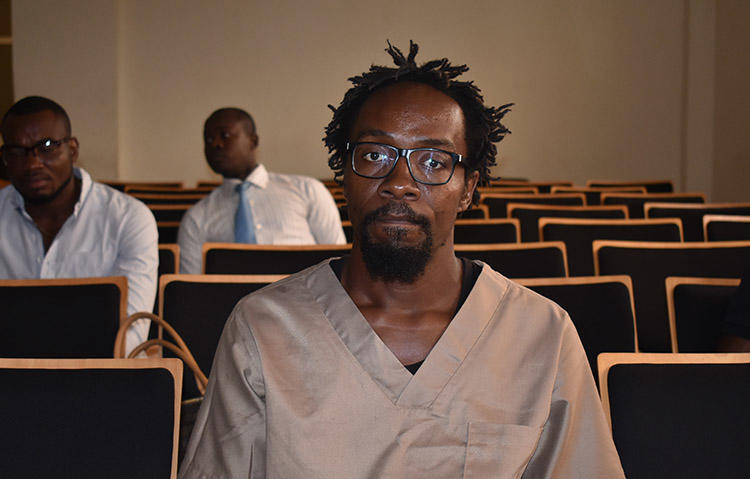
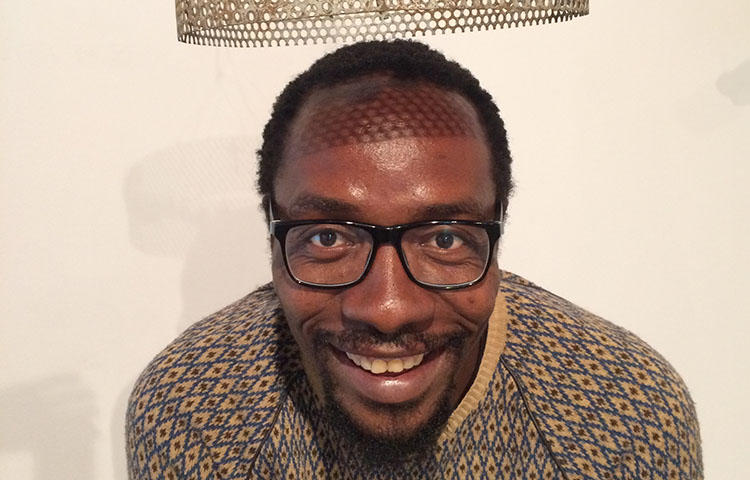
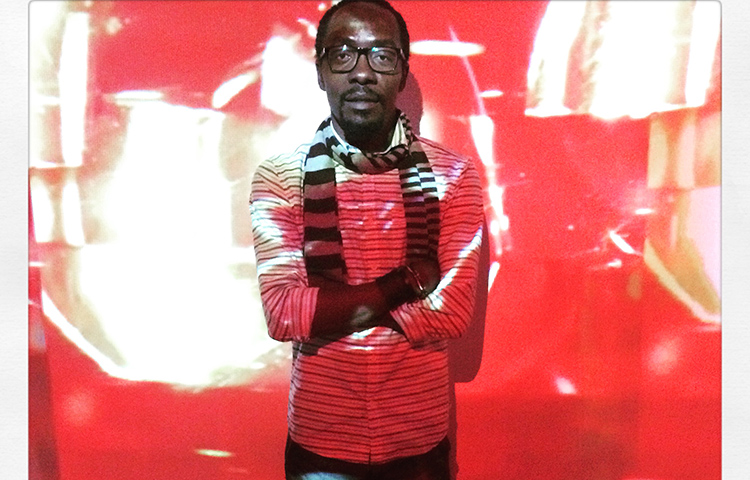
Equatorial Guinea releases from prison journalist Ramón Nsé Esono Ebalé
New York, March 7, 2018–The Committee to Protect Journalists today welcomed news that Equatoguinean cartoonist and blogger Ramón Nsé Esono Ebalé is free from prison after serving more than five months in a Malabo jail on false charges of money laundering and counterfeiting.
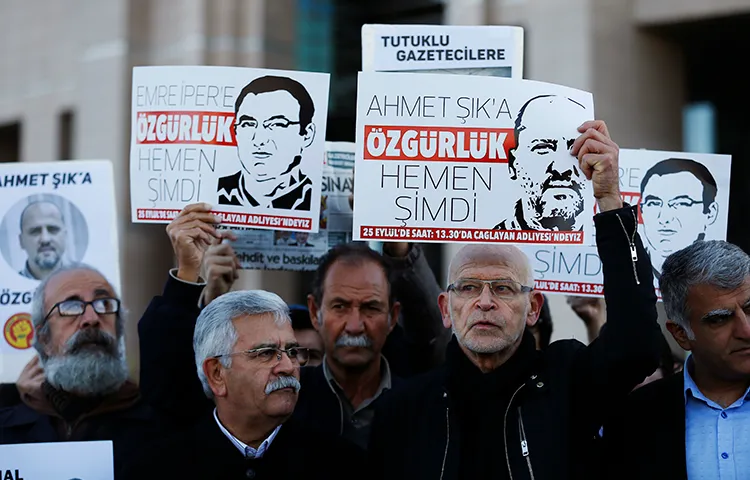
Record number of journalists jailed as Turkey, China, Egypt pay scant price for repression
For the second year in a row, the number of journalists imprisoned for their work hit a historical high, as the U.S. and other Western powers failed to pressure the world’s worst jailers–Turkey, China, and Egypt–into improving the bleak climate for press freedom. A CPJ special report by Elana Beiser
CPJ condemns Equatorial Guinea’s decision to ban state media coverage of Gbagbo trial
New York, February 2, 2016–The Committee to Protect Journalists strongly condemns the decision of the government in Equatorial Guinea to ban state television from covering the trial of former Ivory Coast leader Laurent Gbagbo, which opened at the International Criminal Court (ICC) in The Hague on January 28. “We’ve been forbidden from airing Laurent Gbagbo’s…

First US-Africa summit short on press freedom, other human rights
Top African and U.S. leaders are meeting next week in Washington in a first-of-its-kind summit focused on African development. But critics argue the summit is flawed in design, overlooking human rights such as freedom of expression and barring civil society actors from bilateral discussions.
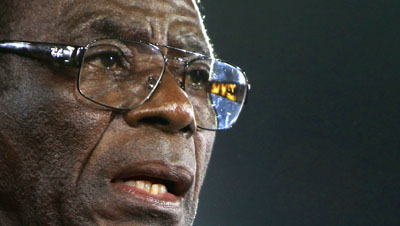
Equatorial Guinea indefinitely suspends radio program
New York, October 23, 2012–Authorities in Equatorial Guinea indefinitely suspended a radio program on a government-controlled outlet during a broadcast on Friday that included criticism of the president of the Supreme Court, according to local journalists and news reports.