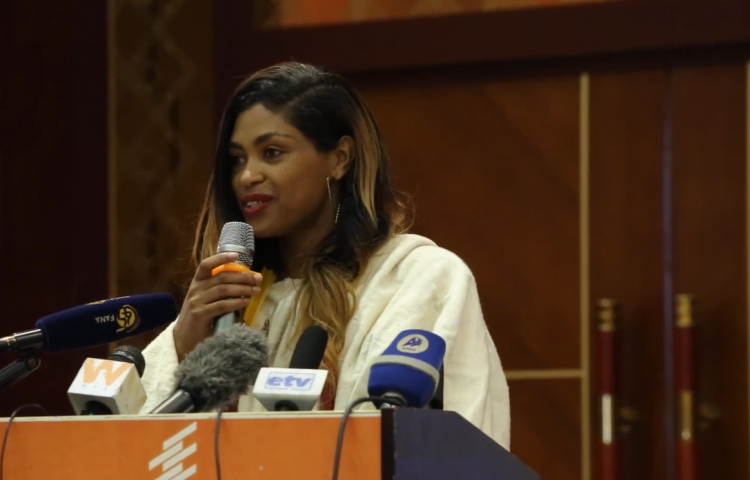
Ethiopian journalist Salsawit Baynesagn detained without charge
New York, June 19, 2026—The Committee to Protect Journalists calls on Ethiopian authorities to immediately release journalist Salsawit Baynesagn or bring her before a court, disclose any charges against her, and ensure that she is not being held in retaliation for her commentary. Her family told CPJ that they suspect her detention is linked to…
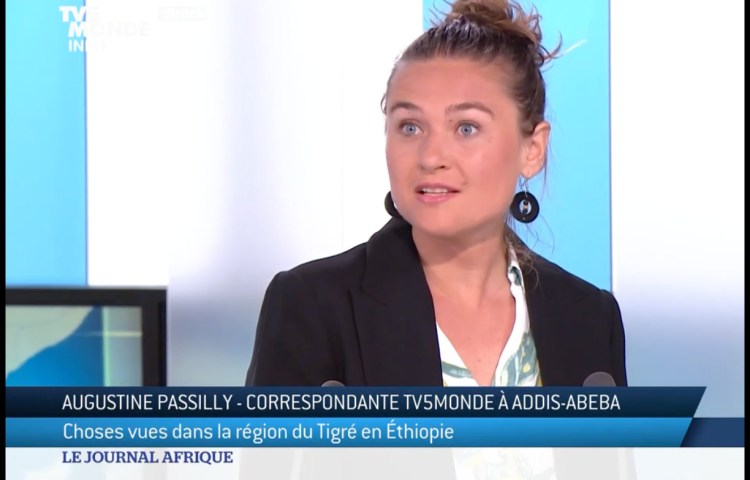
Ethiopia expels French journalist Augustine Passilly after reporting trip to Tigray
New York, June 12, 2026—The Committee to Protect Journalists calls on Ethiopian authorities to reverse the expulsion of French journalist Augustine Passilly following her reporting trip to the northern state of Tigray, where residents spoke out about their fears of a return to war. “Ethiopia’s expulsion of Augustine Passilly is a blatant act of retaliation…
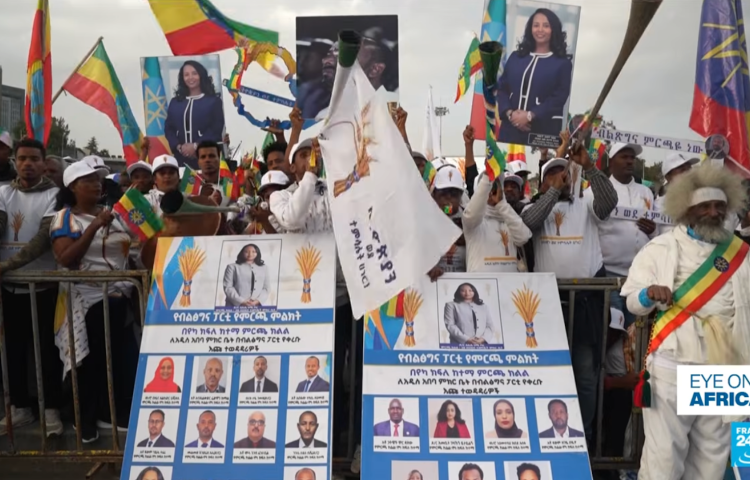
‘Under the shadow of fear’: censorship is Ethiopia’s real election story, journalists say
In the countdown to Ethiopia’s general election, journalist Bewket Abebe flew to the northern border town of Humera, in a rare attempt at on-the-ground reporting ahead of the June 1 vote. Bewket, chief editor of The Reporter Magazine, was scheduled to meet the administrator of the contested territory, which is claimed by both Tigray and…
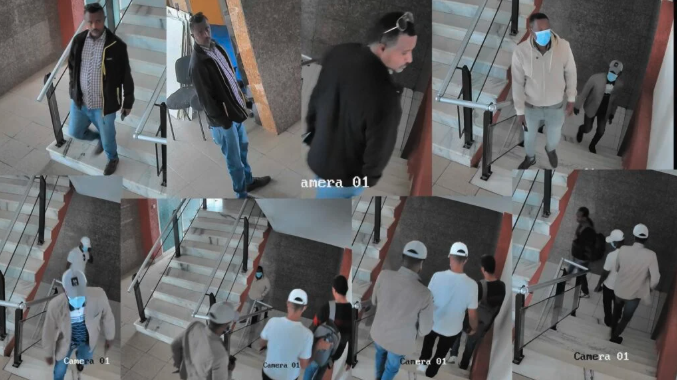
Ethiopian editor seized from Addis Standard newsroom by unidentified men
Nairobi, April 16, 2026—The Committee to Protect Journalists calls on Ethiopian authorities to do everything in their power to locate and free Addis Standard managing editor Million Beyene who was taken by unidentified men from his newsroom in the capital Addis Ababa on Wednesday morning. The outlet’s publisher Jakenn Publishing PLC said in a statement…

Ethiopia revokes Addis Standard’s license amid escalating crackdown on independent media
Nairobi, February 24, 2026—The Committee to Protect Journalists calls on Ethiopian authorities to immediately restore the registration of independent outlet Addis Standard after the Ethiopian Media Authority (EMA) revoked its online media registration certificate effective February 24. “This is not regulation — it is retaliation,” said CPJ Africa Director Angela Quintal. “By weaponizing vague‘national interest’…
Ethiopia revokes Reuters journalists’ accreditation following investigative report
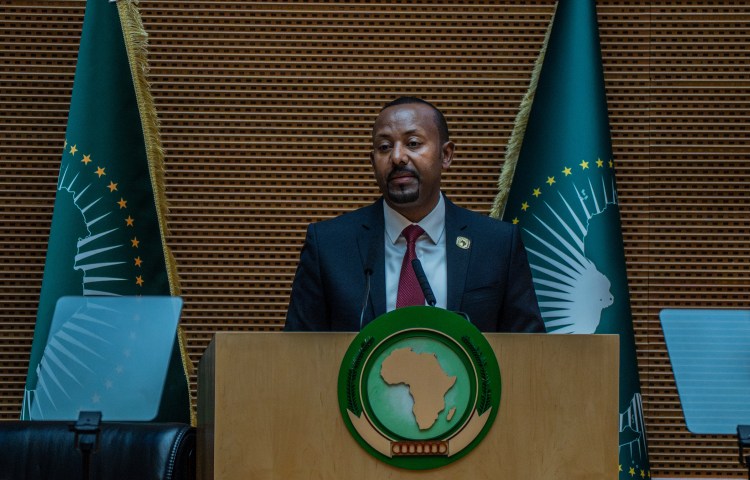
Nairobi, February 16, 2026—The Committee to Protect Journalists calls on Ethiopian authorities to restore the accreditation of three Reuters journalists who were barred from reporting after the news agency published a report alleging that Ethiopia was secretly training forces fighting in neighboring Sudan’s civil war. On February 14, Reuters reported that the Ethiopian Media Authority…

Ethiopian TikTok journalist Eyob Shimelis detained after corruption reporting
Nairobi, December 10, 2025—The Committee to Protect Journalists calls on Ethiopian authorities to immediately release journalist Eyob Shimelis, who has been in detention since December 1 on accusations of spreading false information and defamation. Police arrested Eyob, founder and reporter of TikTok-based Sidama News, which reports on corruption in Ethiopia’s southern Sidama state, at around…
Ethiopian authorities suspend licenses of Deutsche Welle’s local correspondents
Nairobi, October 24, 2025—The Committee to Protect Journalists calls on the Ethiopian Media Authority to immediately lift its license suspension of Deutsche Welle (DW) correspondents operating in the country, and to allow journalists to report freely and without intimidation. “This blatant suspension of Deutsche Welle’s journalists is an outrageous act of censorship and intimidation,” said CPJ Africa Director Angela…
‘Stop filming, or I will shoot’: Ethiopian journalists targeted in Tigray turmoil
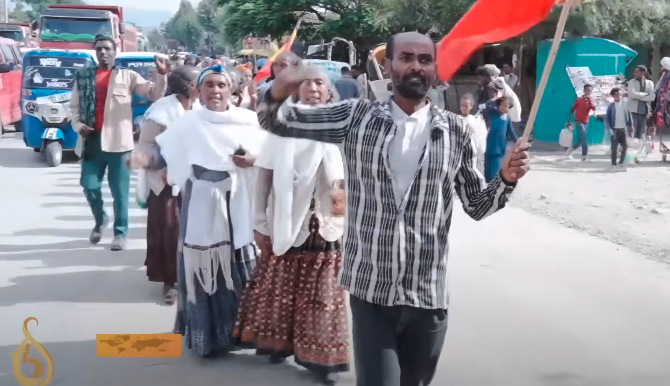
Almost three years after Ethiopia’s civil war ended, Tigray remains tense and dangerous for journalists, who have been shot at, detained, raided, and swept up in a local power struggle that could trigger renewed conflict. Ethiopian foreign minister Gedion Timothewos warned the United Nations this month that in the northern state of Tigray — the…

Ethiopian police detain 2 Sheger FM journalists, force station to delete report
Nairobi, September 5, 2025—The Committee to Protect Journalists calls on Ethiopian authorities to unconditionally release Sheger FM radio editor Tigist Zerihun and reporter Mintamir Tsegaw, who were taken into custody on September 3 following the forced removal of Mintamir’s August 29 report on widespread protests over poor working conditions for healthcare workers, according to multiple news outlets. The Ethiopian Media Authority—the regulatory body responsible for…