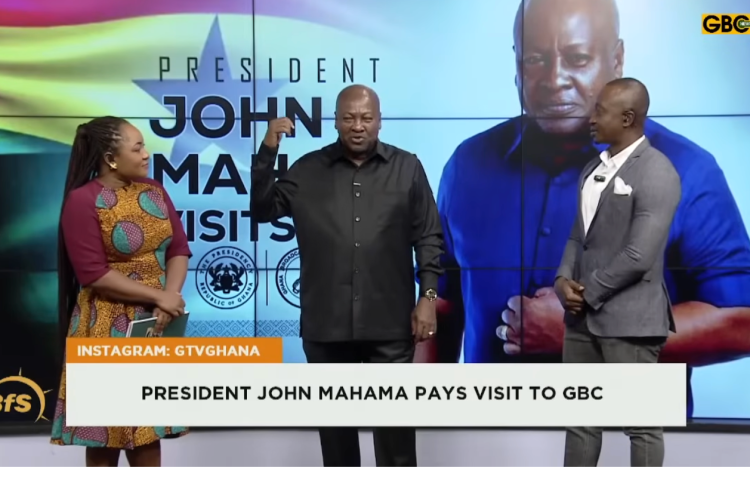
Under Ghana’s President Mahama, near-total impunity for attacks on 17 journalists
When Ghana’s President John Dramani Mahama took office in January 2025, pledging to restore “an era of true media freedom,” journalists had reason to hope that attacks on the press would be taken more seriously than before. But during Mahama’s tenure, CPJ has documented eight separate incidents in which at least 17 journalists were attacked…
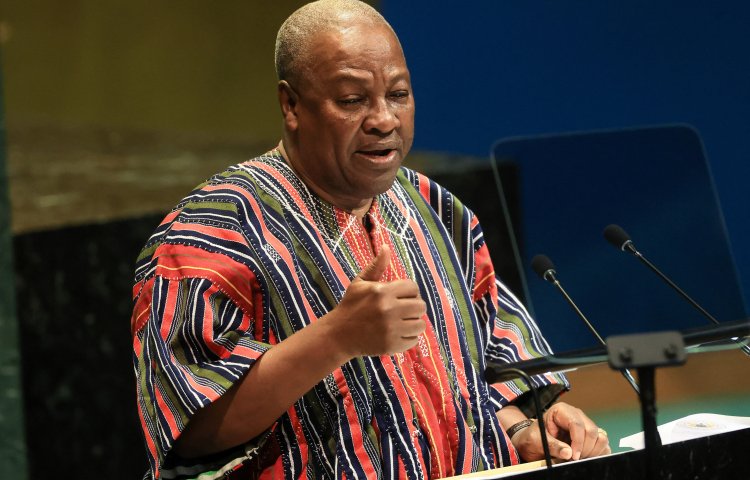
Ghana court issues gag order, fines reporter for requesting comment
Abuja, January 21, 2026—The Committee to Protect Journalists calls on Ghanaian authorities to protect public interest reporting after a court fined Innocent Samuel Appiah for asking a businesswoman to comment on allegations of fraud as he was investigating her activities. Justice Nana Brew ruled that freelance journalist Appiah had violated the privacy of Cynthia Adjei,…
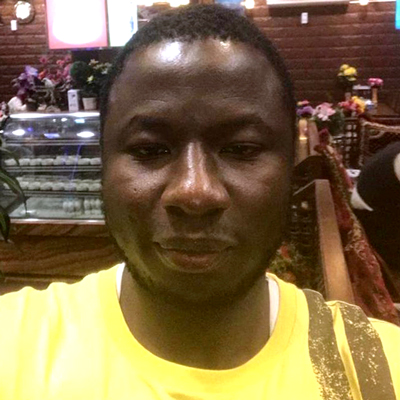
No justice for murdered Ghanaian journalist as world marks day to end impunity
Abuja, November 3, 2025—As the world marks yet another International Day to End Impunity for Crimes Against Journalists without accountability for the killing of Ghanaian journalist Ahmed Hussein-Suale Divela, the Committee to Protect Journalists calls for global solidarity. Divela, a member of the investigative outlet Tiger Eye PI, was murdered near his family home in…
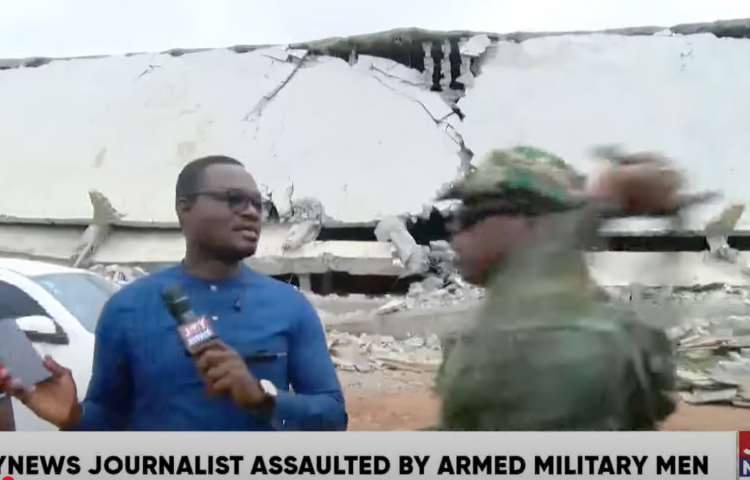
Ghanaian officers attack journalists reporting on demolition
Abuja, Nigeria, August 12, 2025—The Committee to Protect Journalists calls for Ghanaian authorities to swiftly and comprehensively conclude investigations into the July 30 attack on journalist Carlos Lorlornyo Atsu Calony and threats made against camera operator Jonas Zodzi Voergborlo. On July 30, at least seven military officers, some of whom were wearing Ghana’s National Intelligence Bureau…
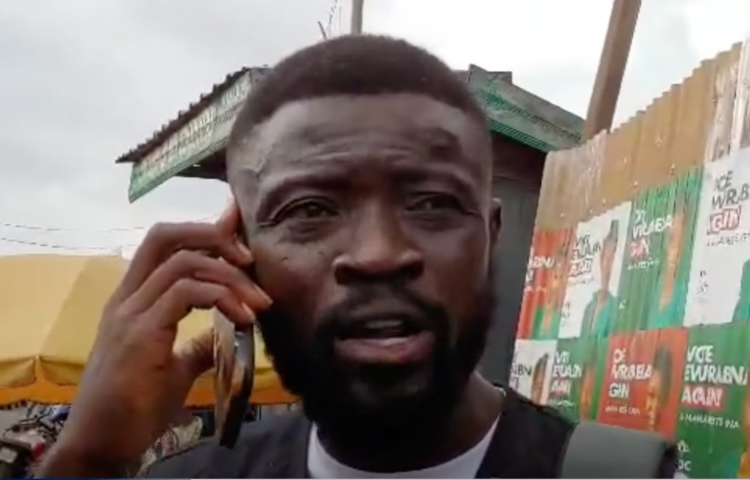
Ghanaian police, masked man attack journalists covering local election
Abuja, July 24, 2025—The Committee to Protect Journalists calls on Ghanaian authorities to ensure the safety of journalists reporting on elections, after three incidents during a local election on the outskirts of the capital, Accra. On July 11, a group of men overran a polling station in Ablekuma North constituency and assaulted a candidate, forcing voting to be temporarily…
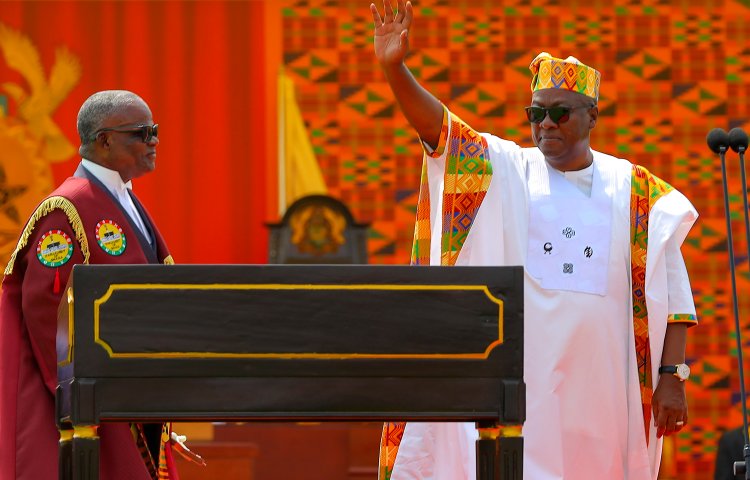
CPJ urges Ghana’s President Mahama to reverse impunity, improve press freedom
On his 100th day in office, the Committee to Protect Journalists urged Ghanaian President John Dramani Mahama to ensure swift and conclusive investigations into cases of attacks against the press, to reform laws that criminalize journalism, and to protect journalists’ privacy. In its April 17 letter, CPJ requested Mahama to take steps to deliver justice…

Ghanaian journalists attacked by military, illegal miners in separate incidents
Abuja, March 24, 2025–The Committee to Protect Journalists calls on Ghanaian authorities to investigate and hold accountable military officers and suspected illegal miners accused of attacking a total of five journalists in separate incidents. “It is concerning that military officers accused of attacking journalists have not been held to account,” said Angela Quintal, CPJ’s Africa regional…

At least 5 Ghanaian journalists attacked covering Ashanti elections
Abuja, February 20, 2025—Ghanaian authorities must swiftly investigate February 11’s attack on five journalists covering Council of State elections in the southern Ashanti Region and ensure the press can do their jobs without fear of reprisal, the Committee to Protect Journalists said Thursday. “Journalists play a critical democratic role in reporting on elections, yet this duty to inform is…

No accountability after Ghanaian journalists attacked while covering illegal mining investigation
Abuja, February 6, 2025—Armed men, some wearing military camouflage, attacked journalist Ohemeng Tawiah with stones and machetes on December 20, 2024, after Tawiah and his camera operator, Joseph Kusi, joined a police team investigating allegations of illegal mining at a site in Ghana’s northern Ashanti region. Tawiah told CPJ he provided police with a written…
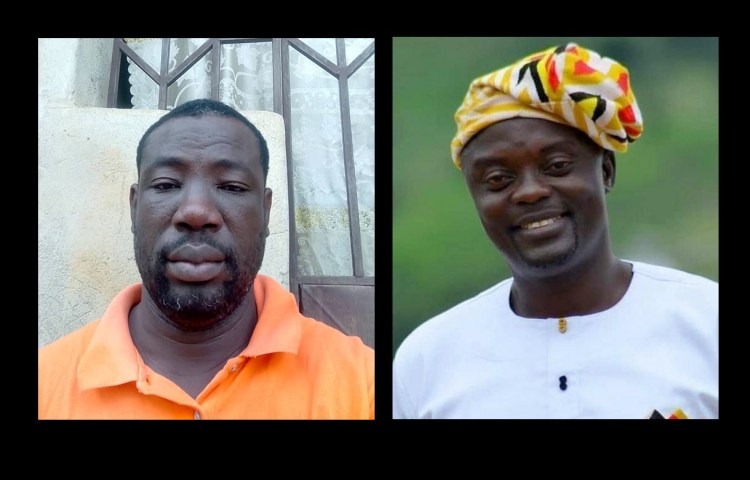
Mine security guards attack media crew covering environmental degradation in Ghana
Abuja, October 31, 2024–The Committee to Protect Journalists calls on Ghanaian authorities to swiftly investigate and hold accountable the security guards who attacked four journalists and media workers working for the privately owned Multimedia Group conglomerate at a mining site in the country’s southern Ashanti region. On October 20, at least 10 armed security guards…