
Togolese journalist kidnapped, assaulted in a case of mistaken identity
Dakar, September 11, 2026—The Committee to Protect Journalists calls on Togolese authorities to investigate the seizure and assault of journalist Roland Yaovi Kodjo, prosecute those responsible, and ensure journalists’ safety, after armed men kidnapped Kodjo on September 5 and released him hours later after realizing they had targeted the wrong man. “The kidnapping and assault…
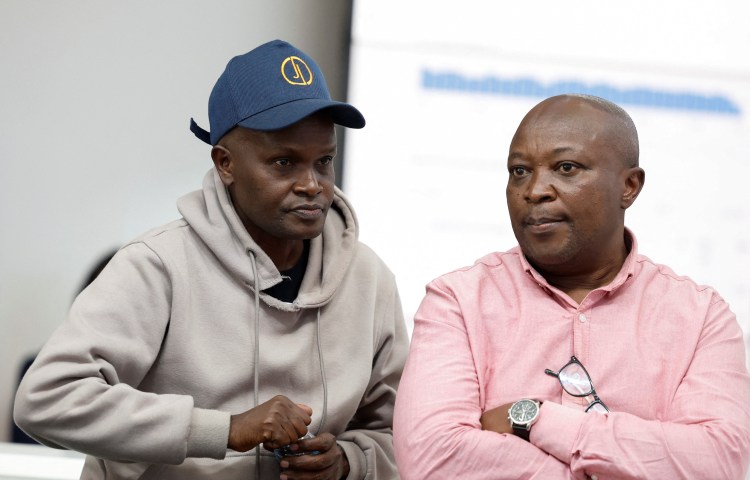
Kenyan Standard’s Alex Kiprotich seized by armed men after escaping earlier attack
Nairobi, September 4, 2026—The Committee to Protect Journalists calls on Kenyan authorities to ensure a credible investigation into Tuesday’s seizure of Standard Group editor Alex Kiprotich by armed men whom local media allege were police officers. The five-hour incident followed a similar attack on June 27, when Kiprotich’s car was intercepted by men with guns…
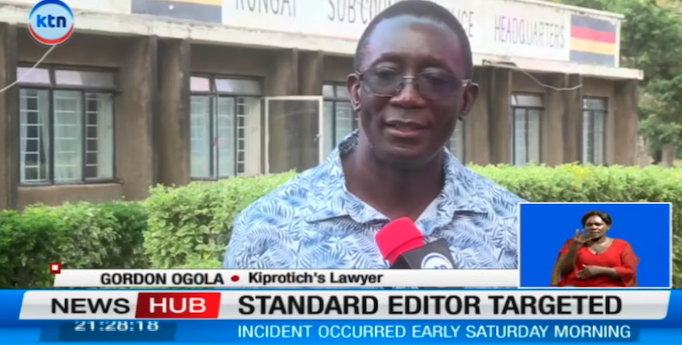
Kenya: The Standard editor escapes seizure by armed men after president’s censure
New York, July 6—The Committee to Protect Journalists calls on Kenyan authorities to investigate the attempt by heavily armed men to snatch The Standard Group Associate Editor Alex Kiprotich from his car, days after the president criticized the media house, and ensure that those behind the incident are brought to justice. “The attempt to forcibly…

Kenya court strikes down ‘fake news’ sections of cyber law, upholds other problematic provisions
Kampala, March 6, 2026—The Committee to Protect Journalists welcomes Friday’s decision by Kenya’s Court of Appeal to strike down sections of the 2018 cybercrime law as a major victory for freedom of expression and the press. The Bloggers Association of Kenya (BAKE) challenged 26 provisions of the Computer Misuse and Cybercrimes Act, 2018, arguing that…
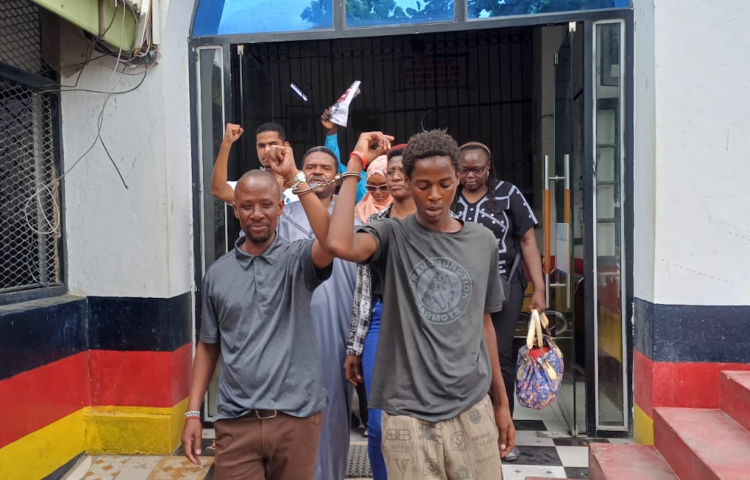
Kenya court due to rule on cybercrimes law as another journalist faces jail
Journalist Peter Maseke Mwita has a keener interest than most in Friday’s upcoming ruling on the constitutionality of Kenya’s cybercrime law — legislation that could see him jailed for up to 10 years over a mistaken WhatsApp message. On February 27, a three-judge court of appeal bench is due to rule in a case brought…
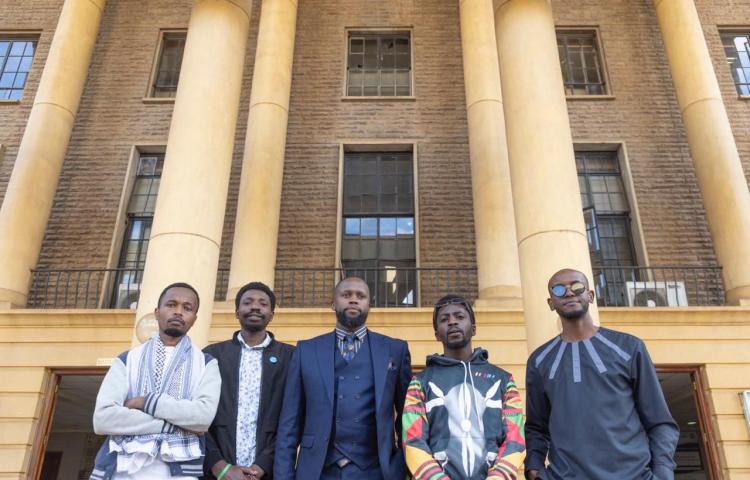
Spyware installed on Kenyan filmmakers’ phones in police custody
New York, September 10, 2025—The Committee to Protect Journalists is gravely alarmed by the installation of spyware on two Kenyan filmmakers’ phones while the devices were in police custody, and calls on authorities to drop a case against them and two other filmmakers and ensure that journalists are not further targeted for surveillance. Forensic analysis…
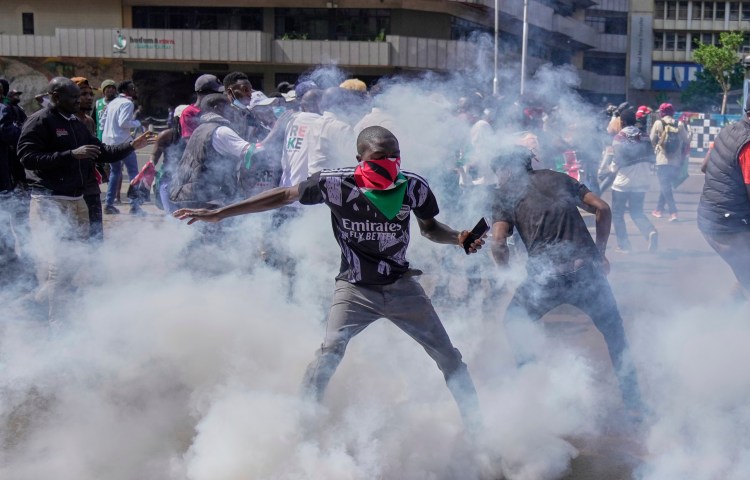
Live coverage of protests banned in Kenya, at least 2 journalists injured
Nairobi, June 25, 2025—The Committee to Protect Journalists is alarmed by Kenyan authorities’ Wednesday ban on live coverage of deadly protests, in which at least two journalists were injured, and the shutdown of at least three broadcasters. Protesters took to the streets in most of Kenya’s 47 counties to mark the one-year anniversary of anti-tax…

Tanzanian journalist Maria Sarungi Tsehai briefly abducted in Kenya
Nairobi, January 14, 2025– CPJ calls on the Kenyan government to conduct a comprehensive investigation after four unknown men assaulted and abducted prominent Tanzanian journalist and human rights activist Maria Sarungi Tsehai for about four hours on Sunday in the Kenyan capital of Nairobi. “With attacks on dissidents living in exile in Nairobi and a…
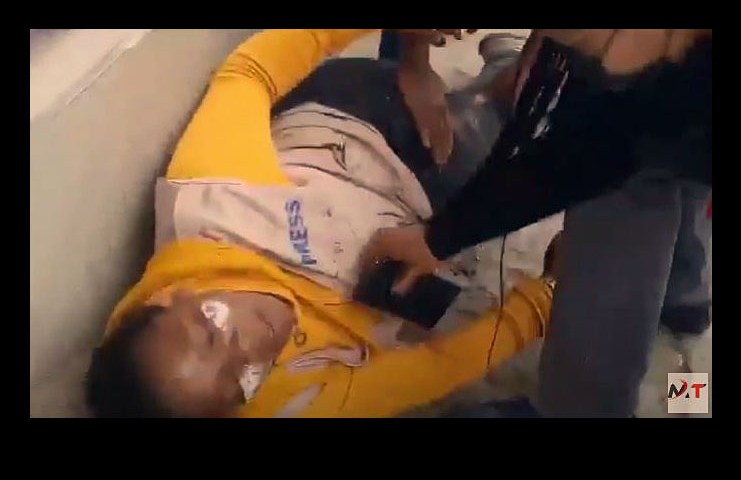
Kenyan journalist Catherine Wanjeri wa Kariuki shot in leg covering protests
Kampala, July 16, 2024 —Kenyan authorities must conduct a swift and thorough investigation into the July 16 shooting of journalist Catherine Wanjeri wa Kariuki as she covered ongoing protests in the country, the Committee to Protect Journalists said Tuesday. Kariuki, a reporter for the privately owned Mediamax Network Ltd media group, was shot three times…

Kenya court rules police unlawfully killed Pakistani journalist Arshad Sharif
Kampala, July 8, 2024—The Committee to Protect Journalists welcomes a Kenyan court’s Monday ruling that Kenyan authorities violated Pakistani journalist Arshad Sharif’s right to life and that his death was arbitrary and unconstitutional. “CPJ welcomes the Kenyan High Court’s ruling that the 2022 killing of Pakistani journalist Arshad Sharif was unlawful,” said Angela Quintal, head…