
Liberian journalist abducted by traditional group after broadcasting government policy
Abuja, July 23, 2025—The Committee to Protect Journalists calls on Liberian authorities to ensure justice for journalist Alex Seryea Yormie, who was abducted for several hours and brutalized by members of a local traditional society in northeastern Nimba county. On June 30, the men abducted Yormie while he was on his way back to the community-based Lar-Wehyi…

In Liberia, armed men attack Smile FM employee, police shutter station for 2 weeks
Abuja, May 21, 2025—The Committee to Protect Journalists calls on Liberian authorities to swiftly investigate the May 5 raid on Smile FM by a dozen armed men who beat a member of staff and occupied the premises until police sealed it off and stopped broadcasts. “Liberian authorities must hold to account those who attacked Smile…
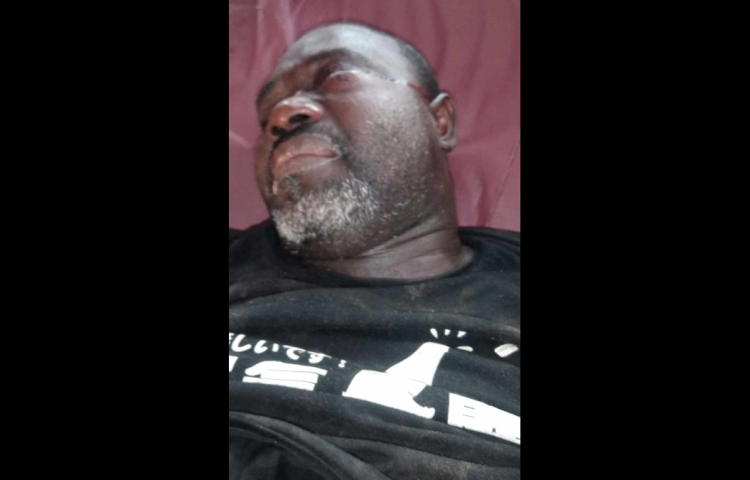
Liberian law enforcement officers arrest, beat journalist Kesselee Sumo
Abuja, March 29, 2024—Liberian authorities should investigate the law enforcement officers who tear-gassed and beat to unconsciousness journalist Kesselee Sumo, and drop all legal proceedings against the talk show host, the Committee to Protect Journalists said Friday. Two officers with the Liberia Drug Enforcement Agency (LDEA) and a magistrate’s court sheriff assaulted and arrested Sumo,…
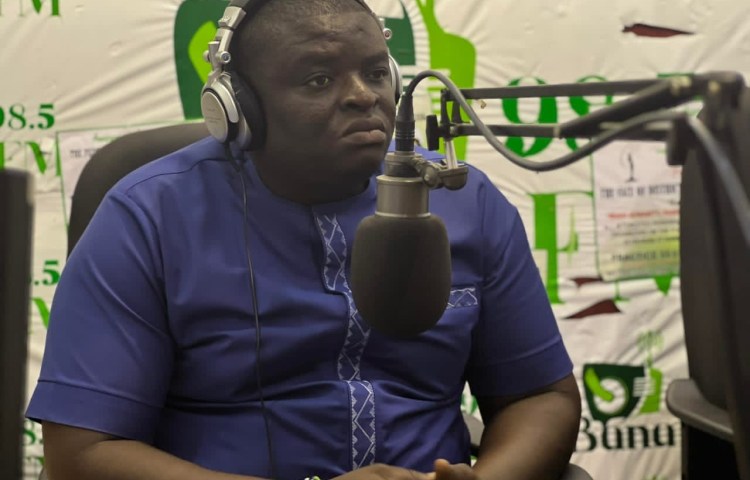
Liberian journalist Winston Blyden attacked by politician’s bodyguards
On June 6, 2023, Hanson Kaizolu, a member of Liberia’s opposition Unity Party, ordered two of his bodyguards to “flog” and “beat up” Winston Blyden, a producer and director with the privately owned broadcaster Bana FM, after he covered daily legislative proceedings at the Capitol building in Monrovia, according to a statement by the local…
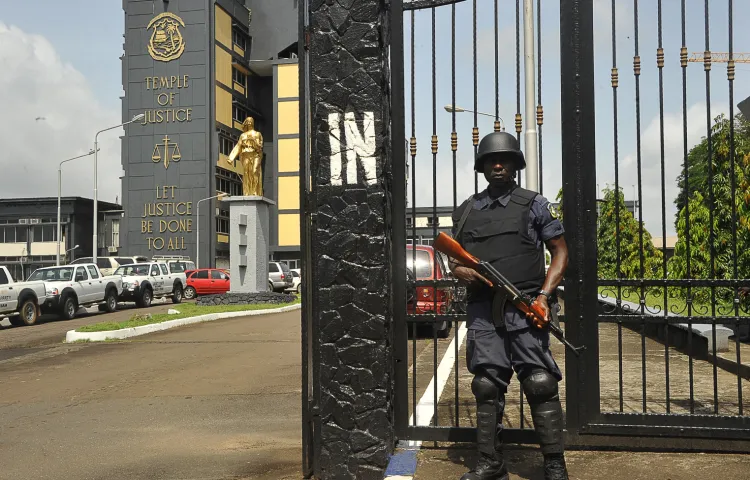
Liberia’s FrontPageAfrica summoned to defend bribery report or face contempt of court
Abuja, June 12, 2023—Liberian authorities should ensure that journalists are able to cover court cases without fear that they will be forced to expose their sources, the Committee to Protect Journalists said Monday. In a summons dated May 31, which CPJ reviewed, Judge Blamo Dixon of Criminal Court C in the Liberian capital Monrovia ordered…
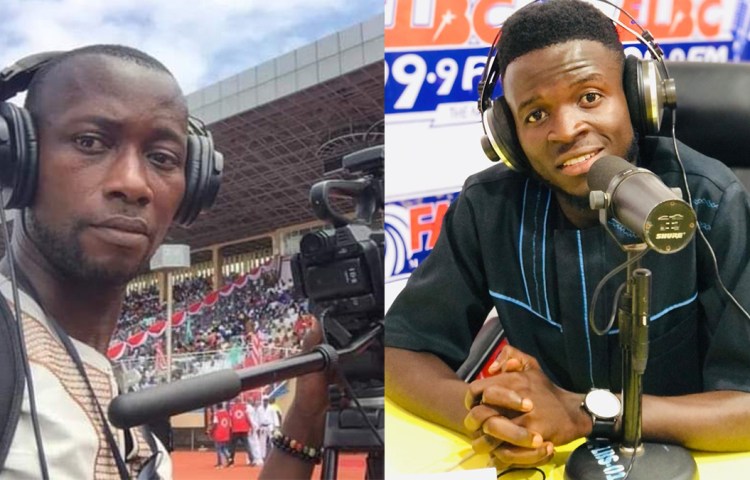
Police threaten to shoot 2 journalists covering Liberia elections
Abuja, July 11, 2022 – Liberian authorities should investigate and hold to account the two police officers responsible for threatening journalists Emmanuel Kollie and Amos P. Korzawu and assaulting Kollie, the Committee to Protect Journalists said Monday. On the evening of June 29, two police officers in Foya district, in northern Lofa county, threatened to…
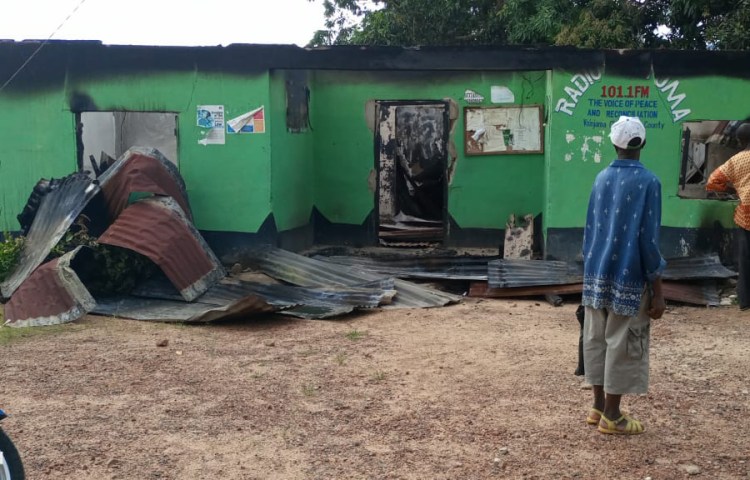
CPJ calls for investigation of fire at Liberia’s Radio Kintoma
Abuja, May 9, 2022 — Liberian authorities should investigate the recent fire at Radio Kintoma FM to determine if it was an arson attack and make the findings public, the Committee to Protect Journalists said Monday. At about 4 a.m. on April 23, neighbors of the Radio Kintoma’s station office in Voinjama, the capital of…
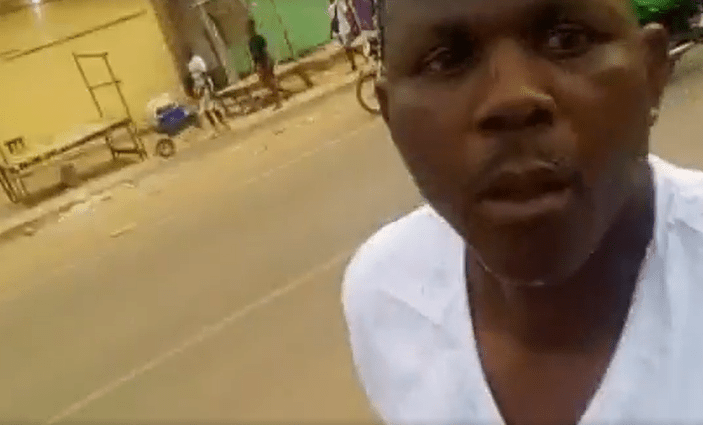
Liberian politician attacks journalist Franklin Doloquee during live broadcast
Abuja, March 3, 2022 – Liberian authorities should hold politician Nelson Korquoi accountable for his recent attack on journalist Franklin Doloquee, the Committee to Protect Journalists said Thursday. On February 25, Korquoi, the superintendent of the northern Nimba county, grabbed Doloquee by the neck and slapped him across the head during a live broadcast the…
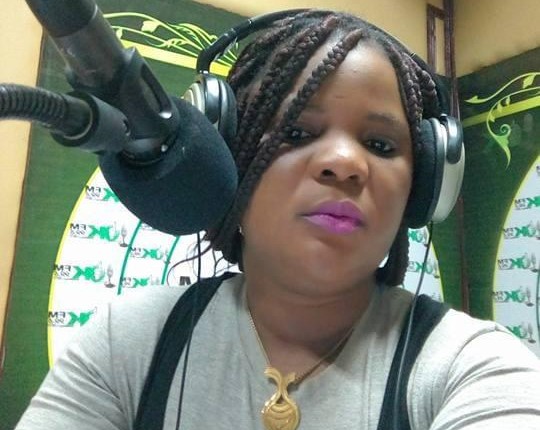
Liberian journalist Aryee Davis threatened, harassed online over reporting on alleged fraud
Abuja, July 1, 2021 – Liberian authorities should investigate the threats received by journalist Aryee Davis and ensure that she can work safely, the Committee to Protect Journalists said today. In mid-June, a Facebook user named “Gedeh Eagleeyes” sent multiple threatening messages to Davis, founder of the Facebook-based news outlet GrainCost TV, and posted threatening…
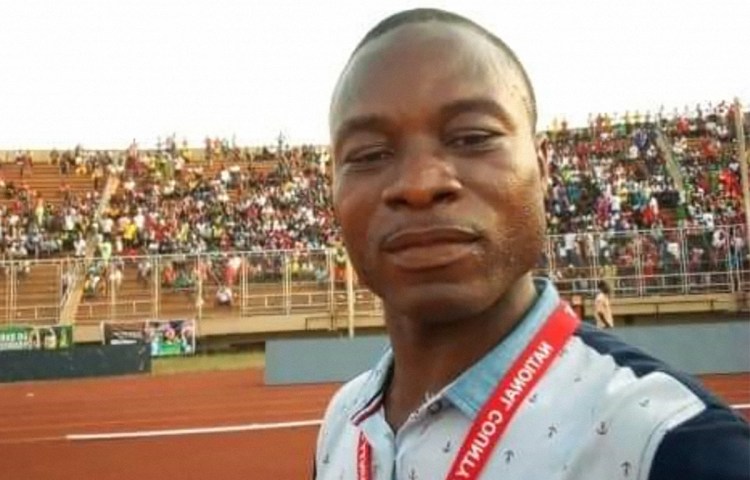
Liberian journalists assaulted while covering senate election, sports tournament
On December 14, 2020, two supporters of Liberian senatorial candidate Botoe Kanneh beat up and threatened to kill Henry Bobo Gboluma, a reporter with the privately owned Local Voices Liberia news website, according to Gboluma, who spoke by phone with CPJ, and a report by his employer. Gboluma said he photographed the men at an…