Niger
2010

Niger’s news media: From ‘décor’ to dynamism
On August 3 1960, Niger’s Independence Day, I had no inkling that I would one day take up a career in journalism. I was only 11 years old then and my village was very far from the capital and any media outlet. It is only later, when I began attending high school in the capital…
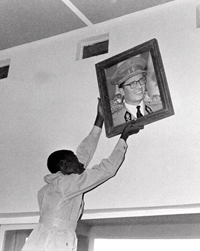
50 years on, Francophone Africa strives for media freedom
CPJ has joined with African press freedom groups to urge African leaders to end repression of the media as they celebrate 50 years since the end of colonial rule. We will publish a series of blogs this week by African journalists reflecting on the checkered history of press freedom over that period.This year is the 50th anniversary of…
CPJ, African groups call for press freedom commitment
Your Excellencies: As you gather in Paris for festivities that celebrate your nations’ 50 years of independence, we, the undersigned African press freedom advocates petition for your public commitment to a free, vibrant, and self-sustaining press as a cornerstone of the development of francophone Africa in the next five decades.
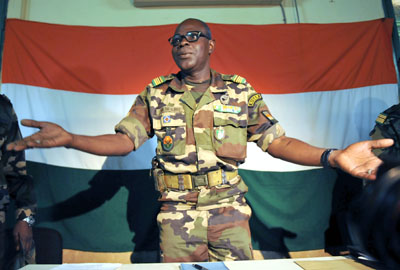
In Niger, a watchful press and a tolerant junta, for now
When a coup occurs somewhere in the world, journalists are usually the first to be sidelined. Beyond the classic scene of a new leader addressing the nation and promising democracy, stability, and wealth, reporters are usually simply undesirable within the new leadership’s entourage.
Attacks on the Press 2009: Niger
Top Developments• Tandja tightens grip on power, media through constitutional changes.• Journalists reporting on corruption face government reprisals. Key Statistic 3: Years beyond his elected term that Tandja can serve, according to a constitutional change. In an audacious bid to maintain power, President Mamadou Tandja pushed through constitutional amendments repealing presidential term limits and tightening his control…