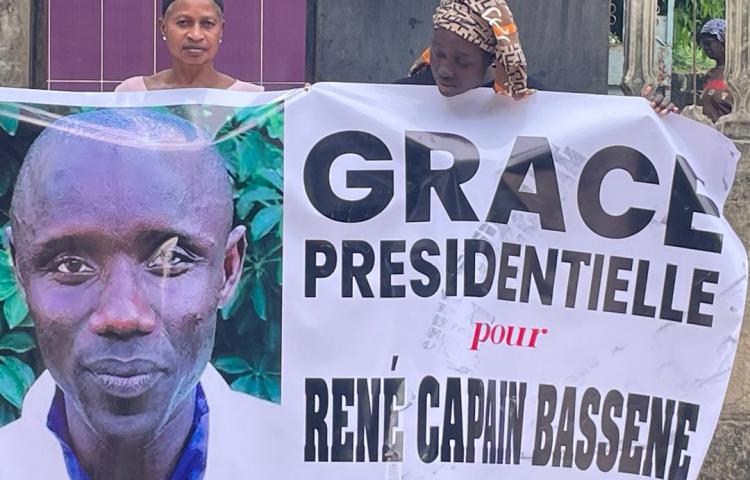
EXCLUSIVE: Senegal’s grave miscarriage of justice in the case of René Capain Bassène
Journalist René Capain Bassène devoted his career to restoring peace to Senegal’s troubled Casamance region. The government accused him of being a rebel who ordered the murder of 14 men and jailed him for life. Now a rebel leader and a U.S. diplomat involved in peace negotiations have refuted the prosecution’s fundamentally flawed theory. The…
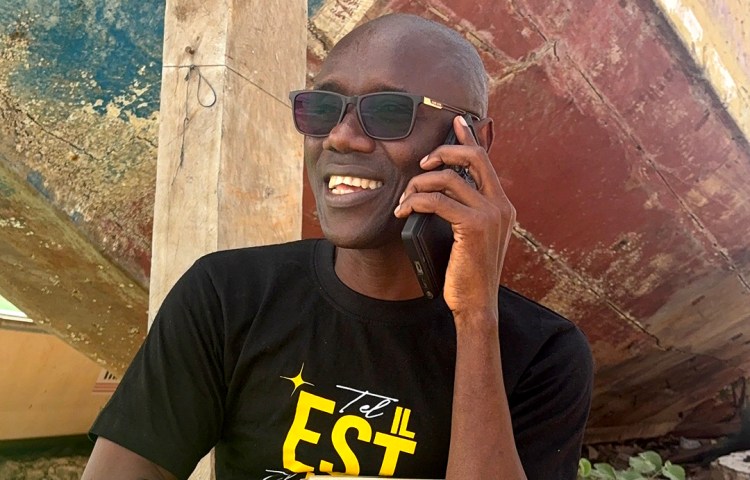
Senegalese journalist René Capain Bassène released after over 8 years in detention
Dakar, May 27, 2026—CPJ welcomes the release of journalist and writer René Capain Bassène, who had been detained since 2018 in Senegal. Bassène was sentenced to life in prison on charges of complicity in murder and attempted murder, crimes that CPJ reporting found he could not have committed. “CPJ is particularly pleased by Senegalese President…

New CPJ podcast reveals torture, coerced testimony in case of jailed Senegalese journalist René Capain Bassène
Dakar, May 4, 2026—A new podcast released by the Committee to Protect Journalists (CPJ) presents extensive new testimony and reporting on the conviction of Senegalese journalist and author René Capain Bassène, raising serious questions about the integrity of a case that has become one of West Africa’s most emblematic press freedom concerns. The six-part series,…
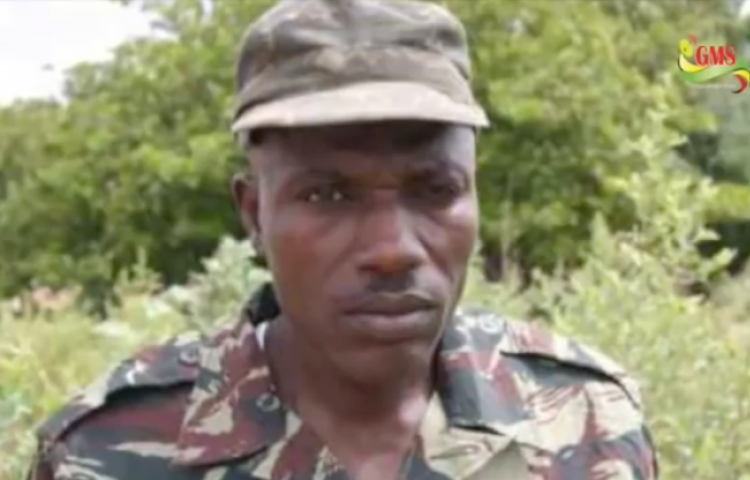
Senegal rebel leader rejects prosecution claims against journalist René Capain Bassène
A key Senegalese rebel leader, César Atoute Badiate, has broken his silence on jailed journalist René Capain Bassène, refuting the prosecution’s claim that Bassène was a militant fighting for independence of the Casamance region who incited him to murder 14 illegal loggers in 2018. “René Capain Bassène is neither an MFDC representative nor a leader…
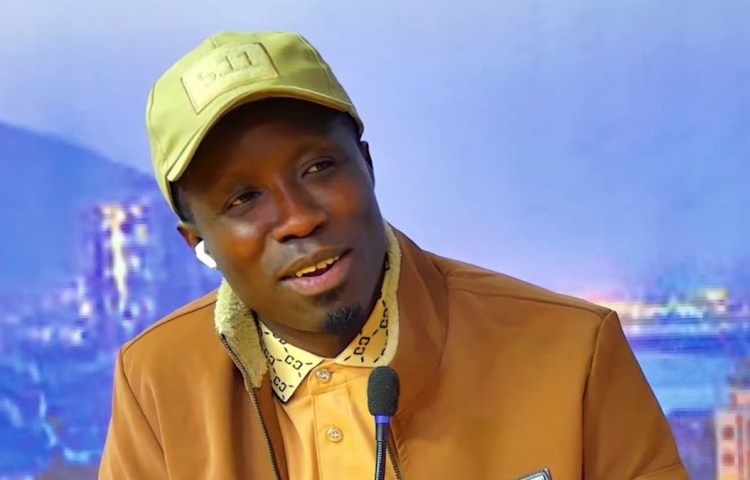
Senegalese commentator arrested for remarks about student’s death
Dakar, February 19, 2026—The Committee to Protect Journalists calls on Senegalese authorities to release news commentator Abdou Nguer, who was arrested on Tuesday for challenging a public prosecutor’s statement on the cause of a student’s death. “Detaining a news commentator for his remarks on legal proceedings of public interest sends an intimidating message to the…
Senegalese news commentator arrested, accused of spreading false news
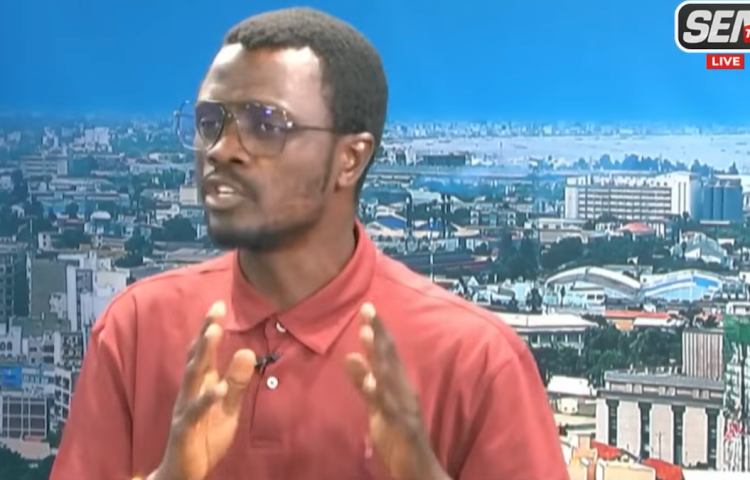
Dakar, February 12, 2026—The Committee to Protect Journalists calls on Senegalese authorities to release Modou Fall, news commentator at the privately owned channel Sen TV, after he was arrested Wednesday in Dakar, the Senegalese capital, on false news accusations for remarks he made about a crackdown on student protests. “Senegalese authorities continue to criminalize news…

5 journalists arrested in raids on Senegal’s 7TV and RFM broadcasters
Dakar, October 29, 2025—The Committee to Protect Journalists calls on Senegalese authorities to immediately release two journalists arrested in an October 28-29 crackdown on two outlets — 7TV and RFM — that had broadcast interviews with a politician wanted by authorities. Three other journalists were also detained during the raid on RFM, but released the same day. The journalists in custody as of October…
CPJ, 180 partners call for René Capain Bassène’s release in Senegal
The Committee to Protect Journalists joined 180 journalists, civil society organizations, and academic researchers in a joint letter urging Senegalese President Bassirou Diomaye Diakhar Faye to end the prolonged detention of journalist and writer René Capain Bassène, who has been behind bars since January 2018 and convicted of complicity in murder. A CPJ investigation found Bassène could…
Senegalese commentator arrested, prime minister calls for media boycott
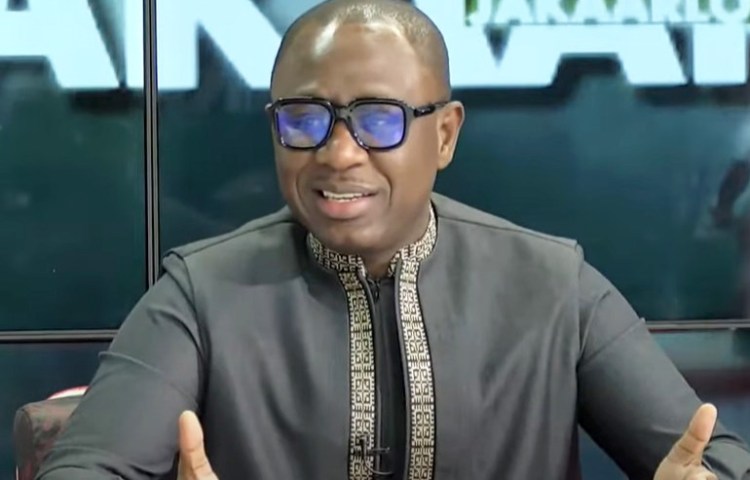
Dakar, July 14, 2025—The Committee to Protect Journalists calls on Senegalese authorities to release news commentator Badara Gadiaga, to cease arresting journalists, and to refrain from retaliating against the media for coverage critical of the government. Senegal’s special cybersecurity division (DSC) arrested Gadiaga on July 9 over his remarks during a July 4 broadcast about Prime Minister…

Senegalese commentator detained under false news charges
Dakar, July 7, 2025—The Committee to Protect Journalists calls on Senegalese authorities to immediately release news commentator Bachir Fofana, after a judge ordered on July 2 that Fofana remain in detention until July 9, pending the continuation of his trial. Fofana was charged with publishing false news about the recipient of a vehicle purchase contract for the…