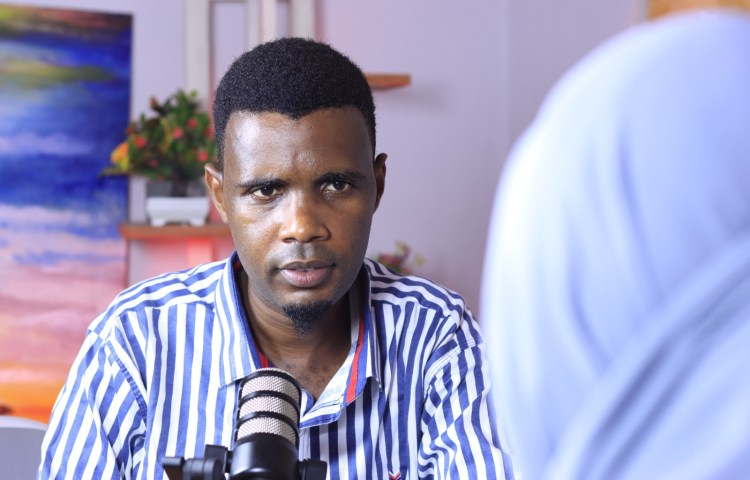
How a Somali journalist tried to fix regional president’s Facebook page — and spent 38 days in jail
It’s been a month since journalist Mascuud Warsame was freed from a detention facility in the Somali capital, Mogadishu, but his memories of the harrowing experience are still vivid. He remembers trying to sleep in a tiny room where the lights were kept on most of the night, his stomach pains and acid reflux from…
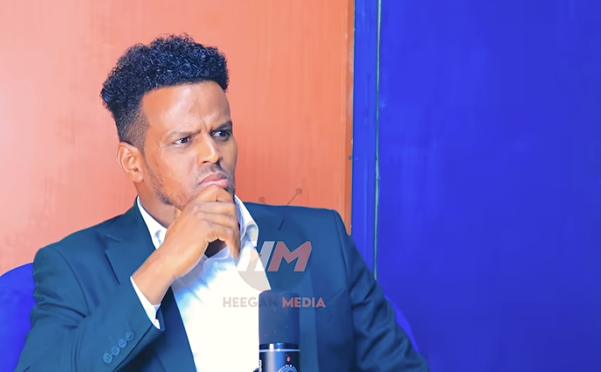
Somaliland journalist detained without charge after interviewing poet
New York, September 7, 2026–The Committee to Protect Journalists calls for the release of Somali journalist Abdiqani Hussein Abokor, also known as Baylood, who has been held without charge since August 29 in the breakaway region of Somaliland after interviewing a poet. “Abdiqani Hussein Abokor joins a long list of journalists in Somaliland who have…
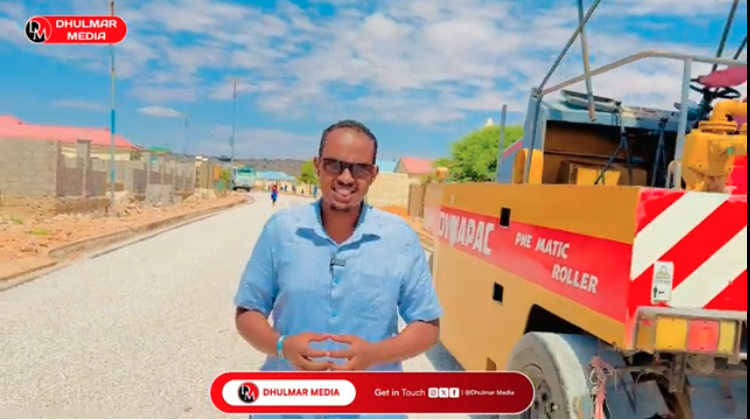
Somalia’s new Northeastern State detains journalist for report criticizing president
New York, April 1, 2026—The Committee to Protect Journalists calls for the release of journalist Abdiqani Abdirahman Mohamed, also known as Dhulmar, who has been held without charge since March 26 over a video that criticized President Abdiqadir Ahmed Aw-Ali of the newly-formed Northeastern State of Somalia. “Abdiqani Abdirahman Mohamed has committed no crime, and…
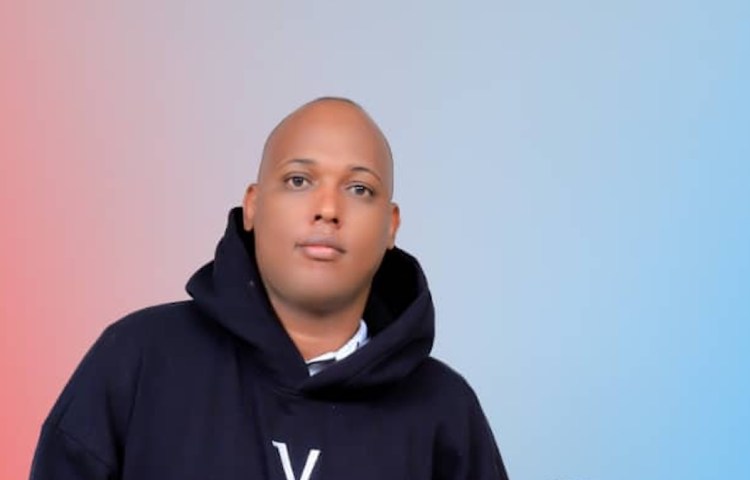
Somaliland journalist Ahmed-Zaki Ibrahim Mohamud held without charge since February
New York, March 6, 2026—The Committee to Protect Journalists calls for the release of journalist Ahmed-Zaki Ibrahim Mohamud, who has been held without formal charges since February 22 in the breakaway region of Somaliland. That evening, unidentified individuals raided the offices of the online outlet Warrame Media in the capital, Hargeisa, and arrested Ahmed-Zaki, its…
CPJ calls for immediate release of Somaliland journalist Abdiaziz Awl
Kampala, September 18, 2025 —The Committee to Protect Journalists calls for authorities in the breakaway region of Somaliland to immediately and unconditionally release journalist Abdiaziz Saleban Sulub, also known as Abdiaziz Awl, and to end the ongoing harassment of the media. On September 12, police in Burao, in central Togdheer region, arrested Abdiaziz, a reporter…

Somaliland journalist detained for days without charge over Facebook post
Kampala, August 15, 2025—The Committee to Protect Journalists calls on authorities in the breakaway region of Somaliland to unconditionally release Facebook-based journalist Ahmed Mohamud Dool, who has been in detention without charge since August 5. “Ahmed Mohamud Dool’s ongoing detention is the latest sign that Somaliland is becoming an unbearably hostile environment for the media,”…
‘Alarming escalation’: At least 41 journalists targeted since March in Somalia
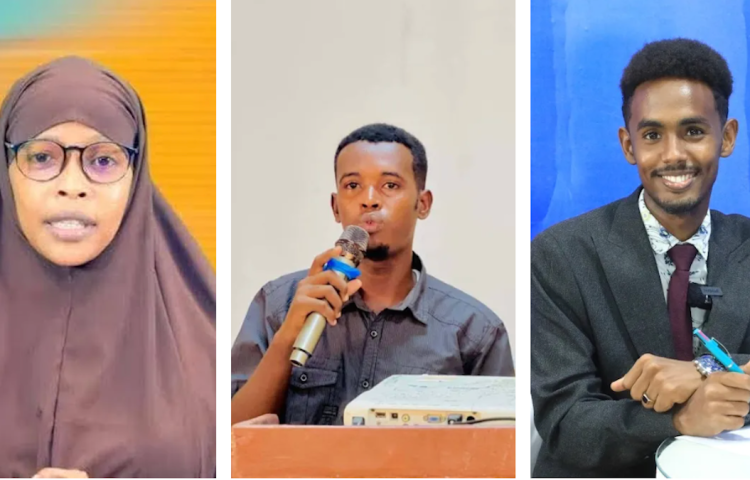
Somali security personnel have arrested, assaulted, or harassed at least 41 private-media journalists since mid-March, in what local press rights groups have called a “painful experience” and an “alarming escalation” in attacks on the media. Most of these press freedom violations were connected to coverage of national security issues, including theprotracted conflict between the government…

Somali journalist killed in Al-Shabaab bombing, at least 22 others arrested for reporting attack
Nairobi, March 20, 2025—The Committee to Protect Journalists calls on Somali authorities to investigate the killing of journalist Mohamed Abukar Dabashe in a March 18 bombing by the militant group Al Shabaab in the capital Mogadishu and allow journalists to do their jobs without fear of reprisal. “Mohamed Abukar Dabashe’s death is devastating. Unfortunately, he…
Somali police arrest journalist AliNur Salaad on ‘false reporting’ allegations
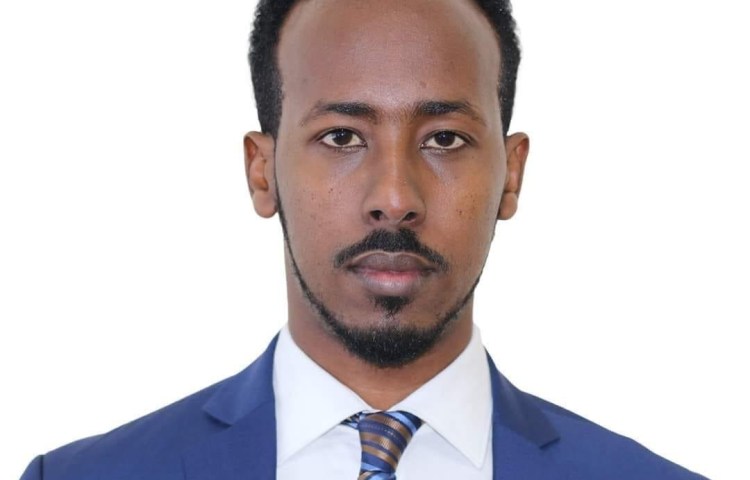
Kampala, July 26, 2024—The Committee to Protect Journalists calls on Somali authorities to immediately release journalist AliNur Salaad who was remanded in custody for 45 days on allegations of “immorality, false reporting, and insulting the armed forces.” “Somali authorities must immediately free journalist AliNur Salaad, drop all legal proceedings against him, and allow journalists to…
Somali authorities investigate media rights group, freeze its accounts
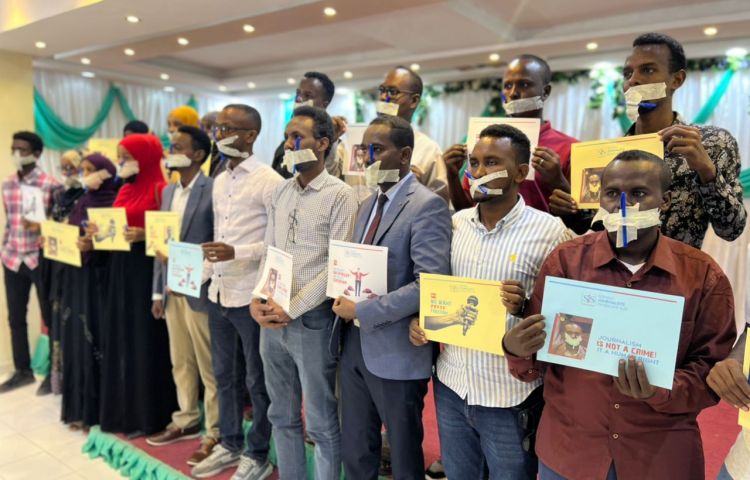
Kampala Uganda, April 19, 2024—Somali authorities should drop all criminal investigations against the Somali Journalists Syndicate and desist from weaponizing the judicial system to obstruct the work of the media rights organization, the Committee to Protect Journalists said on Friday. Two commercial banks, Premier Bank and Dahabshil Bank International told the Somali Journalists Syndicate (SJS)…