
More than a dozen South African journalists targeted as anti-migrant deadline looms
South African journalist Sakhiseni Nxumalo was reporting on an anti-migrant march, which turned into a deadly attack on foreign nationals, when he himself became a target because of his dark skin. He is one of at least 15 journalists targeted in South Africa in recent months, CPJ’s reporting found. Nxumalo, who works for the digital…

CPJ, partners condemn targeting of journalists covering South Africa’s anti-migrant protests
The Committee to Protect Journalists has joined seven other media freedom organizations in condemning attacks on foreign nationals and the targeting of journalists covering anti-migrant protests in South Africa. In a joint statement, issued ahead of the June 30 deadline set by the anti-migrant group March and March, the organizations called on its leaders to…
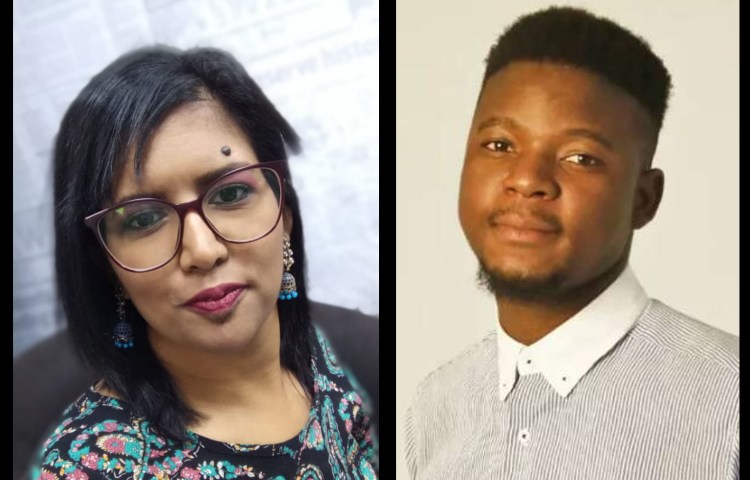
South African journalist threatened, assaulted, robbed by municipal workers
Lusaka, March 20, 2026—The Committee to Protect Journalists calls on South African authorities to act swiftly on a criminal case of assault, robbery, intimidation, and malicious damage to the property of two journalists covering a protest in eastern KwaZulu-Natal province for The Witness newspaper. The police have not made any arrests, The Witness’ news editor…

Top South African cop calls for spy probe into media, jailing of journalists
New York, October 10, 2025—The Committee to Protect Journalists is alarmed by KwaZulu-Natal provincial police commissioner Nhlanhla Mkhwanazi’s doubling down on his call for lawmakers to endorse the surveilling of journalists by South Africa’s State Security Agency and for reporters to be jailed for misinformation. In a text exchange with CPJ on Thursday — following…

Gag orders against journalists raise South Africa press freedom concerns
When a South African solar panel company last month dropped its legal battle over a gag order preventing journalist Bongani Hans from reporting on allegations of misleading clients, Hans told the Committee to Protect Journalists that he saw it as “a victory for media and press freedom.” But for Hans and others in the country’s…
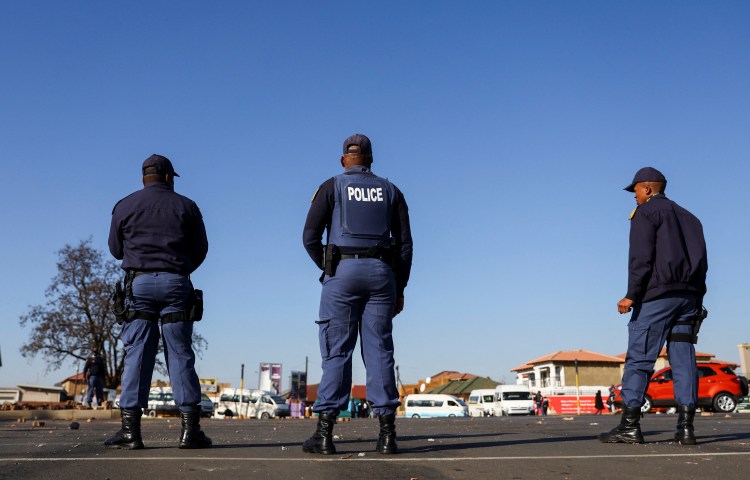
South Africa police briefly detain journalist Sandiso Phaliso, force him to delete crime scene photographs
South African police arrested freelance journalist Sandiso Phaliso while he was photographing a crime scene in the country’s legislative capital of Cape Town on April 25 and held him for about two hours, the journalist told CPJ. Phaliso, who regularly writes for the non-profit news agency GroundUp, said that he went to a crime scene in…
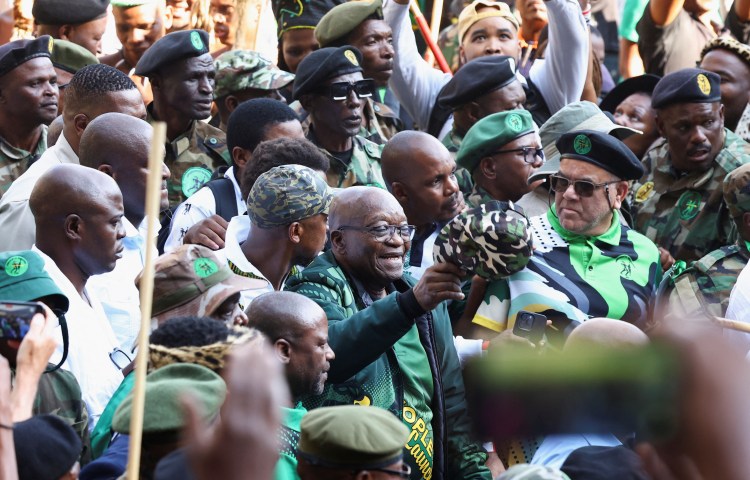
Journalists assaulted at MK election rally ahead of South Africa elections
Lusaka, May 24, 2024 — South African authorities must investigate and hold to account those responsible for sexually assaulting a woman journalist as well as physically assaulting and harassing other members of the media during an uMkhonto we Sizwe (MK) party political rally on May 18, the Committee to Protect Journalists said on Friday. Men…
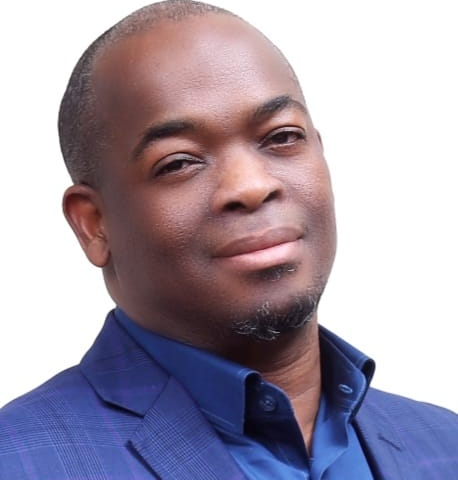
SABC editor-in-chief called for security vetting and polygraph before South Africa election
Lusaka, May 6, 2024 — The Committee to Protect Journalists on Monday expressed alarm that South Africa’s spy agency wants to subject Moshoeshoe Monare, the editor-in-chief of the South African Broadcasting Corporation (SABC), to additional security vetting and an invasive lie-detector test ahead of the country’s crucial May 29 general election. A senior official at…
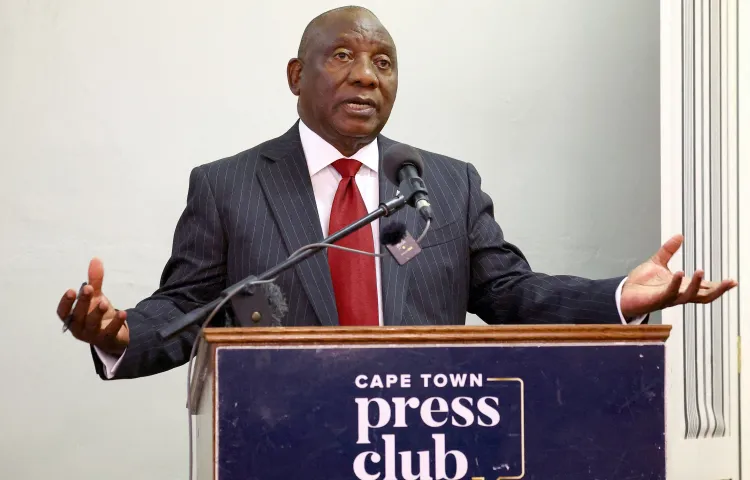
CPJ welcomes South Africa’s abolition of criminal defamation, calls for further legal reforms
Lusaka, April 10, 2024–The Committee to Protect Journalists on Wednesday welcomed South African President Cyril Ramaphosa’s signing into law a bill that abolishes criminal defamation, and urged authorities to reform other problematic laws that threaten press freedom. On April 3, Ramaphosa signed the Judicial Matters Amendment Act (2023), which includes a provision repealing “the common…
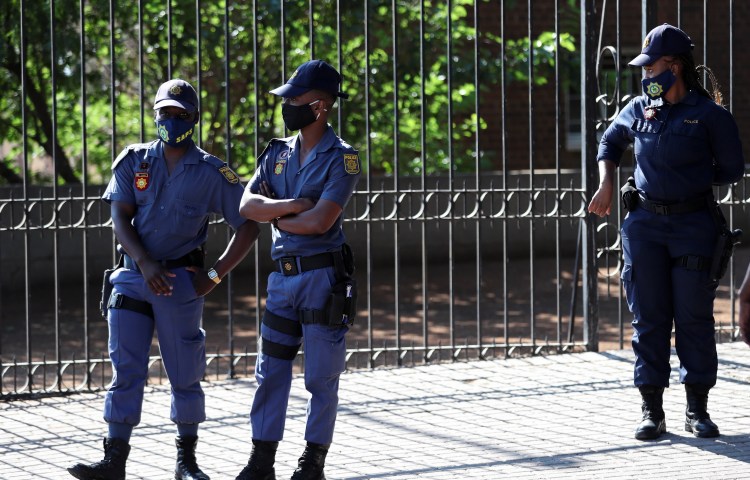
South African journalist Thomo Nkgadima charged with intimidation after photographing mayor’s home
Lusaka, January 3, 2024—South African authorities should drop criminal trespass and intimidation charges against freelance journalist Thomo Nkgadima and ensure that members of the press do not face reprisal for reporting issues of public interest, the Committee to Protect Journalists said Wednesday. On December 24, 2023, police in Fetakgomo Tubatse Municipality in South Africa’s northern…