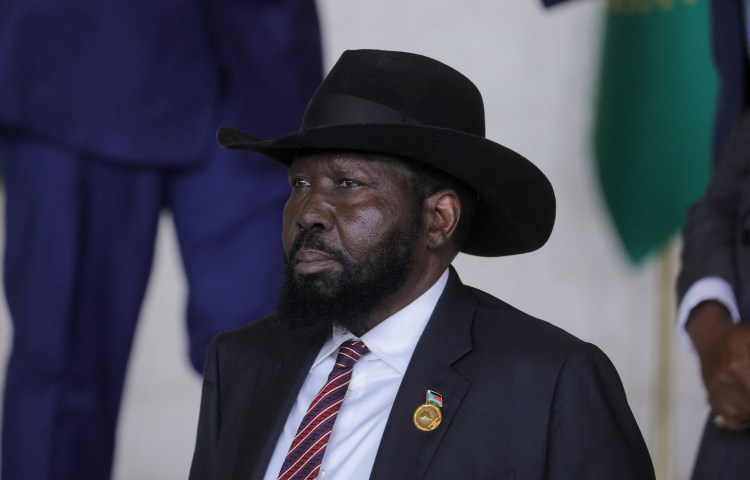
South Sudan’s new cybercrime law ramps up threat of jail for journalists
The Committee to Protect Journalists calls on authorities in South Sudan to urgently reform its new cybercrimes law, which punishes defamation with up to five years in prison, criminalizes speech on overbroad grounds, and fails to protect whistleblowers and public interest reporting. While government officials maintain the law is intended to address online fraud and…

South Sudan authorities suspend Hot in Juba news outlet
Kampala, Uganda, November 21, 2025—The Committee to Protect Journalists calls on South Sudan’s media regulator to rescind its order suspending the online news outlet Hot in Juba and to ensure its journalists can work safely. “The suspension of Hot in Juba on unclear grounds is the latest sign that the South Sudan Media Authority has…

CPJ, 102 partners call for continued human rights scrutiny of South Sudan
CPJ joined 102 other non-governmental organizations in a joint letter urging the United Nations Human Rights Council (UNHRC) to maintain its calls for accountability in South Sudan amid the country’s ongoing and widespread human rights abuses, including extrajudicial killings, “egregious violations of women’s and girls’ rights” and the persistence of “localized conflict and intercommunal violence.” …

South Sudan blocks social media access amid unrest
Nairobi, January 24, 2025– The Committee to Protect Journalists calls on South Sudanese authorities to reverse its social media ban and to ensure that the public has open and reliable internet access, which is essential for news gathering amid unrest in the country. “Blocking social media access is a blanket act of censorship and a disproportionate response…
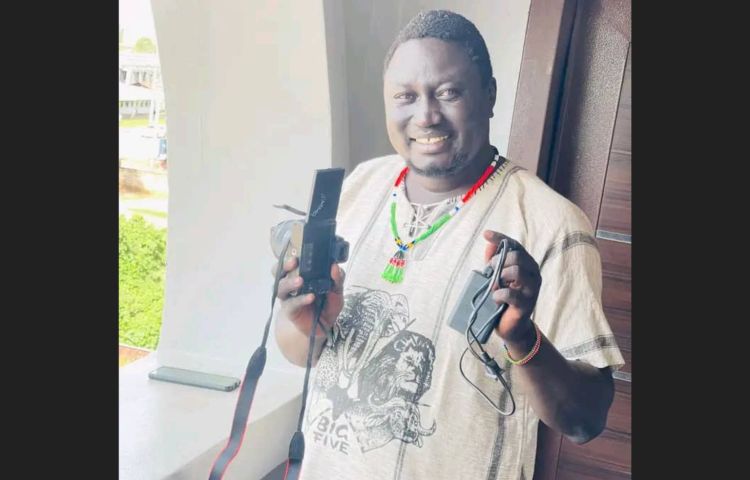
South Sudan editor Emmanuel Monychol Akop detained without charge by intelligence agents
Kampala, December 19, 2024—The Committee to Protect Journalists calls on South Sudan’s authorities to reveal the whereabouts of Emmanuel Monychol Akop, editor-in-chief of the privately owned The Dawn newspaper, who has been detained since November 28 by agents of the National Security Services (NSS), South Sudan’s intelligence agency. “South Sudanese authorities must bring editor Emmanuel Monychol Akop…
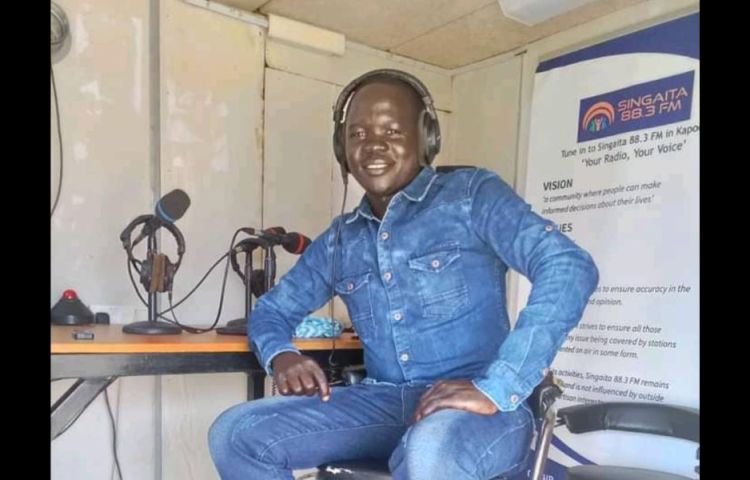
South Sudan police detain journalist Sisto Germano Ohide without charge
Editor’s note: Ohide told CPJ that he was released on bail on August 9. As of August 12, prosecutors had yet to decide whether to charge him, Ohide said. Kampala, August 8, 2024— South Sudan authorities must immediately and unconditionally release Singaita FM journalist Sisto Germano Ohide, who is ill and undergoing malaria treatment, the Committee…
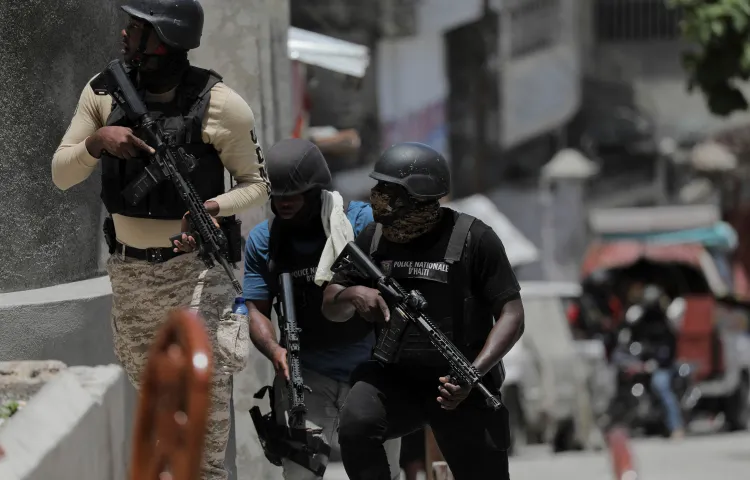
Haiti joins list of countries where killers of journalists most likely to go unpunished
By Arlene Getz/CPJ Editorial Director The persistent lack of justice for murdered reporters is a major threat to press freedom. Ten years after the United Nations declared an international day to end impunity for crimes against journalists – and more than 30 years after CPJ began documenting these killings – almost 80% of their killings…
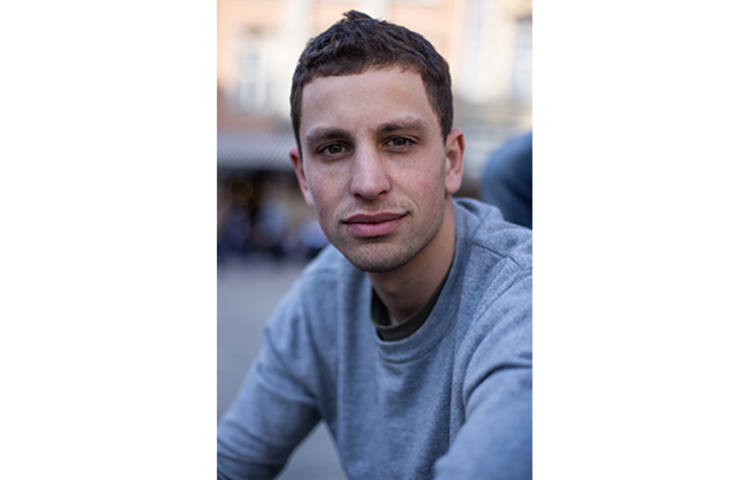
CPJ calls for transparency in South Sudan investigation into 2017 killing of journalist Christopher Allen
Nairobi, October 6, 2023—The Committee to Protect Journalists on Friday welcomed the South Sudan government’s creation of a committee to investigate the 2017 killing of British-American freelancer Christopher Allen, but called on authorities to ensure the inquiry is carried out credibly and transparently. South Sudan’s Cabinet Affairs Minister Martin Elia Lomuro formed a seven-member committee…
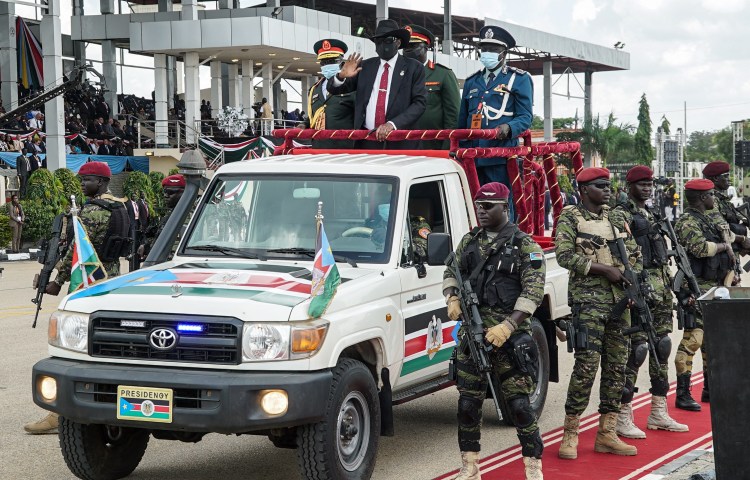
South Sudan security forces detain 6 state media employees
Nairobi, January 6, 2023—South Sudanese authorities should immediately and unconditionally release all journalists detained this week and ensure the press can work freely, the Committee to Protect Journalists said Friday. On Tuesday, January 3, agents with the National Security Service detained six journalists with the state-run South Sudan Broadcasting Corporation, according to multiple media reports…
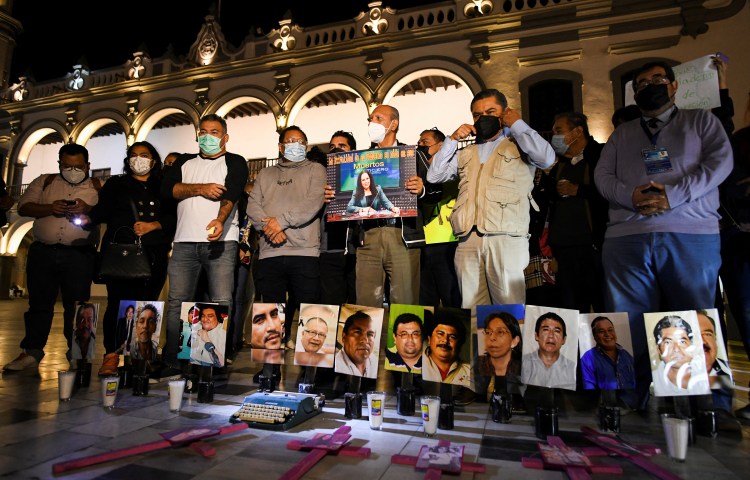
Killing with impunity: Vast majority of journalists’ murderers go free
By Jennifer Dunham/CPJ Deputy Editorial Director No one has been held to account in nearly 80% of journalist murders during the last 10 years, CPJ’s 2022 Global Impunity Index found, and governments show little interest in tackling the issue. Published November 1, 2022 Statistical table | Methodology | Database: All journalists murdered for their work…