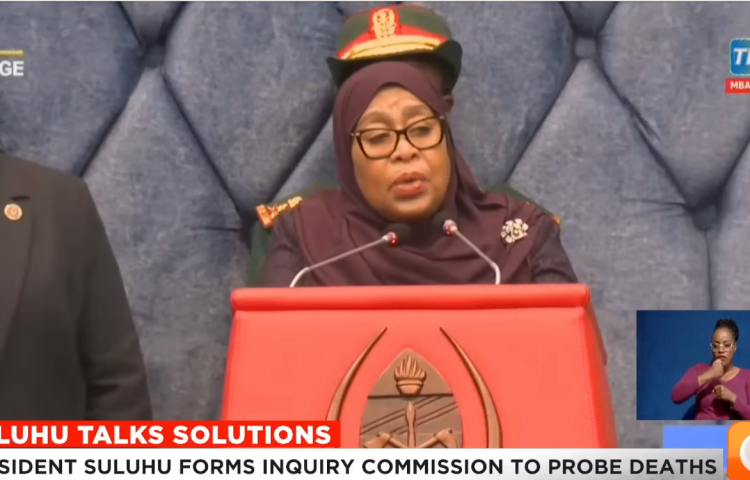
Tanzania suspends Jambo TV for querying inquiry into post-election killings
Kampala, April 13, 2026—The Committee to Protect Journalists urges Tanzanian authorities to immediately lift the 90-day suspension imposed on Jambo TV over its YouTube and Instagram posts and allow the outlet to resume operations without delay. In an April 2 notice, the Tanzania Communications Regulatory Authority (TCRA) said the digital broadcaster had published “unverified” and…

‘We cannot publish’: Fear silences Tanzanian journalists over election killings, arrests
After a vain search of local hospitals and mortuaries, the family of journalist Maneno Selanyika concluded their mourning rites on November 8 with prayer, but without a body. He was one of three journalists among hundreds or more Tanzanians killed during protests over a disputed election. Selanyika was killed on the evening of October 29,…

CPJ, 29 others call on UN to act on ‘unprecedented’ rights abuses in Tanzania
Nairobi, December 5, 2025—The Committee to Protect Journalists joined 29 other human rights organizations in urging member and observer states of the United Nations Human Rights Council (UNHRC) to “take action to prevent further abuses” in Tanzania, in the wake of a brutal government crackdown following October 29 elections. In their letter, the organizations note…

Tanzanian authorities suspend online forum for 90 days, weeks ahead of election
Nairobi, September 9, 2025—The Committee to Protect Journalists calls on Tanzanian authorities to lift a 90-day suspension of the popular discussion and news platform JamiiForums and to ensure that media can operate freely in the countdown to October’s elections. “JamiiForums’ suspension is the latest sign of the Tanzanian government’s deepening suppression of public discourse and raises concerns about…

Tanzanian journalist Maria Sarungi Tsehai briefly abducted in Kenya
Nairobi, January 14, 2025– CPJ calls on the Kenyan government to conduct a comprehensive investigation after four unknown men assaulted and abducted prominent Tanzanian journalist and human rights activist Maria Sarungi Tsehai for about four hours on Sunday in the Kenyan capital of Nairobi. “With attacks on dissidents living in exile in Nairobi and a…
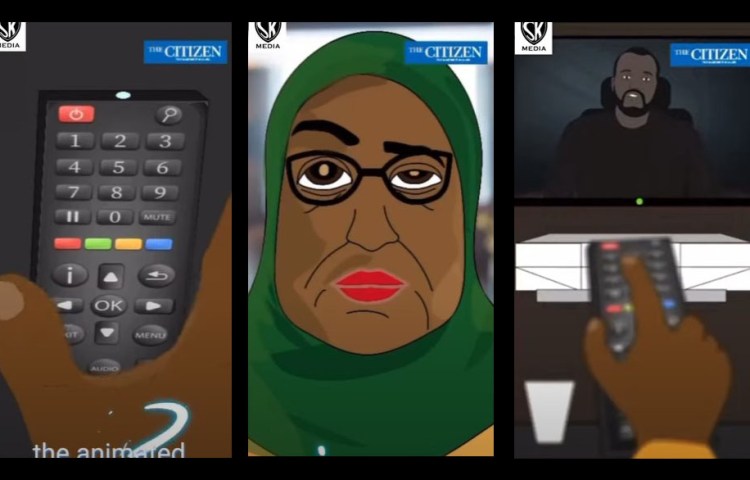
Tanzania’s regulator bans media outlets as journalists harassed
Instead of providing the latest news updates, the homepages of three leading Tanzanian newspapers are focused on their own suspension over a video seen as critical of the president, as concerns mount over deteriorating press freedom ahead of elections. On October 2, the Tanzania Communications Regulatory Authority (TCRA) issued a 30-day suspension order for Mwananchi…
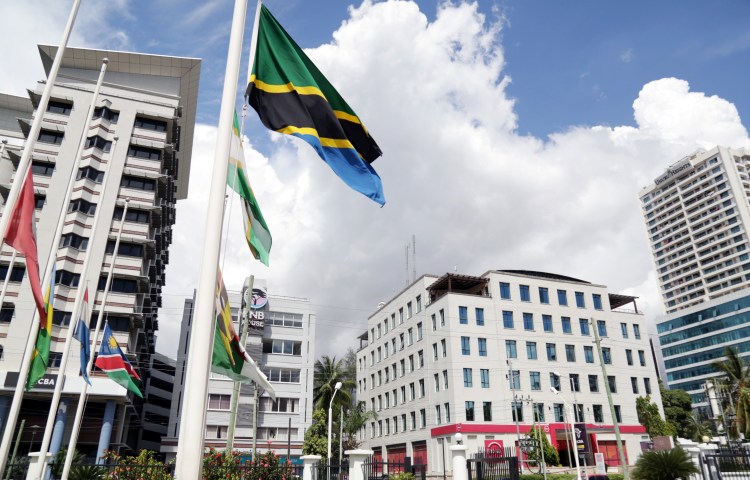
Tanzanian regulator suspends DarMpya online news outlet, citing expired license
Nairobi, July 12, 2022 – Tanzanian authorities should allow the DarMpya online news outlet to resume operations without further interference and reform the country’s online content regulations so they cannot be used to muzzle the press, the Committee to Protect Journalists said Tuesday. On July 1, the Tanzania Communications Regulatory Authority (TCRA) ordered DarMpya to…

‘A rush of relief’: Tanzanian investigative newspaper allowed to publish after 5-year ban
In 2017, Simon Mkina was the publisher and chief editor of the muckraking Tanzanian newspaper Mawio when authorities announced that they were suspending the publication for “jeopardizing national security” by reporting on two former presidents’ alleged links to mining misconduct. Mkina was forced to lay himself off, along with 57 other employees, and he became…
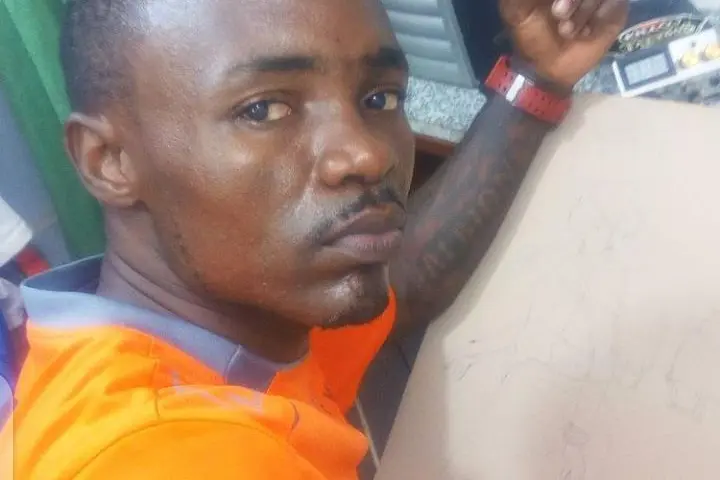
Tanzania police arrest cartoonist, journalists on cybercrime and illegal assembly allegations
Nairobi, October 7, 2021—Tanzanian authorities should unconditionally release cartoonist Opptertus John Fwema, and drop investigations into Mgawe TV journalist Harold Shemsanga and the media outlet’s owner, Ernest Mgawe, the Committee to Protect Journalists said today. On September 24, police arrested Fwema at his home in the commercial capital, Dar es Salaam, and have since detained…
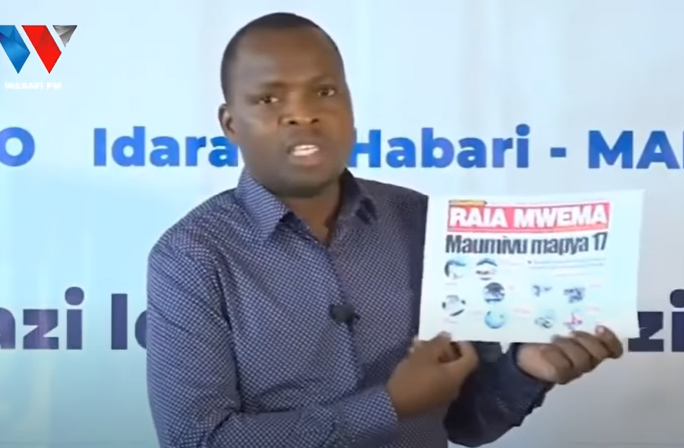
Tanzanian authorities suspend Raia Mwema newspaper for 1 month
Nairobi, September 15, 2021 — Tanzanian authorities should immediately rescind the suspension of the Raia Mwema newspaper and cease banning media outlets, the Committee to Protect Journalists said today. In a statement released on September 5, Tanzanian government spokesperson Gerson Msigwa announced a month-long suspension of the privately owned newspaper, beginning the following day. In…