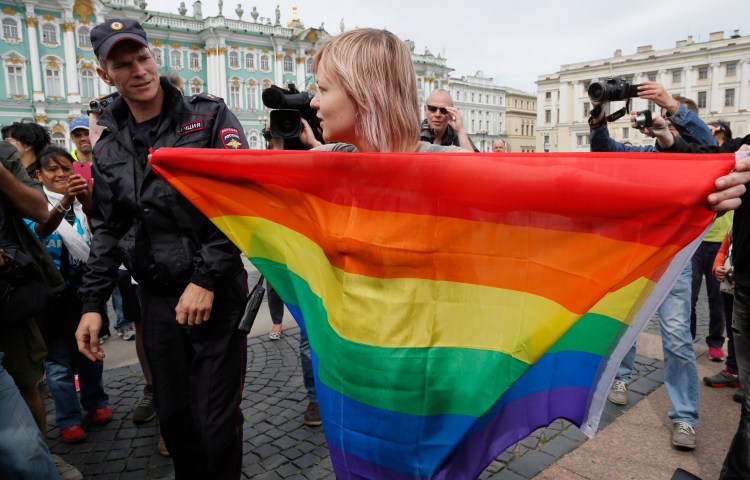
The high price journalists paid for LGBTQ+ reporting, and how to protect yourself now
As LGBTQ+ communities celebrate Pride this June, many journalists continue to face an ugly reality: simply reporting on this community can open them up to prosecution, physical attacks, threats, arrest, exile, and even death. Avijit Roy, a Bangladeshi-born American who blogged about LGBTQ+ rights and free expression, was stabbed to death alongside his wife after…
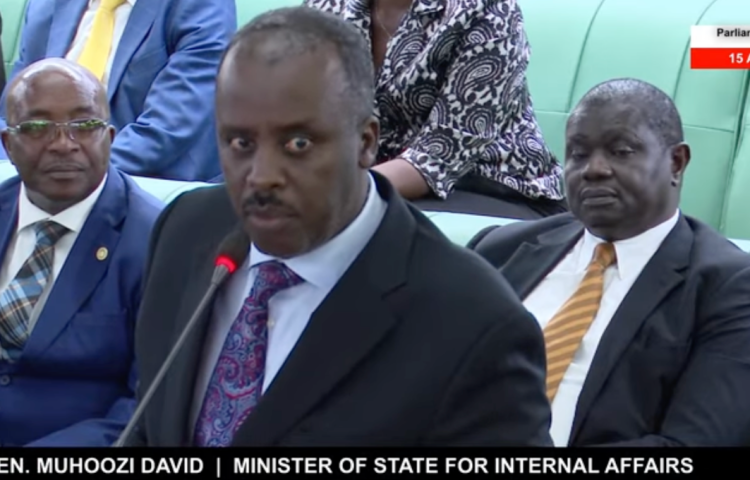
Ugandan journalists face up to 20 years in jail under draconian foreign agents bill
Uganda is set to pass a foreign agents bill, whose sweeping provisions could be used to imprison journalists critically reporting on economics, foreign policy, or elections for up to 20 years, limit foreign media funding to about $100,000, and subject newsrooms to intrusive state oversight. The Protection of Sovereignty Bill says it aims to register…
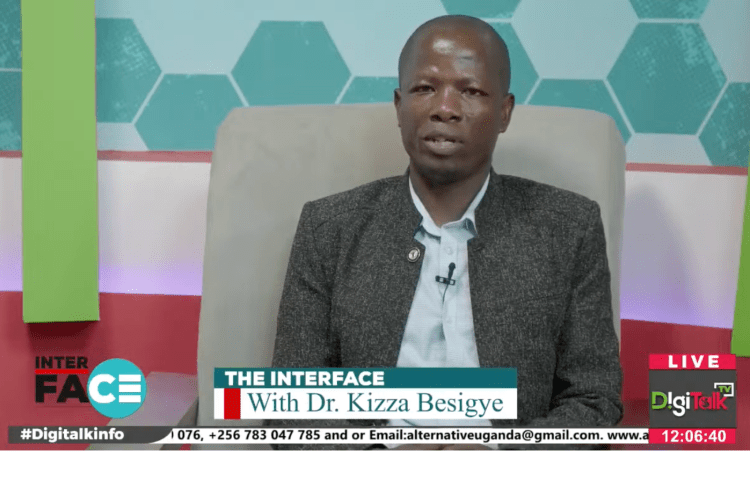
Ugandan journalist missing, forced into van after radio show
Kampala, March 30, 2026—The Committee to Protect Journalists calls on Ugandan authorities to immediately disclose whether they have detained journalist and activist Arnold Anthony Mukose and to ensure his safe return, following his forcible disappearance in the Ugandan capital, Kampala, on Sunday. “The brazen seizure of Arnold Anthony Mukose in broad daylight, outside a radio…
Uganda declares criminal defamation unconstitutional, strikes down cybercrime law
The Committee to Protect Journalists welcomes Tuesday’s ruling by the Constitutional Court of Uganda to declare criminal defamation unconstitutional, the latest African court to abolish the crime in recent years. In a consolidated judgment, in response to three petitions filed by rights groups in 2022, the court also nullified the Computer Misuse (Amendment) Act, 2022,…

Journalists assaulted, internet shut down ahead of Uganda elections
Ugandan journalist Ssematimba Bwegiire lost consciousness immediately after a security officer electrocuted him with a stun gun and pepper-sprayed him in the mouth. But he did not report the incident, reflecting widespread disillusionment among the media about authorities’ commitment to press freedom in elections on January 15. Bwegiire, a reporter with privately owned Radio Simba,…

Chinese citizen journalist seeking asylum in US faces deportation
Update: Following the DHS’s decision to drop its proposal to deport the journalist to Uganda, CPJ calls on the agency to ensure that the journalist can stay in the U.S. while continuing the process of applying for asylum. Washington, D.C., December 18, 2025—The Trump administration’s plan to deport a Chinese citizen journalist — who fled…
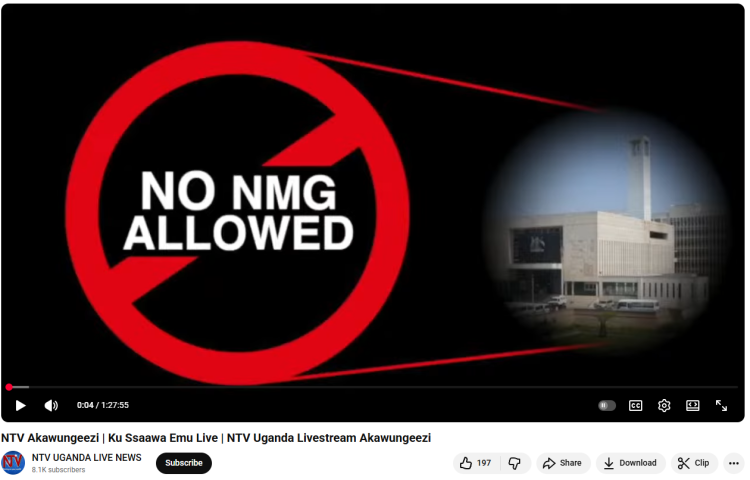
Ugandan authorities ban Nation Media Group from parliamentary, presidential coverage
Kampala, October 30, 2025—The Committee to Protect Journalists calls on Ugandan authorities to lift restrictions barring the privately owned Nation Media Group-Uganda (NMG-U) from covering parliament and presidential events, and to ensure that journalists can report freely and in the public interest ahead of the country’s January 2026 elections. “Blocking journalists from reporting on the legislature and…
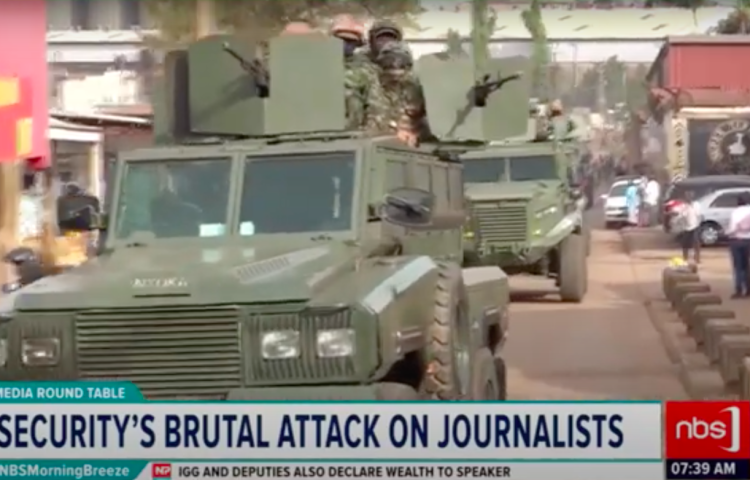
Troubling crackdown on Ugandan journalists ahead of 2026 elections
After two weeks of attacks by masked anti-terrorism agents, police, and soldiers on Ugandan journalists covering an upcoming by-election, voting day proved even worse — forcing three major media houses to pull their reporters from the day’s top story. “We have taken the difficult decision to temporarily withdraw our @Daily Monitor @ntvuganda journalists from covering…

Ugandan anti-terrorism officers brutally assault journalist
Kampala, Uganda, March 4, 2025—Two masked officers with Uganda’s security agency Joint Anti-Terrorist Task Force (JAT) assaulted Ibrahim Miracle, a reporter for Christian broadcaster Top TV, while he was reporting in the capital, Kampala, on February 26. The journalist told CPJ that the attack left him hospitalized with severe injuries. “Security officers brutally attacked journalist…
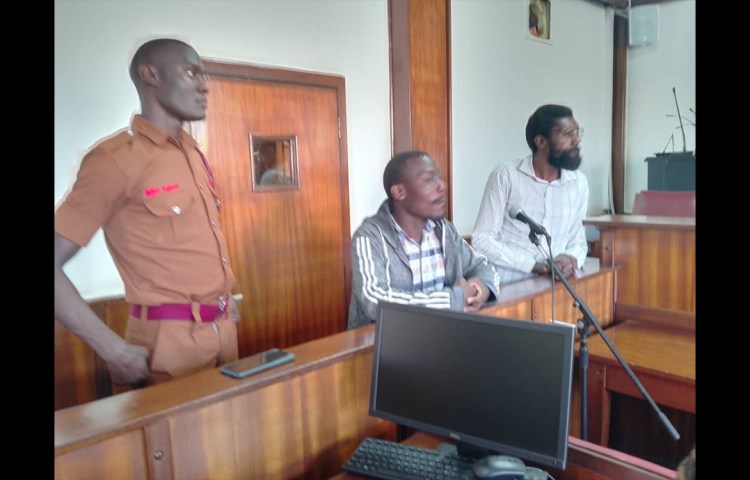
Authorities detain 2 Ugandan journalists on charges of publishing without license
Nairobi, June 27, 2024 — Ugandan authorities should release journalists Dickson Mubiru and Alirabaki Sengooba, drop all criminal charges against them, and take steps to reform laws that can be used to stifle journalism, the Committee to Protect Journalists said Thursday. On June 20 the Buganda Road Chief Magistrates Court in the capital, Kampala, charged…