Zimbabwe
2010
Zimbabwe detains reporter on criminal defamation charges
New York, November, 18, 2010–Reporter Nqobani Ndlovu remained in police custody today despite expectations that he would appear in court on criminal defamation charges, local journalists told CPJ. Police in Zimbabwe’s second largest city, Bulawayo, arrested Ndlovu, a reporter for the private weekly Standard, on Wednesday and charged him with criminal defamation in relation to an…

ANC plans taint Southern Africa’s press freedom leader
As heads of state gathered last week at the summit of the Southern African Development Community, or SADC, in Namibia, their discussions were dominated by the progress of Zimbabwe’s precarious power-sharing political agreement, which includes pledges to address a repressive media environment. Leading the mediation in the Zimbabwean crisis has been neighboring South Africa, which…
Zimbabwe minister threatens press with jail over leaks
New York, August 13, 2010–A Zimbabwean minister who threatened to jail journalists should retract his statement and honor an agreement to implement media reform, the Committee to Protect Journalists said today. Information Minister Webster Shamu made the threat on August 4 against journalists who used information he said had been leaked from cabinet meetings.
Cano laureates say no to UNESCO Obiang prize
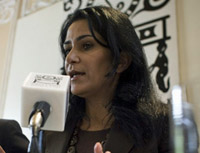
Each year, UNESCO honors a courageous international journalist with the UNESCO/Guillermo Cano World Press Freedom Prize, named in honor of the Colombian editor murdered in 1986 by the Medellín Cartel. The prize is chosen by an independent jury and over the years I’ve attended several moving ceremonies in which some of the most daring journalists…
Zimbabwe allows independent dailies for 1st time in 7 years
New York, May 27, 2010—The Committee to Protect Journalists hails the Zimbabwe Media Commission’s decision to grant publishing licenses to The Daily News, the long-banned independent newspaper, and a handful of other publications. Commission Chairman Godfrey Majonga announced on Wednesday that the licenses would be issued immediately, marking the first time in nearly seven years…

In Zimbabwe, Daily News is on the way back
Zimbabwe’s beleaguered independent media won a major victory when an official commission granted publishing licenses to four daily newspapers, including The Daily News, the nation’s leading paper before it was outlawed seven years ago. The news was greeted with cheers from independent journalists, who have endured years of repression, arrest, and violence at the hands of Zimbabwe’s…
In African hot spots, journalists forced into exile
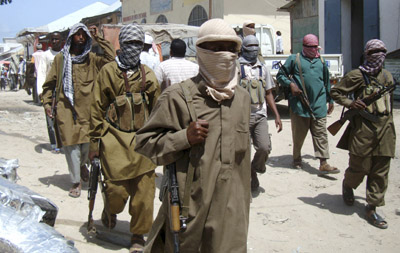
By Tom Rhodes High numbers of local journalists have fled several African countries in recent years after being assaulted, threatened, or imprisoned, leaving a deep void in professional reporting. The starkest examples are in the Horn of Africa nations of Somalia, Ethiopia, and Eritrea, where dozens of journalists have been forced into exile. Zimbabwe, Rwanda,…
Attacks on the Press 2009: Zimbabwe
Top Developments• Government fails to implement reforms allowing private media to operate.• Two international broadcasters allowed to resume operation. Key Statistic $32,000: Application and accreditation fees imposed on international journalists. In a measure of the deplorable state of press freedom in Zimbabwe, a year marked by harassment and obstruction was considered a small step forward. “Journalists…