Zimbabwe
2011
Legal protection falls short for Zimbabwe’s Insider
The Insider is a political newsletter about Zimbabwe, edited by veteran journalist Charles Rukuni. Founded in 1990, it was printed as a 12-page leaflet until 2003, when Zimbabwe’s hyper-inflation made it impossible to publish with annual subscriptions. Rukuni made the move to the Web, where he continued to archive and publish stories at insiderzim.com. Rukuni’s…
Zimbabwe journalists face criminal defamation charges
New York, July 1, 2011–Detectives today charged private weekly Standard Editor Nevanji Madanhire, reporter Patience Nyangove, and Human Resource Manager Loud Ramakgapola with criminal defamation. The three were arrested at the newspaper’s offices in Harare Wednesday morning and later released, local journalists told CPJ.Authorities arrested the three over a story Nyangove wrote on Sunday about the weekend…
CPJ’s exiled journalists survey: Behind the numbers
In 2007, my colleague Karen Phillips suggested we do something to mark World Refugee Day. Initially planning to publish a brief statement, I set about reviewing our data for background, checking in with older journalist cases about their current situation and looking broadly for trends to highlight. As the number of cases began counting into…
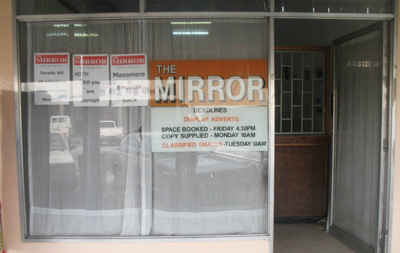
Suspicious break-in at Zimbabwe newspaper
New York, April 29, 2011–The Zimbabwe Republic Police should consider all possible leads, including a political motive, in investigating a break-in at the offices of leading independent daily NewsDay on Monday in which computer hard drives of senior editorial staff were stolen, the Committee to Protect Journalists said today.
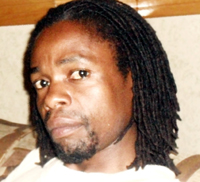
For Zimbabwean journalist Saize, the absurd is routine
For 37-year-old Zimbabwean freelance journalist Sydney Saize, left, enduring arrest and assault has become absurdly routine–and the circumstances routinely absurd. Take his most recent detention, in February. Saize was reporting on a mundane criminal case in Mutare, capital of the diamond-rich Manicaland province, when the story suddenly turned dramatic.
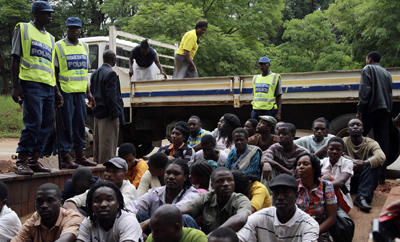
Zimbabwe charges 45 with treason for viewing Egypt footage
The right to receive and impart information is a fundamental human right enshrined in the United Nations’ Universal Declaration of Human Rights, but in Zimbabwe, watching news of North African and Middle East protests apparently amounts to treason.
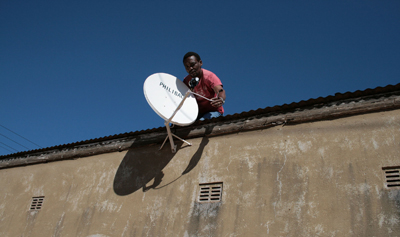
Sub-Saharan Africa censors Mideast protests
As news of Middle Eastern and North African protests swirl around the globe, satellite television and the Internet prove vital sources of information for Africans as governments fearful of an informed citizenry and a free press such as in Eritrea, Equatorial Guinea, and Zimbabwe impose total news blackouts on the developments.
Attacks on the Press 2010: Africa Analysis
Across Continent, Governments Criminalize Investigative Reporting By Mohamed Keita Across the continent, the emergence of in-depth reporting and the absence of effective access-to-information laws have set a collision course in which public officials, intent on shielding their activities, are moving aggressively to unmask confidential sources, criminalize the possession of government documents, and retaliate against probing…
Attacks on the Press 2010: Zimbabwe
Top Developments • Press makes incremental gains as five private publication licenses are granted. • Police, ZANU-PF loyalists harass, assault independent journalists. Key Statistic 0: Broadcast licenses issued to private outlets since 2001. Regulators granted five private publishing licenses, the first in seven years, opening a window for press freedom in this long-oppressed nation. But…