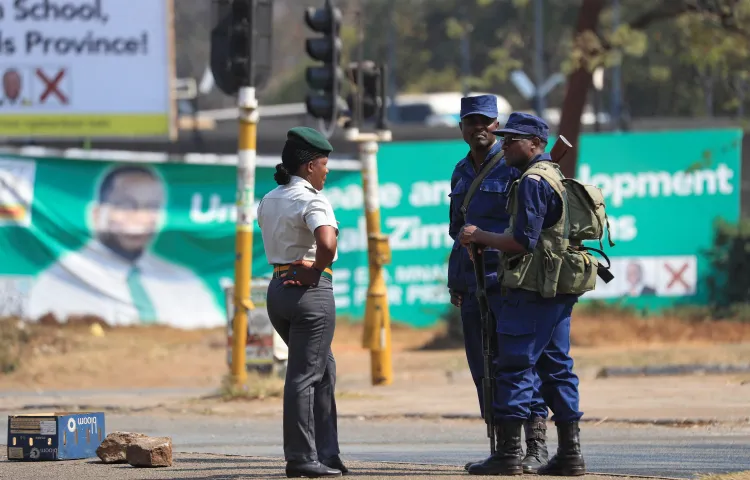
Zimbabwean minister bans 2 journalists from covering government events
Lusaka, March 5, 2024—The minister of state for Zimbabwe’s Midlands Province must immediately rescind an order barring journalists Sydney Mubaiwa and Stephen Chadenga from covering government events, the Committee to Protect Journalists said Tuesday. Officials from the Zimbabwe Gender Commission, a statutory body concerned with gender equality, invited a group of local journalists to cover…
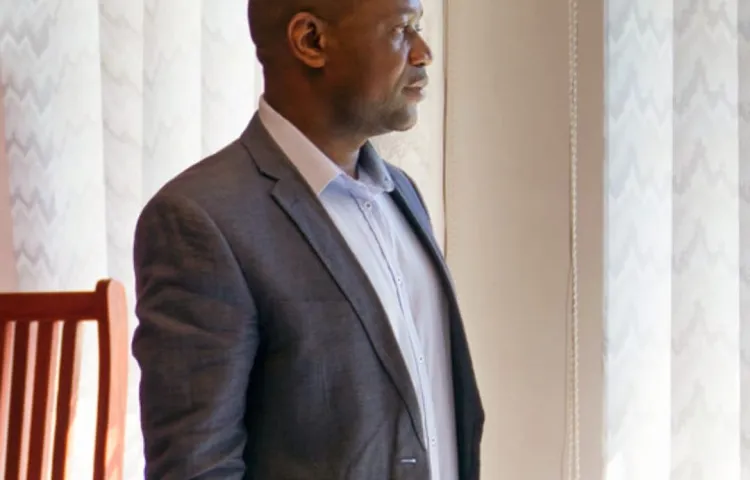
Zimbabwe’s The NewsHawks freezes military story over fears for journalists’ safety
Lusaka, February 22, 2024—Zimbabwean authorities must end the intimidation and surveillance of journalists working for The NewsHawks online newspaper and ensure they can report safely about the military, the Committee to Protect Journalists said on Friday. The NewsHawks, a privately owned investigative online newspaper, announced on Tuesday that it had halted further reporting on its…
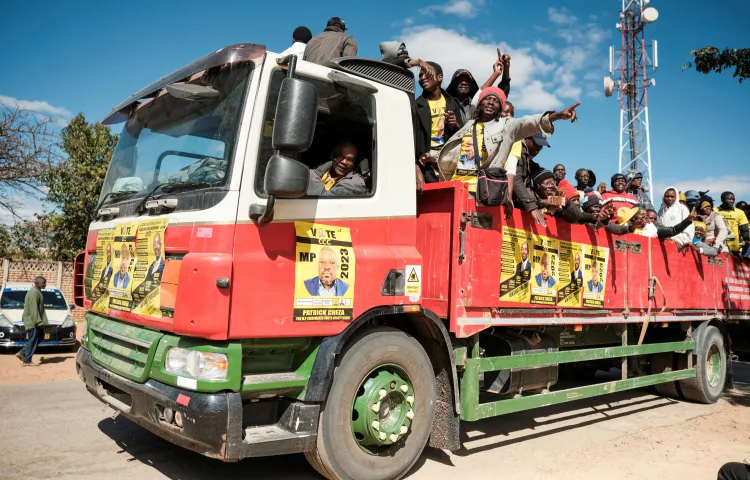
Zimbabwean reporter Columbus Mavhunga faces jail over drone reporting
Lusaka, August 2, 2023—Zimbabwean authorities should immediately drop illegal drone-flying charges against reporter Columbus Mavhunga and ensure that journalists can freely carry out their work without fear of reprisal, the Committee to Protect Journalists said Wednesday. On July 23, police arrested Mavhunga, a correspondent for the U.S. Congress-funded broadcaster Voice of America (VOA), after a…
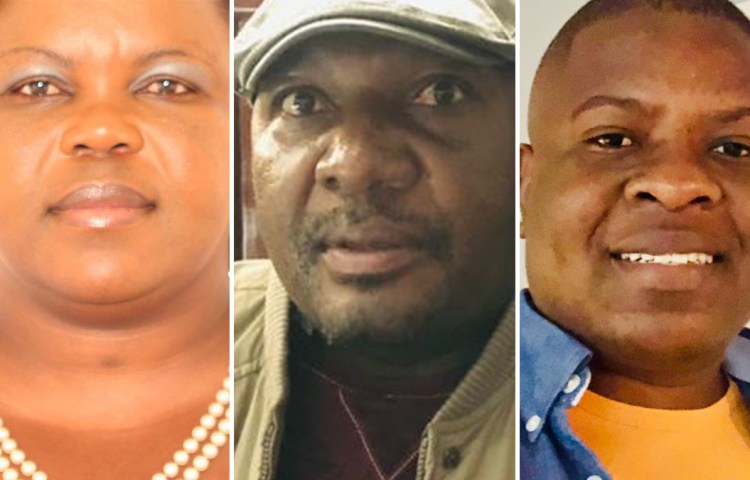
Zimbabwean ruling party supporters assault 3 freelance reporters
Lusaka, July 21, 2023—Zimbabwean authorities should thoroughly investigate the assaults of freelance reporters Annahstacia Ndlovu, Pamenus Tuso, and Lungelo Ndlovu in Bulawayo and hold their attackers to account, the Committee to Protect Journalists said Friday. On Monday, July 17, in Bulawayo’s central business district, a group of people wearing regalia of the ruling Zimbabwe African National Union-Patriotic…
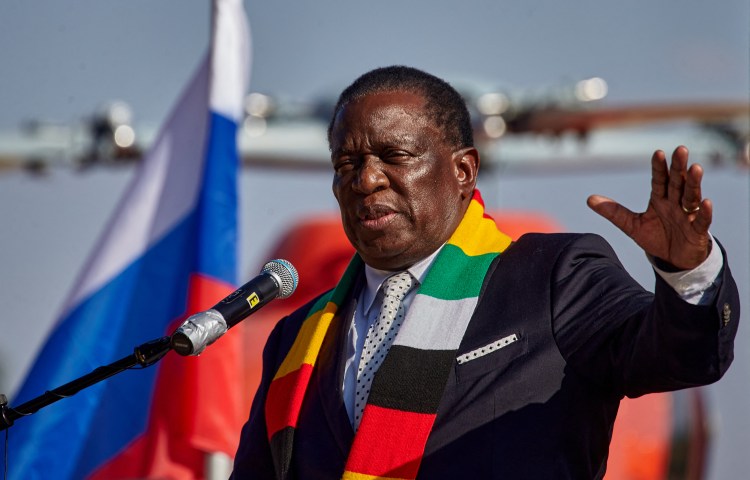
CPJ calls for Zimbabwe president to reject ‘Patriot Bill’ threatening critical journalism
Lusaka, July 3, 2023—Zimbabwe President Emmerson Mnangagwa should not sign into law the overly broad Criminal Law (Codification and Reform) Amendment Bill as it seriously threatens the rights to freedom of expression and media freedom in Zimbabwe, the Committee to Protect Journalists said Monday. On June 7, Zimbabwe’s upper chamber of parliament approved the bill,…
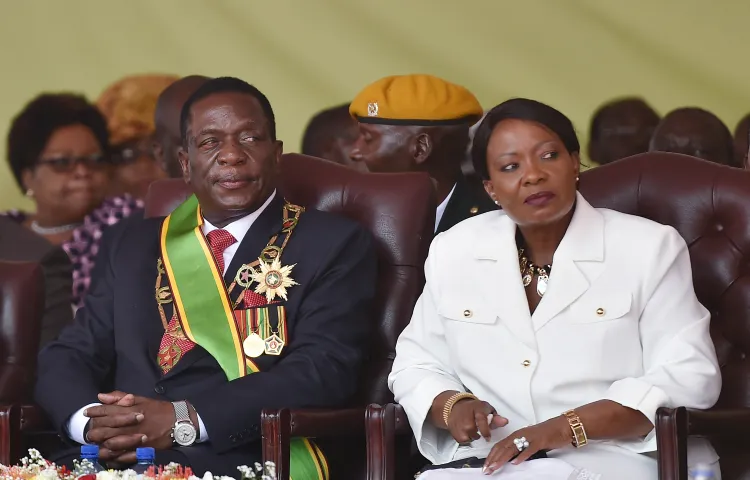
Journalists barred from covering Zimbabwe’s first lady
Lusaka, May 2, 2023—Zimbabwe’s office of the presidency must ensure that all journalists can freely report on First Lady Auxillia Mnangagwa’s public engagements, the Committee to Protect Journalists said Tuesday. On April 24, Mnangagwa’s security aides barred five journalists from covering her visit to the Museum of African Liberation in Harare, according to media reports, a statement by the Zimbabwean chapter of the regional press freedom group Media…
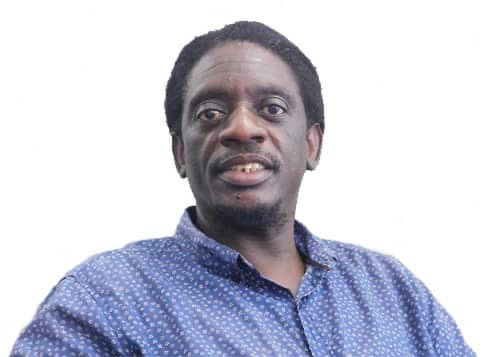
Zimbabwe journalist Garikai Mafirakureva charged with publishing false information
On January 18, 2023, police in the southeastern Zimbabwe city of Masvingo arrested journalist Garikai Mafirakureva, according to media reports, a statement by the Zimbabwean chapter of the regional press freedom group Media Institute of Southern Africa, and Mafirakureva, who spoke to CPJ via messaging app. Authorities charged Mafirakureva, editor of the Masvingo Mirror newspaper,…
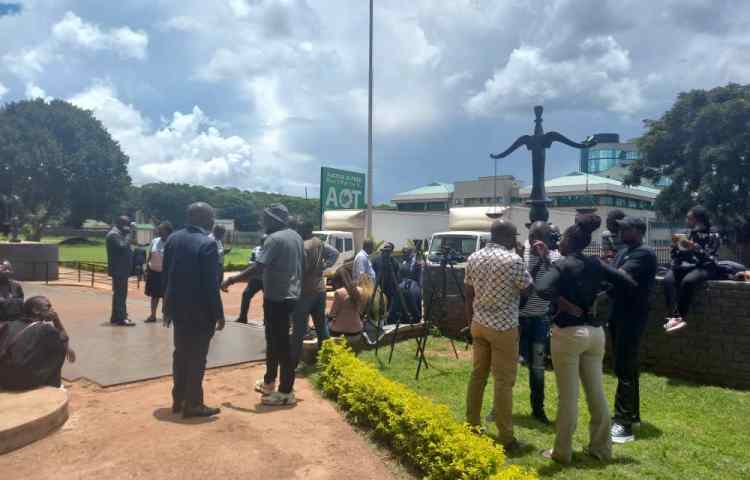
Police bar Zimbabwean journalists from covering opposition activists at court
Lusaka, January 23, 2023—Zimbabwean authorities should immediately investigate the recent barring of journalists from covering a court appearance of an opposition politician and ensure that members of the press are not blocked from doing their jobs, the Committee to Protect Journalists said Monday. Around noon on January 16, in Budiriro, southwest of the capital city…
Zimbabwean opposition party members threaten, obstruct journalists at political meeting
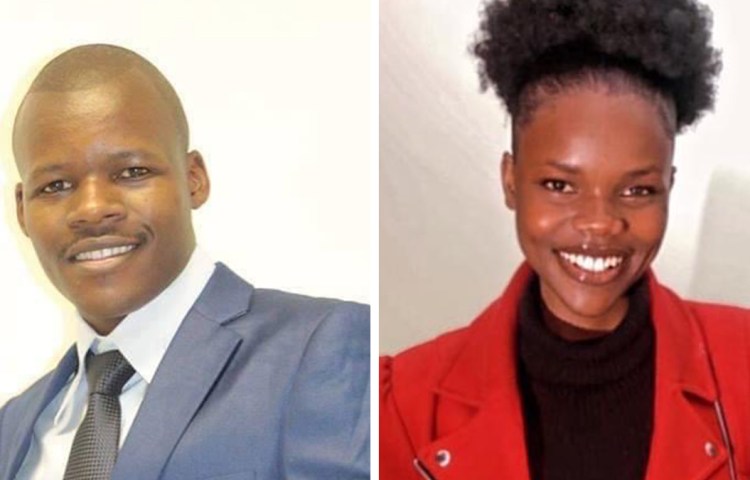
On December 18, 2022, political activists and security personnel affiliated with the Movement for Democratic Change, a Zimbabwean opposition party, threatened a group of journalists covering the party’s meeting in Harare, the capital, according to news reports, a report by the Zimbabwean chapter of the regional press freedom group Media Institute of Southern Africa (MISA),…
Zimbabwean journalists assaulted, harassed, and blocked from covering events
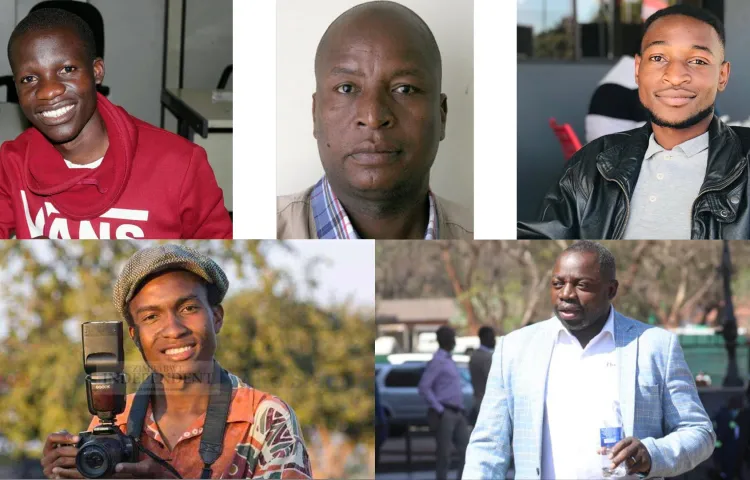
Lusaka, October 13, 2022—Zimbabwean authorities and ruling Zimbabwe African National Union-Patriotic Front (ZANU-PF) should investigate the assaults and harassment of journalists covering events of public interest in the past week, the Committee to Protect Journalists said Thursday. “The increasing cases of violence against journalists in Zimbabwe is becoming a serious source of concern and must…