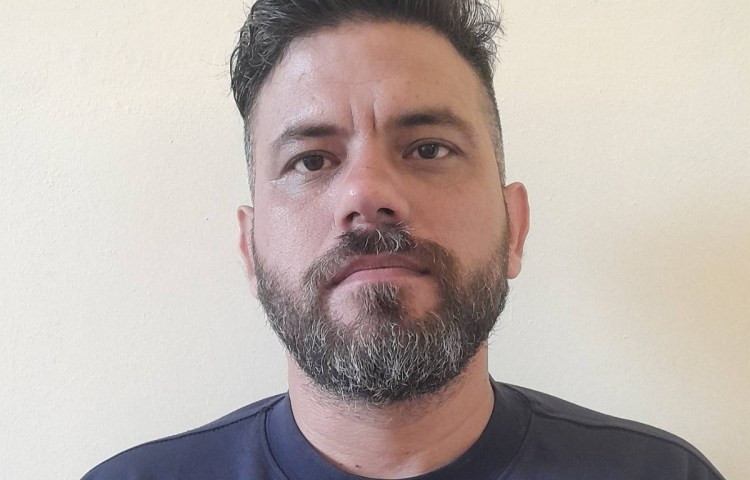
Cuban journalist threatened, interrogated by state security over newsletter
Miami, July 21—The Committee to Protect Journalists (CPJ) calls on the Cuban government to end its harassment of journalist Austin Llerandi of Amanecer Habanero, a non-state media newsletter. Llerandi told CPJ that state security agents came looking for him at his father’s house on July 13 in Havana, demonstrating invasive knowledge of his personal life…
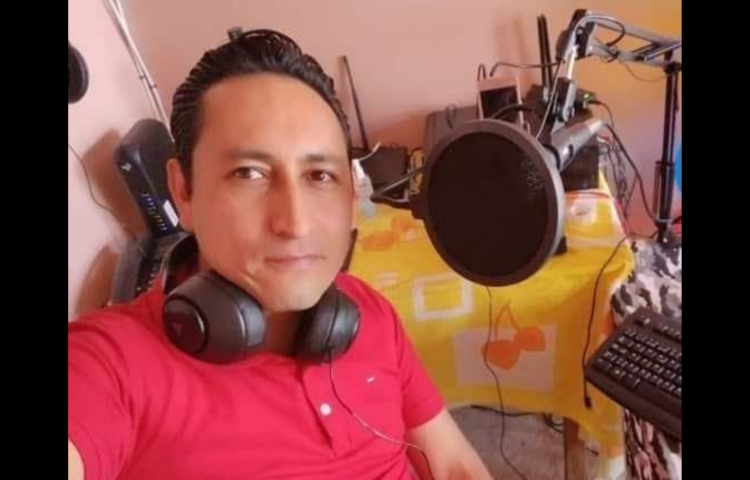
Mexican journalist Josué Martínez shot dead in Puebla, fourth killed in over a month
Mexico City, July 17, 2026—Mexican authorities must swiftly and credibly investigate the killing of 39-year-old Josué Martínez Contreras, who is the fourth Mexican journalist to be killed in the country in just over a month, said the Committee to Protect Journalists on Friday. Martínez, the founder and general director of the Facebook-based news site Noticias…
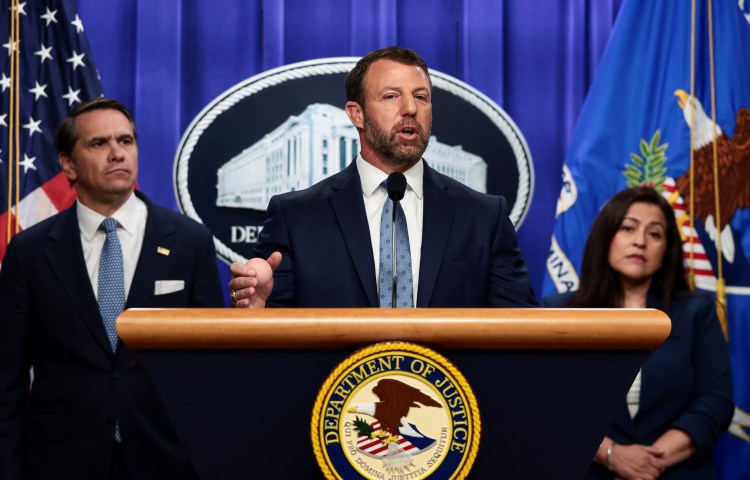
CPJ condemns Trump administration rule restricting international correspondents access to the United States
Washington, D.C., July 16, 2026—The Committee to Protect Journalists strongly condemns the Trump administration’s decision to impose new visa restrictions on international correspondents, abandoning a decades-old policy enabling foreign journalists to report from the United States without fear that their visa status could be weaponized against them. “Under these restrictions, the Trump administration has moved…
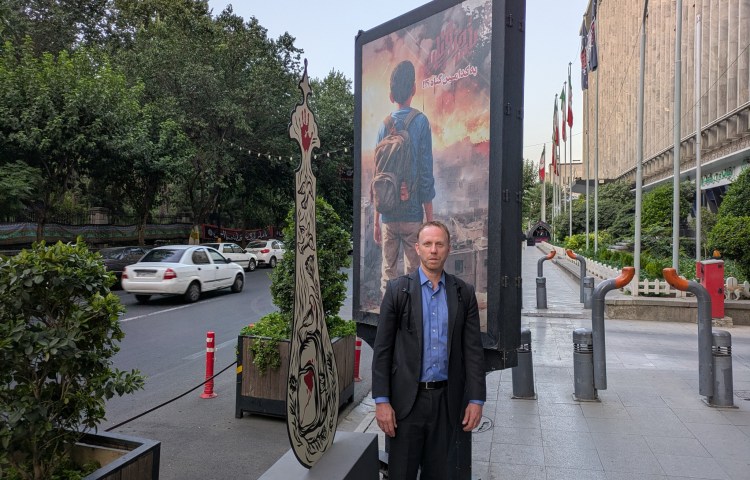
Max Blumenthal, Grayzone founder and editor-in-chief, interrogated over reporting assignment to Iran
Miami, July 15, 2026—The Committee to Protect Journalists (CPJ) is alarmed by reports that journalist Max Blumenthal was interrogated by U.S. Customs and Border Protection (CBP) agents for about two hours at Washington Dulles International Airport on July 11 after returning from a reporting assignment in Iran. Blumenthal, founder and editor-in-chief of the independent news site The Grayzone, told…
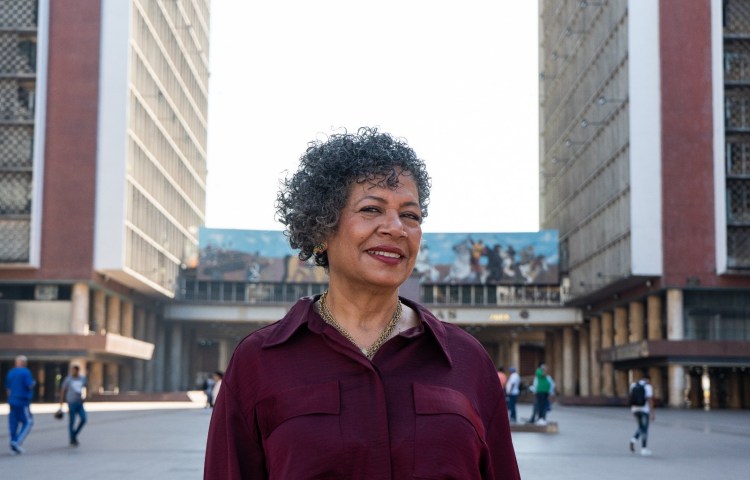
CPJ supports journalist’s testimony on press freedom in Venezuela submitted to US Tom Lantos Human Rights Commission
The Committee to Protect Journalists on Wednesday submitted testimony from Venezuelan journalist Luz Mely Reyes, a recipient of CPJ’s 2018 International Press Freedom Award, to the Tom Lantos Human Rights Commission ahead of its hearing, “Human Rights in Venezuela: Status and Opportunity,” in Washington. Reyes, co-founder and editor of the Venezuelan outlet Efecto Cocuyo, drew…
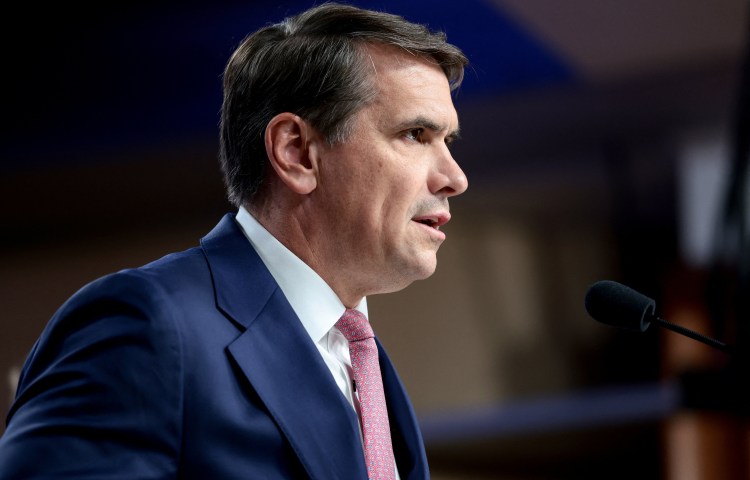
CPJ calls for accountability from Attorney General nominee Todd Blanche over DOJ press freedom violations
Washington, D.C., July 13, 2026—The Committee to Protect Journalists calls on Senate Judiciary Committee members to hold acting Attorney General Todd Blanche accountable by asking about anti-press actions at the Department of Justice during his confirmation hearings this week. On July 10, the Department of Justice (DOJ) issued federal grand jury subpoenas for New York Times reporters…
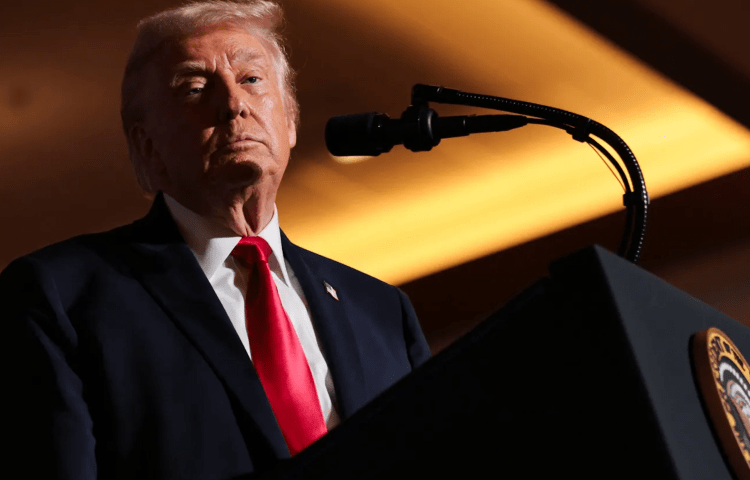
CPJ condemns Trump DOJ’s subpoena of NYT journalists
The Committee to Protect Journalists (CPJ) demands that the Trump administration withdraw subpoenas targeting several reporters from The New York Times after the news outlet reported this week on security concerns involving President Trump’s new Qatari-donated Air Force One. The subpoenas were issued by Jay Clayton, the U.S. attorney in Manhattan, asking that the journalists…
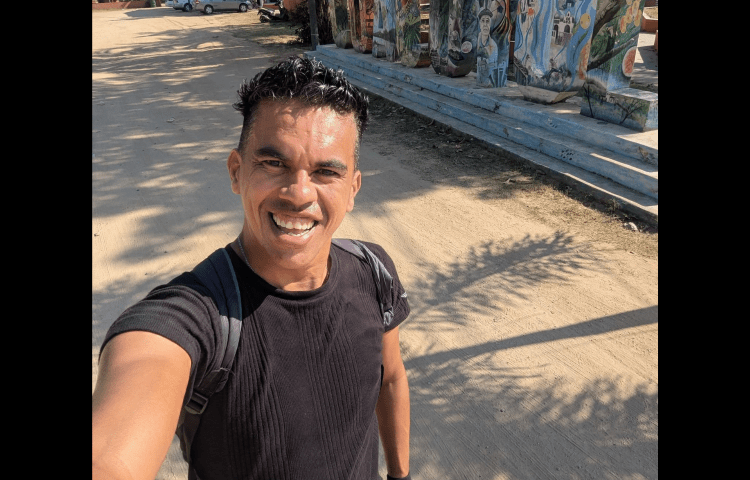
Mexican environmental journalist Alex Serna found dead in Zihuatanejo
Mexico City, July 9, 2026—Mexican authorities must immediately and credibly investigate the killing of environmental journalist and content creator Manuel Alejandro Mora Serna and determine whether he was attacked in relation to his work as a reporter, the Committee to Protect Journalists said Friday. The Guerrero State Human Rights Commission (CDHEG) confirmed in a July…
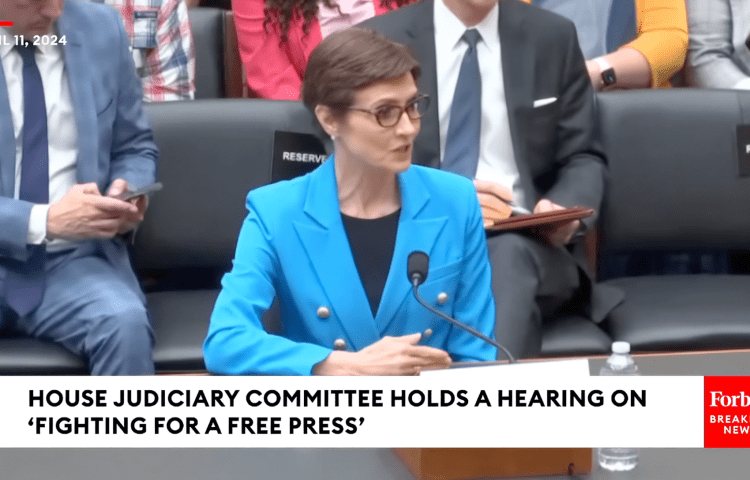
CPJ supports former Fox News journalist’s refusal to reveal reporting sources
The Committee to Protect Journalists stands unequivocally in defense of a free press and in support of Catherine Herridge, a former Fox News reporter, who has been held in civil contempt in Washington, D.C., after declining to reveal sources behind reporting on FBI investigation. “The U.S. District Court for the District of Columbia’s decision to…
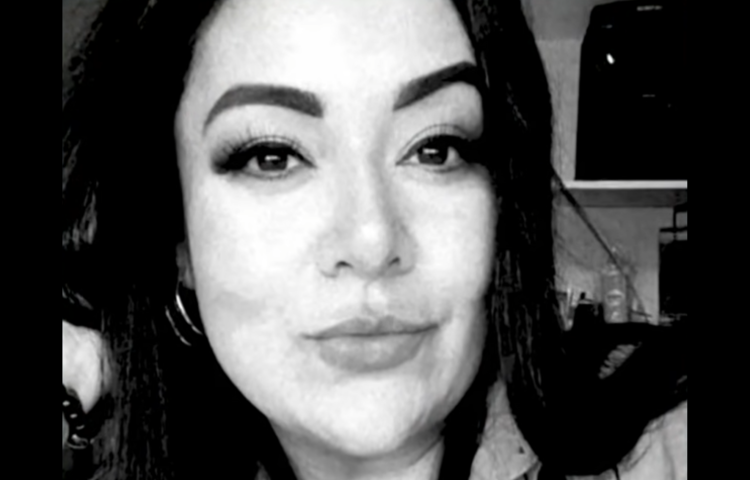
Remains of abducted Mexican journalist Roxana Guzmán identified in Veracruz
Mexico City, July 4, 2026 — Mexican authorities must credibly and transparently investigate the killing of journalist Roxana Berenice Guzmán Rodríguez, determine whether her abduction and killing were related to her work as a journalist, and bring her killers to justice, the Committee to Protect Journalists said Saturday. Unidentified armed attackers abducted Guzmán, the founder…