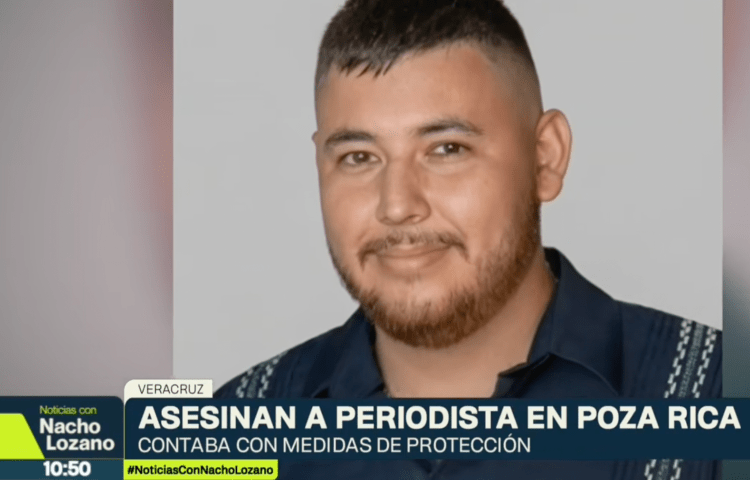
Mexican journalist Luis Ángel López is second killed in Veracruz
Mexico City, June 12, 2026—Mexican authorities must immediately and credibly investigate the killing of journalist Luis Ángel López and determine the motive, the Committee to Protect Journalists said Friday. López was shot and killed around 1 a.m. on June 11, 2026, in Poza Rica, a city in the eastern Mexican state of Veracruz, according to…
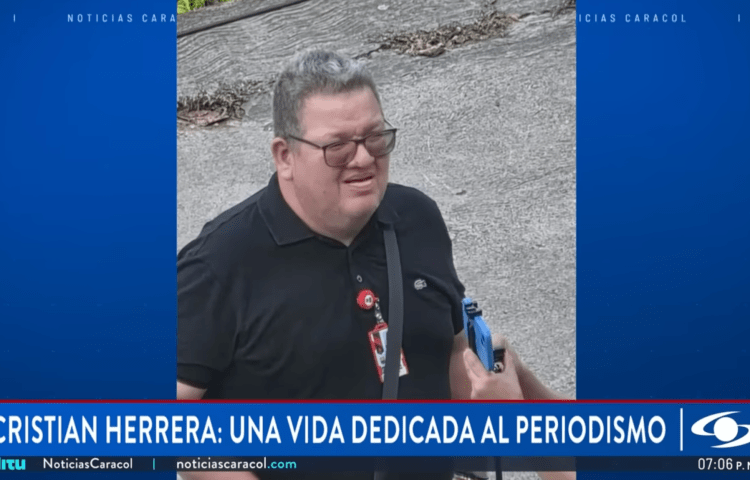
Journalist, press freedom advocate Cristian Herrera Nariño killed in northern Colombia
Bogotá, June 8, 2026—Colombian authorities must swiftly investigate the killing of journalist and press freedom advocate Cristian Herrera Nariño, determine if he was targeted for his work, and bring those responsible to justice, the Committee to Protect Journalists said Monday. On Saturday, June 6, gunmen on a motorcycle shot Herrera outside his home in the northwest…
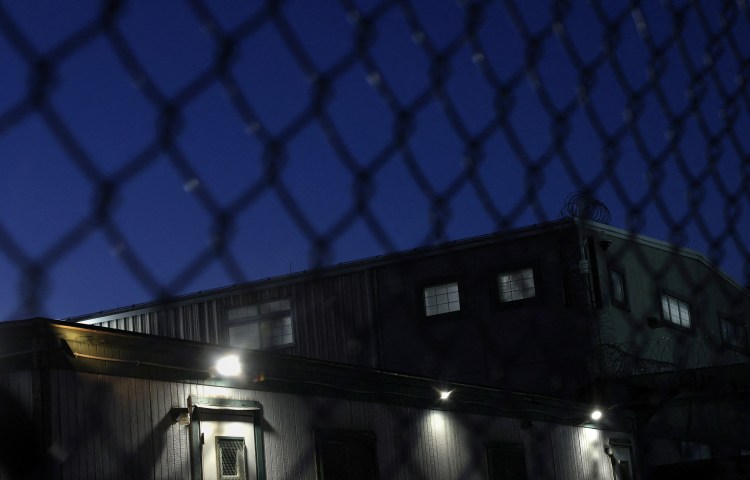
CPJ, partners condemn journalist arrests, assaults at Delaney Hall immigration detention center
The Committee to Protect Journalists and partner organizations issued a statement Friday condemning the May 31 arrest of at least three journalists who were covering protests near the Delaney Hall immigration detention center in Newark, New Jersey. Law enforcement used crowd “kettling” to circle a group of press and protesters, preventing their movement. Police allowed…
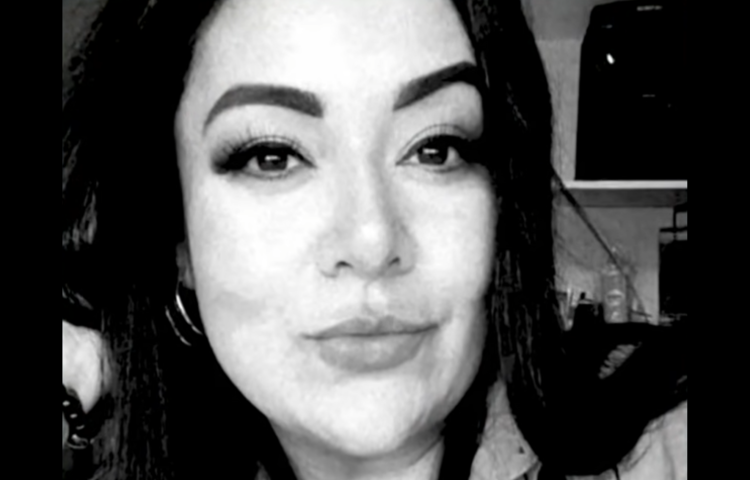
Mexican journalist Roxana Guzmán abducted from home by armed men in Veracruz
Mexico City, June 3, 2026—Mexican authorities must immediately investigate the abduction of journalist Roxana Berenice Guzmán Rodríguez, establish the motive and ensure she is freed unharmed, the Committee to Protect Journalists said Wednesday. Guzmán, the founder and editor of the Facebook-based news website Pulso Informativo del Sureste, was taken by unidentified armed men on Tuesday…
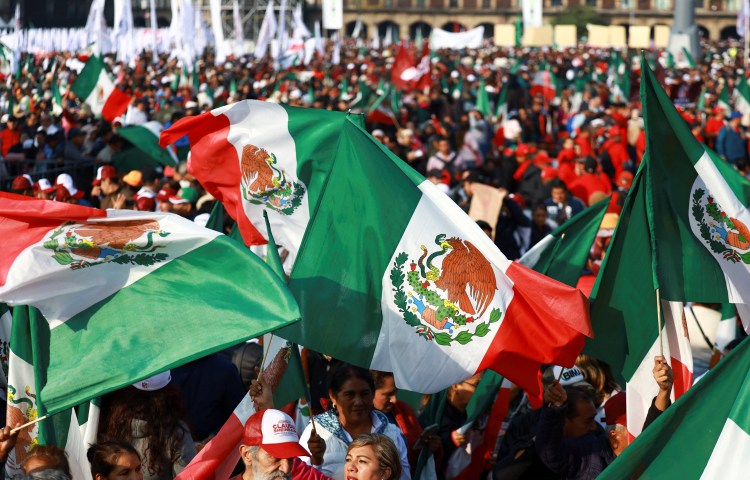
Mexican reporter América Armenta threatened online amid intensifying gang violence in Sinaloa
Mexico City, June 2, 2026—Mexican authorities in the northern state of Sinaloa must swiftly and transparently investigate a Facebook page threatening reporter América Armenta with false accusations of association and take immediate steps to guarantee her safety, the Committee to Protect Journalists said Tuesday. Armenta is a veteran, freelance investigative reporter who has documented corruption,…

Intercept Brasil reporters face harassment, threats in connection with Bolsonaro family coverage
São Paulo, May 29, 2026—The Committee to Protect Journalists condemns the reported harassment of Intercept Brasil journalists in connection with the outlet’s reporting on former Brazilian President Jair Bolsonaro and sons Flávio Bolsonaro and Eduardo Bolsonaro’s connections to jailed Brazilian banker Daniel Vorcaro. “Silencing critical reporting—and attempting to scapegoat the journalists behind it—is no substitute…
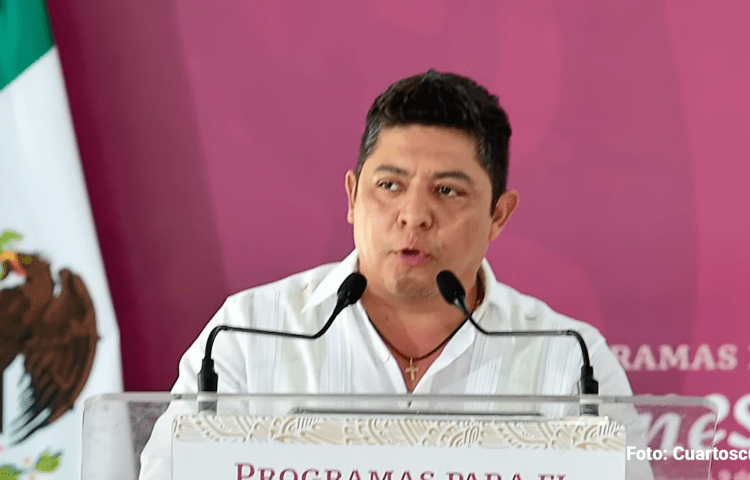
Journalists in Mexican state of San Luis Potosí jailed, indicted over AI-related charges
Guadalajara, May 25, 2026—Authorities in the Mexican state of San Luis Potosí should immediately release journalists Eréndira Reyes and daughter Alejandra Hermosillo, and drop all criminal charges against them over the alleged illegal use of artificial intelligence (AI), the Committee to Protect Journalists said Monday. Two reporters, asking to remain anonymous for safety reasons, alerted…
CPJ, partners file amicus brief to protect encryption from Pegasus spyware
The Committee to Protect Journalists joined 10 other civil society organizations in filing an amicus brief in the U.S. Ninth Circuit Court of Appeals on Wednesday calling for the safeguarding of encryption from NSO Group’s Pegasus spyware to prevent the surveillance of journalists and other human rights defenders. In the brief, which was led by…
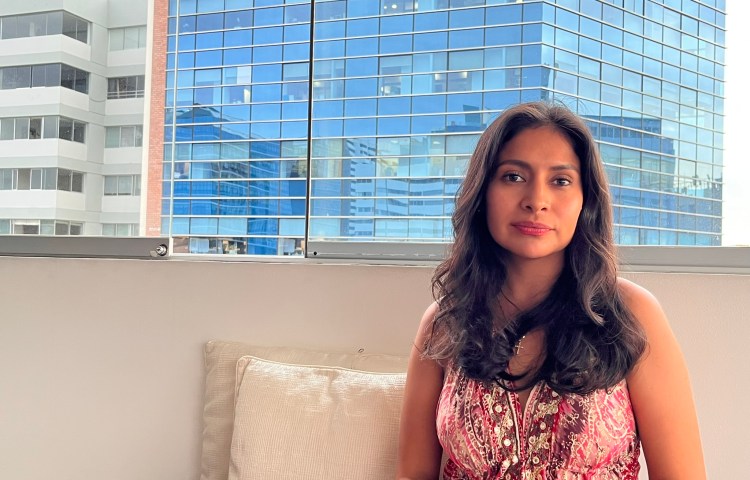
Peruvian journalists face threats, death amid country’s democratic backsliding
Peruvian journalist Geraldine Santos is only 30 years old, and she is already preparing for her funeral. Santos says she has received so many threats while reporting on cocaine trafficking and environmental crimes in the Amazon jungle that she has arranged for her family to contact a government source who, in case Santos is murdered,…
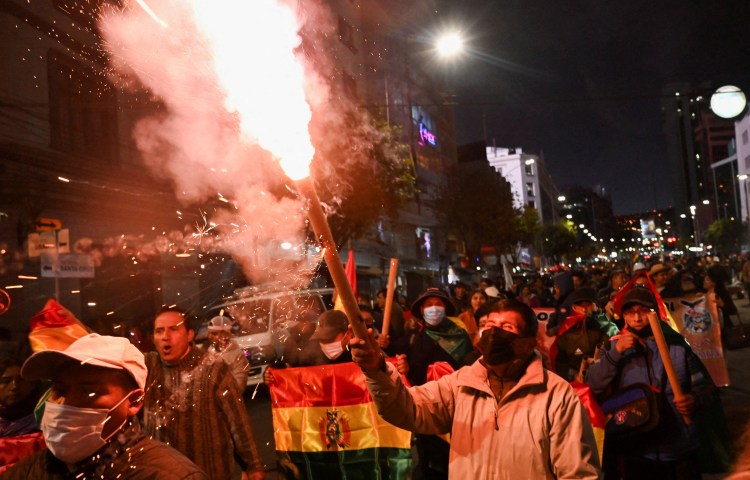
Bolivian journalists injured, harassed by anti-government protesters
Bogotá, May 21, 2026–Bolivian authorities must thoroughly investigate violent attacks on journalists covering a wave of anti-government demonstrations, including against cameraman Hugo Machicado of private broadcaster Gigavision, and hold those responsible to account, the Committee to Protect Journalists said Thursday. On Monday, Machicado was injured in the legs by shrapnel from dynamite detonated by protesters in the capital La Paz…