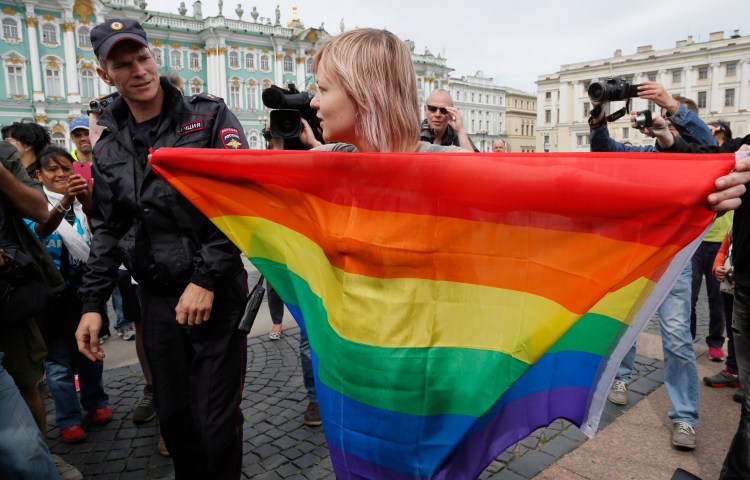
The high price journalists paid for LGBTQ+ reporting, and how to protect yourself now
As LGBTQ+ communities celebrate Pride this June, many journalists continue to face an ugly reality: simply reporting on this community can open them up to prosecution, physical attacks, threats, arrest, exile, and even death. Avijit Roy, a Bangladeshi-born American who blogged about LGBTQ+ rights and free expression, was stabbed to death alongside his wife after…

CPJ, 230 partners condemn report seeking to criminalize Peruvian journalist Gustavo Gorriti’s investigation
The Committee to Protect Journalists joined more than 230 journalists and press freedom organizations from 18 countries, in a statement calling on the Peruvian attorney general to reject a report recommending criminal charges against Peruvian investigative journalist and 1998 IPFA awardee Gustavo Gorriti, director of investigative news site IDL-Reporteros. The Peruvian Congress approved the final report…
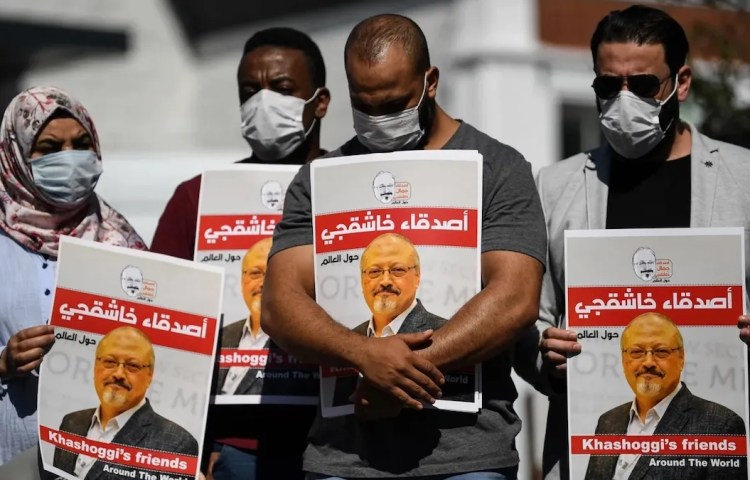
World Refugee Day 2026: Supporting journalists in exile amid transnational repression
World Refugee Day draws attention to journalists who have been forced to flee their home countries due to threats, conflict, or repression. While exile is now recognized as a growing reality for journalists worldwide, the experiences of journalists CPJ supported last year reflect the reality that relocation does not necessarily bring safety. Increasingly, journalists in…
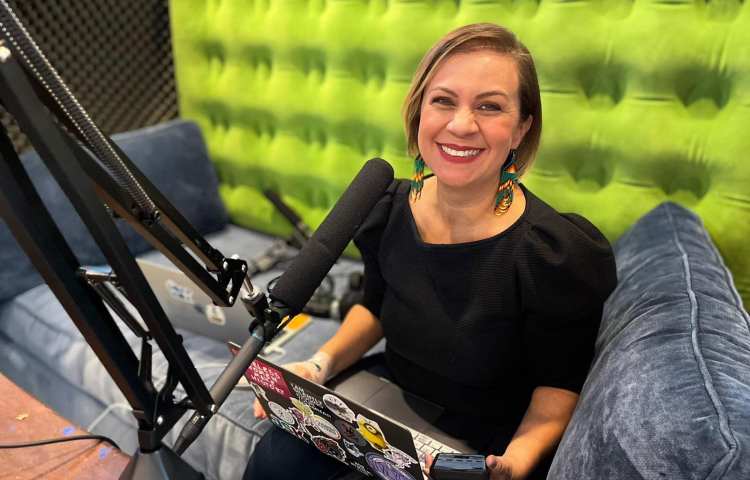
News leader Maritza Félix on covering immigration in Arizona
Since President Donald Trump’s return to office, immigration enforcement in the United States has accelerated sharply, creating new and serious obstacles for journalists covering these policy impacts on local communities. The Committee to Protect Journalists has documented the use of immigration authorities to target reporters, including journalists who were in the country legally at the…
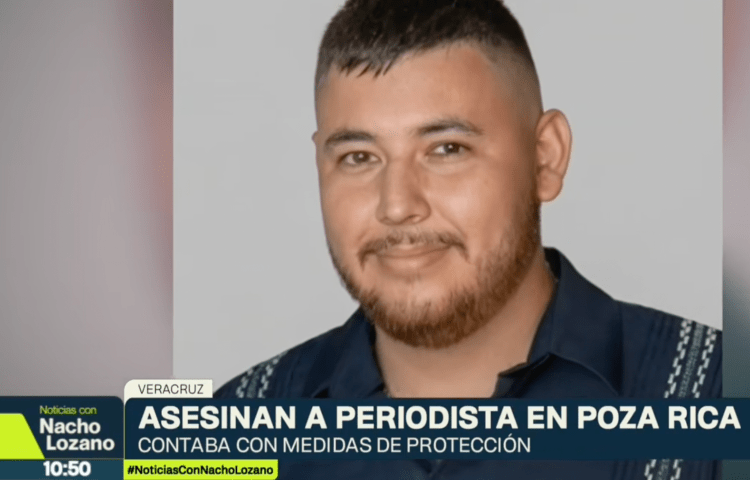
Mexican journalist Luis Ángel López is second killed in Veracruz
Mexico City, June 12, 2026—Mexican authorities must immediately and credibly investigate the killing of journalist Luis Ángel López and determine the motive, the Committee to Protect Journalists said Friday. López was shot and killed around 1 a.m. on June 11, 2026, in Poza Rica, a city in the eastern Mexican state of Veracruz, according to…
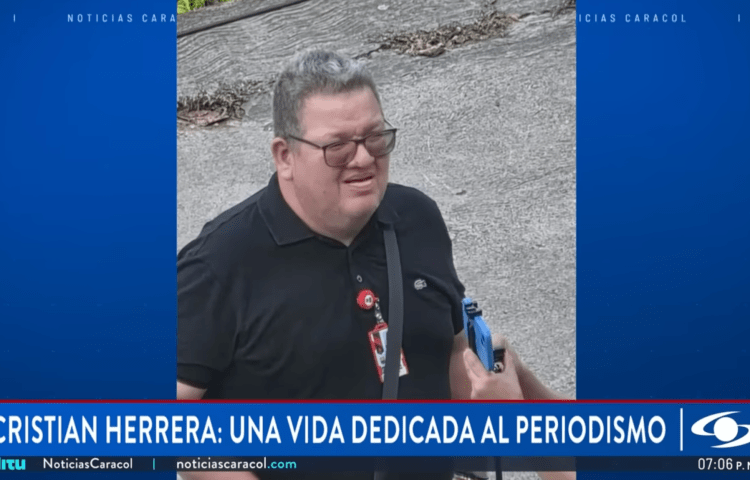
Journalist, press freedom advocate Cristian Herrera Nariño killed in northern Colombia
Bogotá, June 8, 2026—Colombian authorities must swiftly investigate the killing of journalist and press freedom advocate Cristian Herrera Nariño, determine if he was targeted for his work, and bring those responsible to justice, the Committee to Protect Journalists said Monday. On Saturday, June 6, gunmen on a motorcycle shot Herrera outside his home in the northwest…
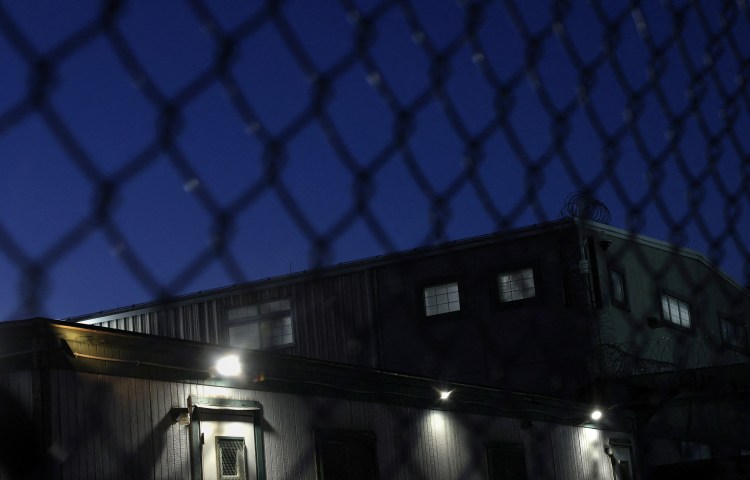
CPJ, partners condemn journalist arrests, assaults at Delaney Hall immigration detention center
The Committee to Protect Journalists and partner organizations issued a statement Friday condemning the May 31 arrest of at least three journalists who were covering protests near the Delaney Hall immigration detention center in Newark, New Jersey. Law enforcement used crowd “kettling” to circle a group of press and protesters, preventing their movement. Police allowed…
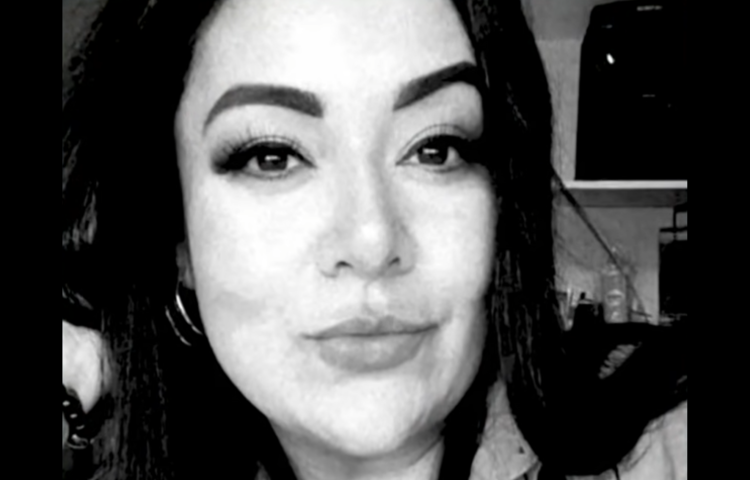
Mexican journalist Roxana Guzmán abducted from home by armed men in Veracruz
Mexico City, June 3, 2026—Mexican authorities must immediately investigate the abduction of journalist Roxana Berenice Guzmán Rodríguez, establish the motive and ensure she is freed unharmed, the Committee to Protect Journalists said Wednesday. Guzmán, the founder and editor of the Facebook-based news website Pulso Informativo del Sureste, was taken by unidentified armed men on Tuesday…
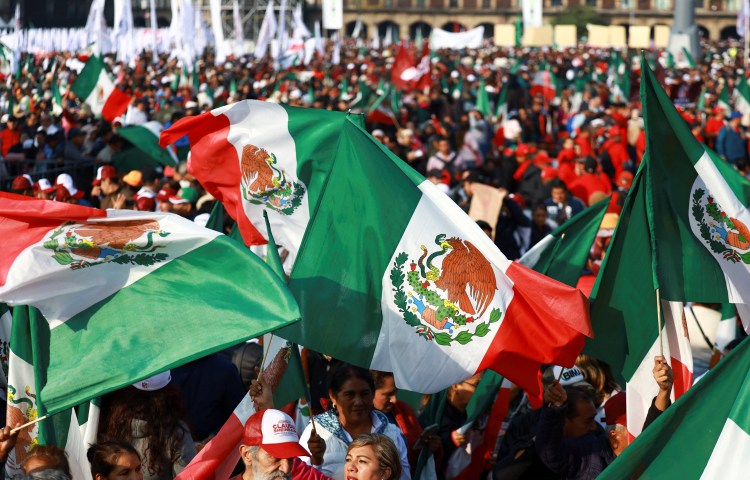
Mexican reporter América Armenta threatened online amid intensifying gang violence in Sinaloa
Mexico City, June 2, 2026—Mexican authorities in the northern state of Sinaloa must swiftly and transparently investigate a Facebook page threatening reporter América Armenta with false accusations of association and take immediate steps to guarantee her safety, the Committee to Protect Journalists said Tuesday. Armenta is a veteran, freelance investigative reporter who has documented corruption,…

Intercept Brasil reporters face harassment, threats in connection with Bolsonaro family coverage
São Paulo, May 29, 2026—The Committee to Protect Journalists condemns the reported harassment of Intercept Brasil journalists in connection with the outlet’s reporting on former Brazilian President Jair Bolsonaro and sons Flávio Bolsonaro and Eduardo Bolsonaro’s connections to jailed Brazilian banker Daniel Vorcaro. “Silencing critical reporting—and attempting to scapegoat the journalists behind it—is no substitute…