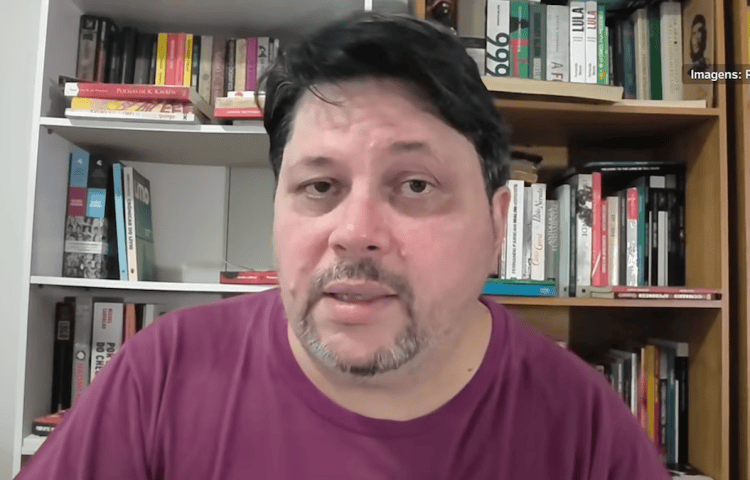
CPJ condemns Argentina’s deportation of Brazilian journalist Rogério Tomaz Jr.
São Paulo, October 14, 2026—The Committee to Protect Journalists condemns the October 12 deportation of Brazilian journalist Rogério Tomaz Jr. by Argentinian authorities at the Jorge Newbery international airport in Buenos Aires over allegations that his residential visa was no longer valid. “It is outrageous that the Argentinian government is using deportation to silence critical…
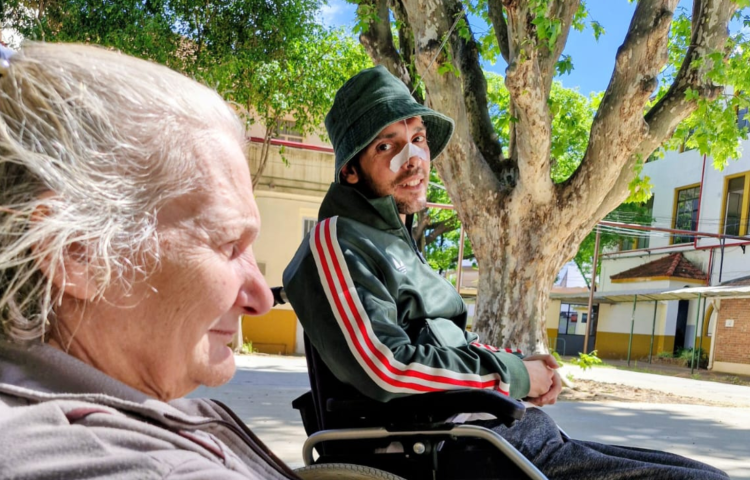
Argentinian journalism stifled by President Milei’s public attacks, government repression
When a tear gas cartridge fired by a policeman struck independent Argentinian photographer Pablo Grillo in the head while he was covering a pensioner protest in Buenos Aires on March 12, 2025, a line was crossed in the country’s deteriorating relationship between President Javier Milei’s administration and the press, according to Agustín Lecchi, the general secretary at…
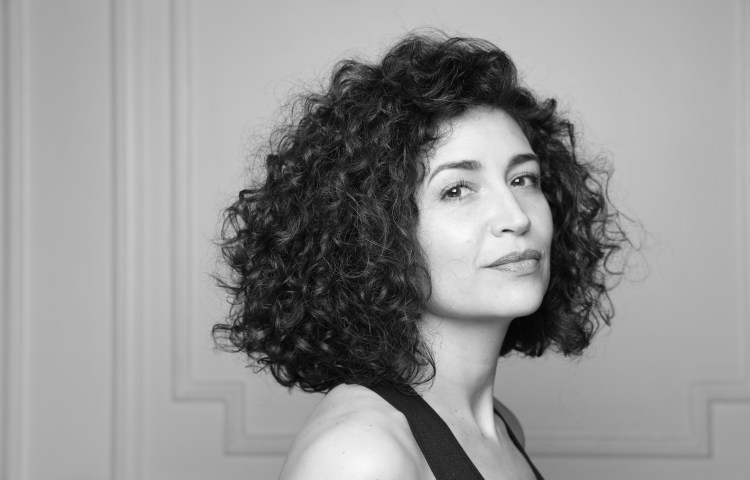
Argentinian journalist waiting to fight President Milei in court after deepfake pornography bullying scandal
Journalist Julia Mengolini, founder and director of radio station Futuröck, caught widespread attention last summer after suing Argentinian President Javier Milei and more than 20 people connected to his administration, accusing them of “unlawful association, embezzlement of public funds, coercive threats,” and “public incitement to hatred.” A judge has yet to take up the case, Mengolini told CPJ….

CPJ calls on Argentine authorities to investigate after photographer gravely injured covering protest
São Paulo, March 18, 2025—Argentine authorities should hold to account police officers who injured independent photographer Pablo Grillo, who was struck in the head by a tear gas cartridge during a March 12 pensioner protest in Buenos Aires that was suppressed by police, the Committee to Protect Journalists said on Tuesday. “Photographer Pablo Grillo was peacefully working…

CPJ, 24 other organizations release report on state censorship in the Americas
Twenty-four civil society organizations working in seven Latin American countries, including the Committee to Protect Journalists, released a November 2024 report titled “Impact of state censorship measures on the right to freedom of expression in the Americas,” which included information provided during the 190th regular session of the Inter-American Commission on Human Rights (IACHR) in July 2024. The press freedom groups work in Argentina, Brazil, Colombia, El Salvador,…
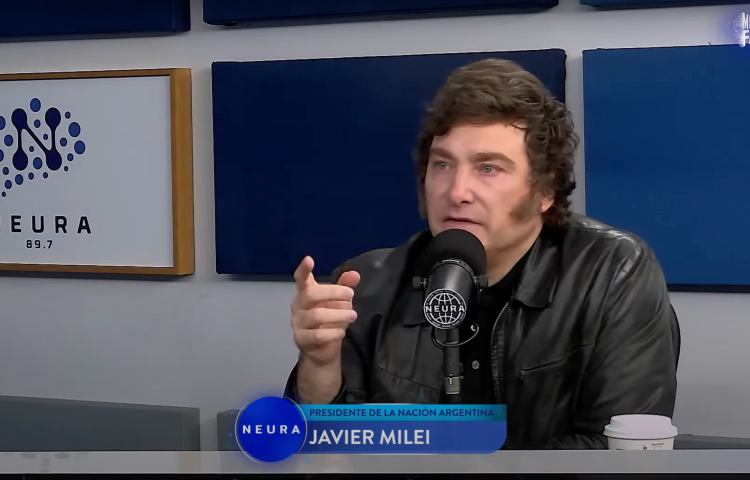
CPJ urges Argentine President Javier Milei to end attacks on press freedom
São Paulo, April 30, 2024—Argentine President Javier Milei and his administration must immediately refrain from attacking press freedom, stigmatizing journalists, and allow journalists to do their jobs freely and without restrictions, the Committee to Protect Journalists said on Tuesday. During his first 100 days in office, a report by FOPEA, a local press freedom organization, found that…
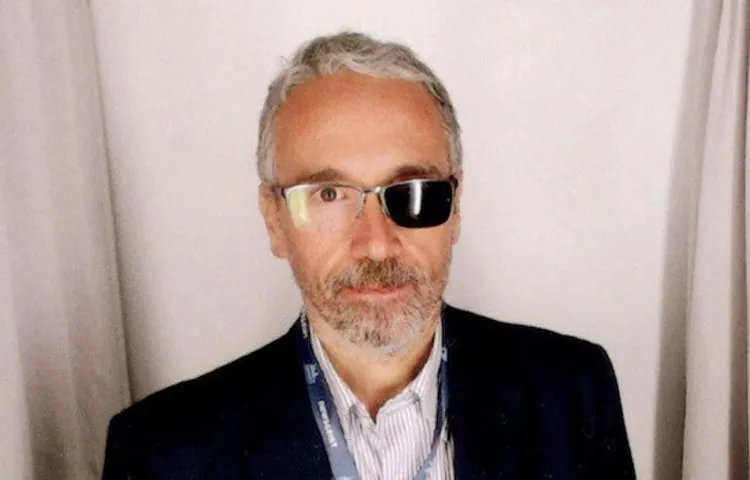
Argentine journalist gets death threats after reporting on illegal medication sales
São Paulo, April 12, 2024—Argentine authorities must thoroughly investigate the death threats received by journalist Julio Ernesto López on his father’s cell phone, the Committee to Protect Journalists said on Friday. According to an April 5 post on X, formerly Twitter, by the Association of Argentine Press Companies (ADEPA), a professional association, and a complaint…
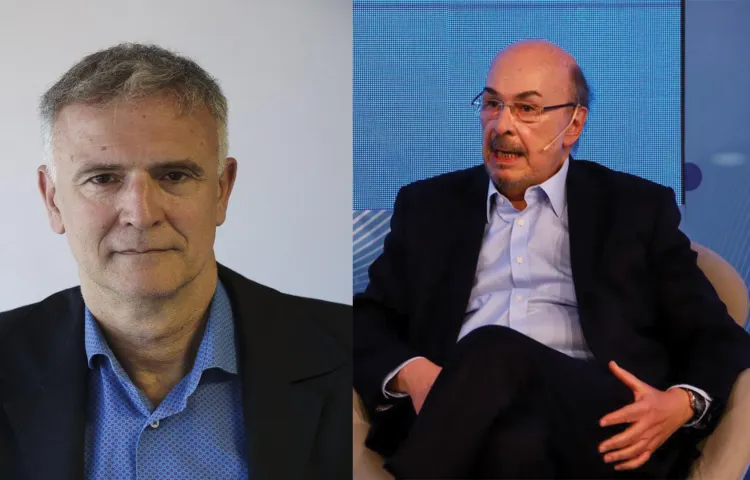
Argentine intelligence agency sues journalists, newspapers over naming agents
Bogotá, January 23, 2023—Argentine authorities should drop the lawsuit filed against journalists Joaquín Morales Solá and Daniel Santoro and their newspapers, and refrain from prosecuting members of the press in retaliation for their work, the Committee to Protect Journalists said Monday. On January 4, Argentina’s Federal Intelligence Agency, known as the AFI, filed a criminal…
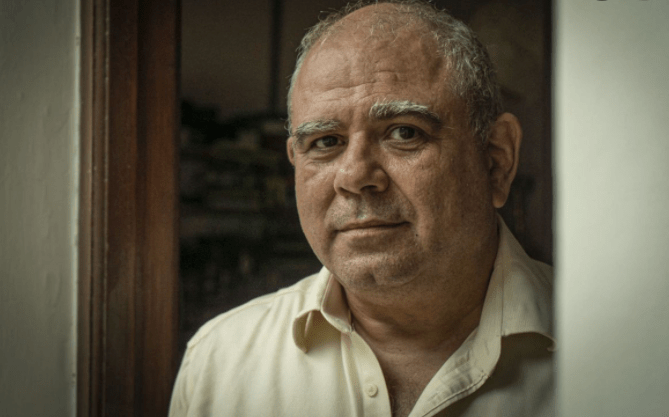
Argentine court orders journalist Santiago O’Donnell to turn over interviews of former president’s brother
Miami, January 6, 2022 – Argentine authorities should drop their order for journalist Santiago O’Donnell to surrender his interview recordings, the Committee to Protect Journalists said today. O’Donnell, who wrote a 2020 book based on interviews with Mariano Macri, the brother of former President Mauricio Macri, has faced a court order since early 2021 to…
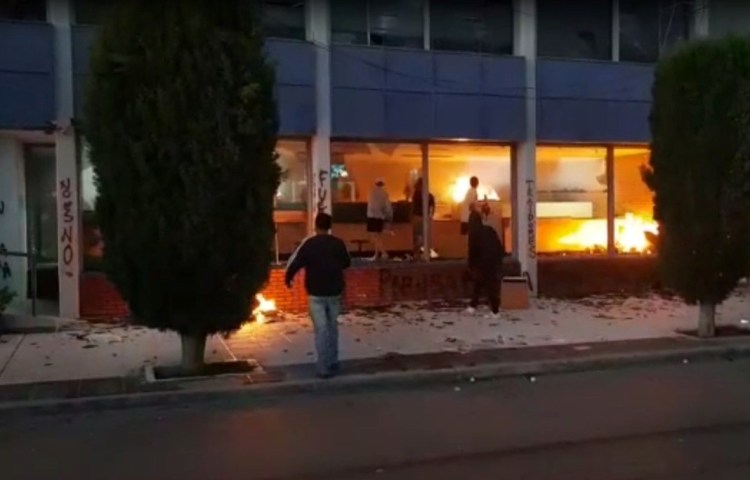
Argentine newspaper El Chubut offices torched, ransacked amid protests
Miami, December 23, 2021 — Argentine authorities should immediately investigate the recent attack on the headquarters of the El Chubut newspaper and hold those responsible to account, the Committee to Protect Journalists said today. At around 8:40 p.m. on December 20, a group of unidentified people gathered at the newspaper’s headquarters in the city of Trelew,…