
Intercept Brasil reporters face harassment, threats in connection with Bolsonaro family coverage
São Paulo, May 29, 2026—The Committee to Protect Journalists condemns the reported harassment of Intercept Brasil journalists in connection with the outlet’s reporting on former Brazilian President Jair Bolsonaro and sons Flávio Bolsonaro and Eduardo Bolsonaro’s connections to jailed Brazilian banker Daniel Vorcaro. “Silencing critical reporting—and attempting to scapegoat the journalists behind it—is no substitute…
CPJ welcomes Brazilian Supreme Court ruling in favor of journalist blinded by rubber bullet
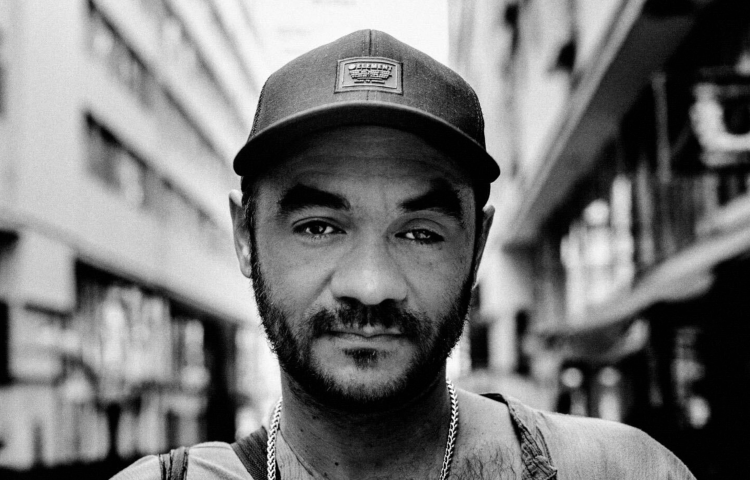
São Paulo, April 30, 2026—The Brazilian Federal Supreme Court ordered the state of São Paulo to pay $20,000 in moral damage compensation and a lifetime pension to freelance photojournalist Sergio Andrade da Silva, who lost sight in his left eye after being struck by a rubber bullet fired by the police during a protest on June 13, 2013. “This…
CPJ urges Brazilian authorities to return equipment seized from journalist in Maranhão
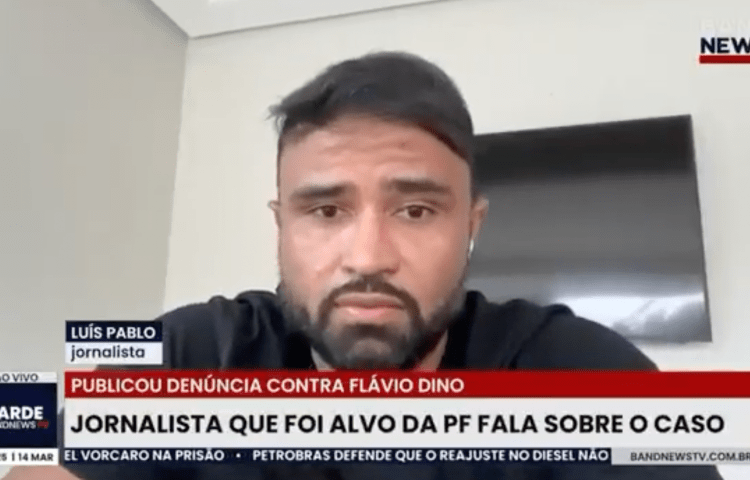
São Paulo, March 16, 2026—The Committee to Protect Journalists calls on the Brazilian authorities to end the police investigation against journalist Luís Pablo Conceição Almeida, known as Luís Pablo, and return personal equipment seized from his house on March 10 by order of the Supreme Federal Court (STF) Judge Alexandre de Moraes. The Federal Police raided Luís…
Widow of murdered reporter Dom Phillips empowers young Indigenous leaders to defend the rainforest
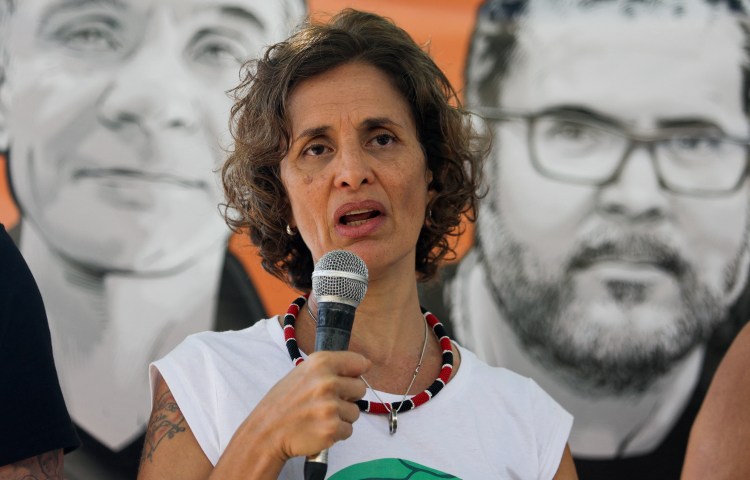
After British climate journalist Dom Phillips was found dead in Amazonas’ state Javary Valley region on June 15, 2022, his widow, Alessandra Sampaio, set out to finish his most important work, compiled in the new book “How to Save the Amazon.” Now she is helping prepare a new generation of Indigenous leaders to continue their fight to defend the…

CPJ, partners condemn the Bolsonaro administration’s surveilling of journalists in Brazil
The Coalition in Defense of Journalism (CDJor), which the Committee to Protect Journalists is a member, strongly condemns the 2019-2022 Bolsonaro administration’s use of the Brazilian Intelligence Agency to surveil journalists, media outlets, and civil society organizations. Details on the depth of administration’s surveillance of journalists came to light after Brazil’s Federal Supreme Court unsealed…

CPJ signs manifesto remembering 3rd anniversary of Dom Phillips killing
The Committee to Protect Journalists joined other 49 civil society organizations and journalists in a manifesto organized by the Javari Valley Indigenous People Union (UNIVAJA) to remember the third anniversary of British journalist Dom Phillips and Indigenous expert Bruno Pereira killings on June 5, 2022, in the Brazilian state of Amazonas. Issued on World Environment…
Brazilian reporter’s personal information, photos leaked following investigative work
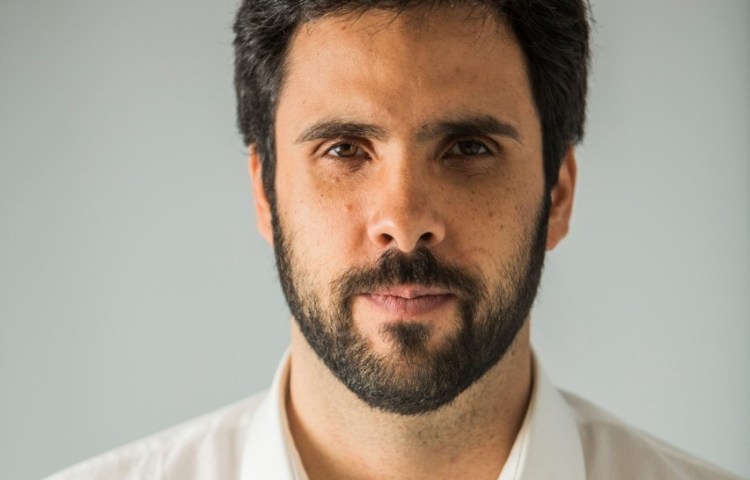
São Paulo, March 20, 2025—The Committee to Protect Journalists calls on Brazilian authorities to swiftly and comprehensively investigate the leaking of UOL news journalist Thiago Herdy’s personal information and photos online following his investigative series on alleged emergency works contract irregularities in the municipality of São Paulo. “It is clear that posting details of Thiago Herdy’s private life on…
CPJ, partners report uptick in targeted attacks on minority journalists during 2024 Brazilian election campaign
Gender bias attacks escalate online for female journalists São Paulo, December 12, 2024—Female journalists experienced the majority of online and offline attacks against the press during the 2024 Brazilian municipal elections, found a report published today by the Coalition in Defense of Journalism (CDJor), a coalition of civil society organizations working to protect press freedom…

CPJ, 24 other organizations release report on state censorship in the Americas
Twenty-four civil society organizations working in seven Latin American countries, including the Committee to Protect Journalists, released a November 2024 report titled “Impact of state censorship measures on the right to freedom of expression in the Americas,” which included information provided during the 190th regular session of the Inter-American Commission on Human Rights (IACHR) in July 2024. The press freedom groups work in Argentina, Brazil, Colombia, El Salvador,…
CPJ, others reject 7-year prison sentence for Brazilian journalist over blog
The Committee to Protect Journalists joined the 10 other members of Brazil’s Coalition in Defense of Journalism in condemning the August 12 sentencing of journalist Ricardo Antunes to seven years in prison for slander, libel, and defamation after he published five blog posts about a businessman. The posts dealt with an investigation into an alleged…