CPJ, others warn against censorship attempt from former Brazilian attorney general
The Committee to Protect Journalists (CPJ) joined eight other press freedom organizations in an April 19 statement urging the Brazilian Supreme Court to dismiss the case against journalist André Barrocal filed by former attorney general Augusto Aras. Aras filed a defamation case against Barrocal in response to the reporter’s July 2020 article about Aras’s performance,…
CPJ signs joint statement expressing concern over injunction in favor of alleged murderers of Brazilian journalist
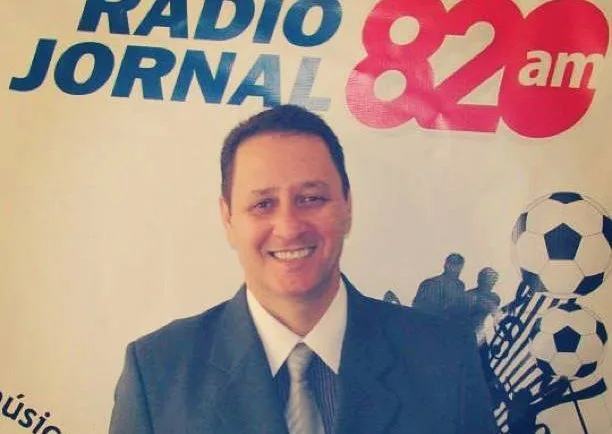
CPJ joined six Brazilian press freedom and advocacy organizations in a joint statement expressing concern about the Superior Court of Justice (STJ) injunction on February 28 that annulled the trial of four alleged murderers of journalist Valério Luiz de Oliveira. The statement urged the court to accept the prosecution’s motion for clarification, reverse its decision,…
CPJ signs joint statement expressing concern over police operation against journalists in Brazil
CPJ joined eight Brazilian press freedom and advocacy organizations in a joint statement expressing extreme concern about a police investigation called “Operation Fake News,” launched on February 6, 2024, when police seized the computers and phones of Enock Cavalcante and Alexandre Aprá, journalists with the news website Isso É Notícias. The investigation was the result…
CPJ calls for Brazilian journalist Schirlei Alves to be spared jail over rape trial report
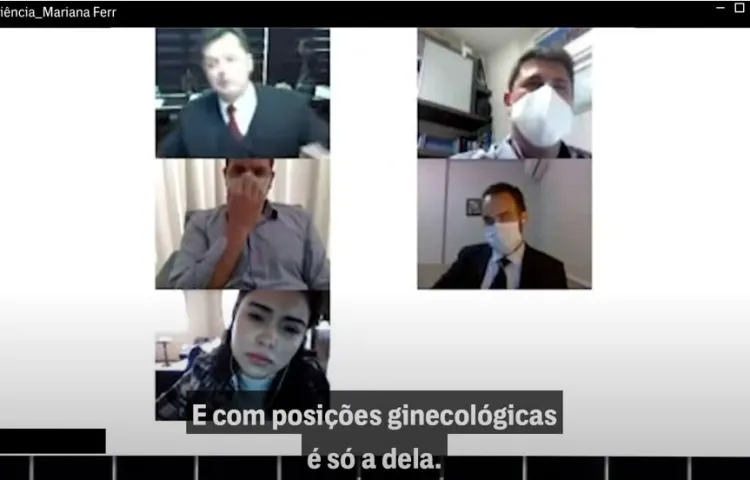
São Paulo, November 22, 2023—The Committee to Protect Journalists called on Brazil’s courts to overturn a one-year jail sentence given to journalist Schirlei Alves for her reporting on the mistreatment of a woman during a high-profile rape trial. On November 15, Alves, a freelance journalist, was sentenced to a year in prison and ordered to…
Local politician attacks journalist in Brazil
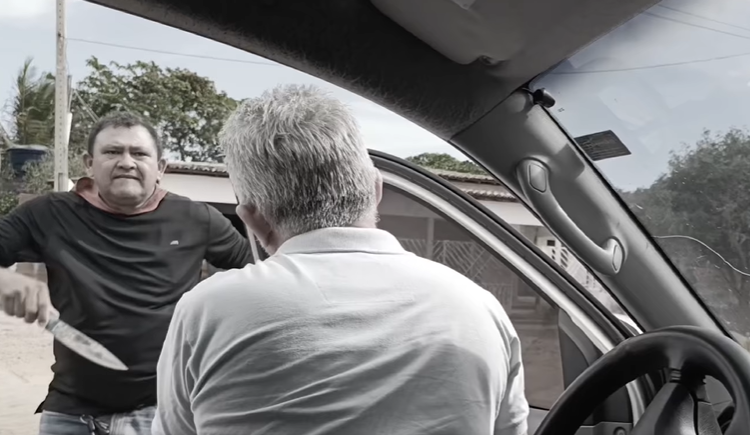
São Paulo, November 7, 2023—Brazilian authorities should investigate a councilor’s October 23 attack on journalist Godofredo Brito while he was reporting and hold those responsible to account, the Committee to Protect Journalists said Tuesday. Brito was arriving in his car to report on a public paving project in Cocal, a municipality in the northeastern state…
Faces of impunity across the world
CPJ’s 2023 Global Impunity Index lists the top 12 countries where the murderers of journalists go free. But impunity knows no borders. The mosaic below shows the faces of slain journalists around the world. Beneath each journalist’s photo is the location of their death. Click the images for more details about these unsolved cases. (Photo grid by Geoff McGhee)
Haiti joins list of countries where killers of journalists most likely to go unpunished
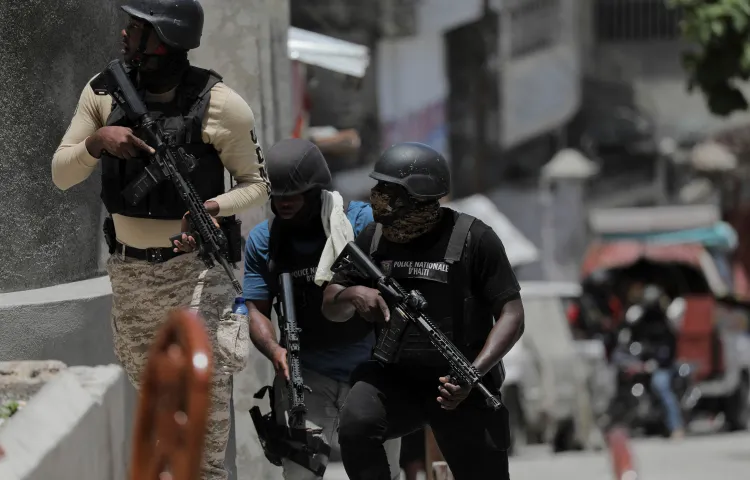
By Arlene Getz/CPJ Editorial Director The persistent lack of justice for murdered reporters is a major threat to press freedom. Ten years after the United Nations declared an international day to end impunity for crimes against journalists – and more than 30 years after CPJ began documenting these killings – almost 80% of their killings…
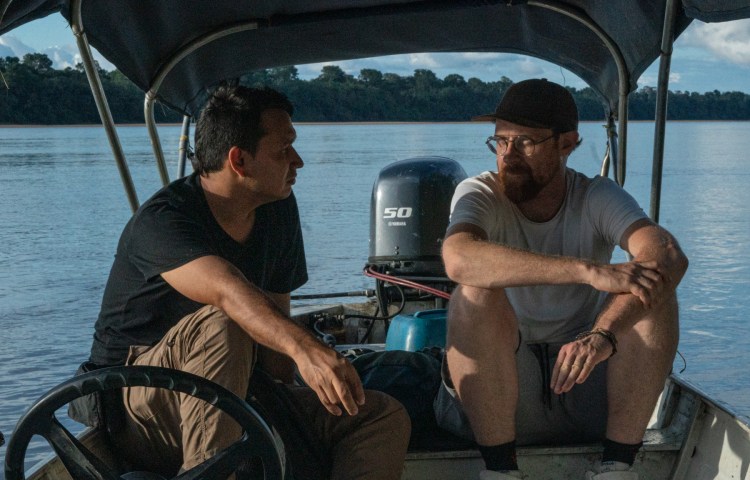
Brazilian police threaten Dutch and Colombian journalists in the Amazon
In February 2023, Dutch journalist Bram Ebus, Colombian videographer Andrés Cardona, and Colombian photographer Alex Rufino, were threatened by the military police of Japurá in the Brazilian state of Amazonas while reporting on illegal mining in the Amazon region as part of Amazon Underworld, an investigative project on crime and corruption in the region. …
CPJ joins call for investigation into police treatment of Brazilian journalist Danielle Zampollo
CPJ has joined three press freedom groups in calling for the São Paulo state government to investigate the case of an unidentified police officer who harassed and pointed a rifle at TV Globo reporter Danielle Zampollo while she was covering an August 3 police operation in the Prainha community in the city of Guarujá, about 52 miles (84 kms) from São Paulo. Zampollo was in Prainha following…
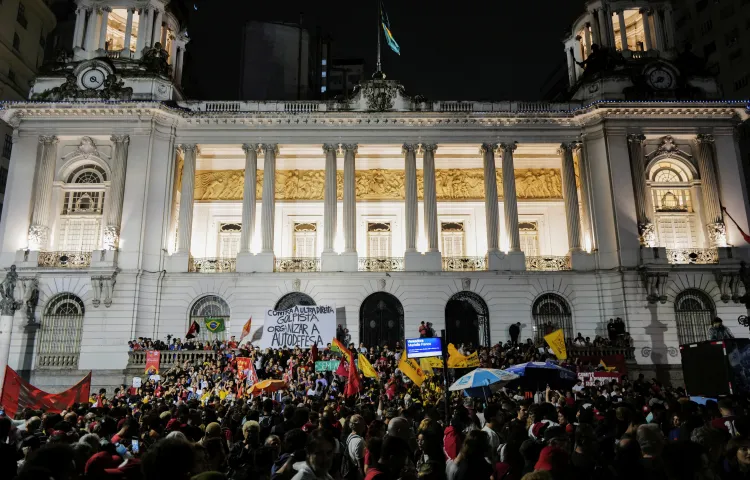
Legal aid resources in Brazil: A guide for journalists facing legal action
For a journalist facing criminal or civil lawsuits in retaliation for their reporting, having access to relevant legal advice and resources to finance their legal representation can mean the difference between a prison sentence and freedom, censorship and the free flow of information, being economically suffocated or having the ability to continue reporting. In recent…