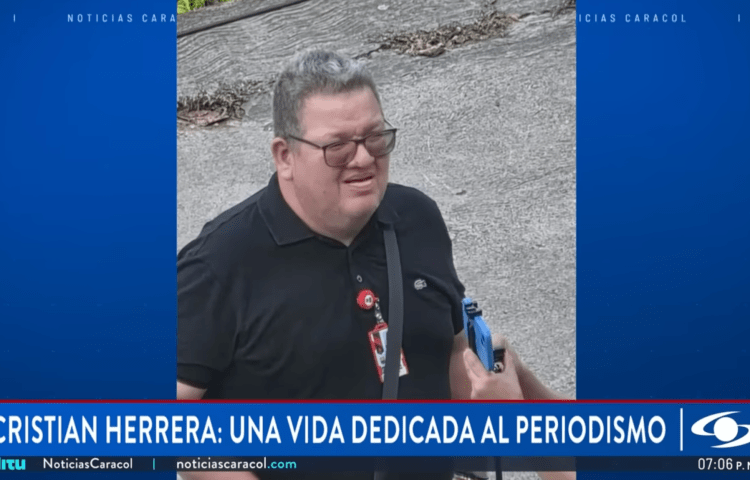
Journalist, press freedom advocate Cristian Herrera Nariño killed in northern Colombia
Bogotá, June 8, 2026—Colombian authorities must swiftly investigate the killing of journalist and press freedom advocate Cristian Herrera Nariño, determine if he was targeted for his work, and bring those responsible to justice, the Committee to Protect Journalists said Monday. On Saturday, June 6, gunmen on a motorcycle shot Herrera outside his home in the northwest…
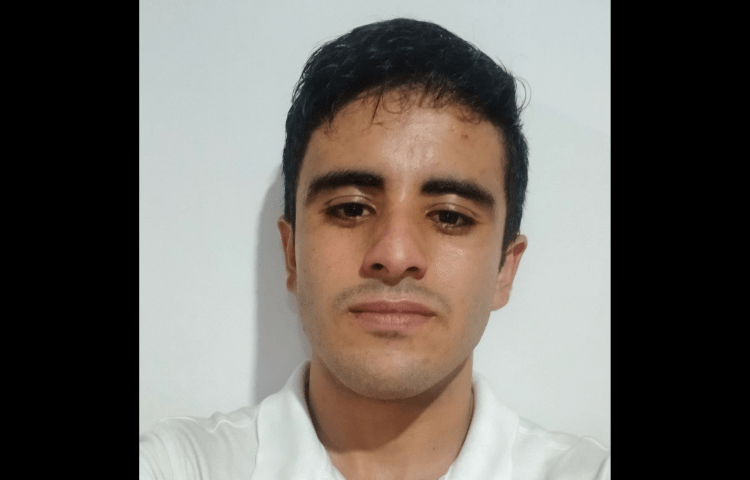
UPDATE: Colombian journalist killed following capture by rebels
Bogotá, May 8, 2026—Colombian authorities must thoroughly investigate the killing of journalist Mateo Pérez Rueda, determine if he was targeted for his work, and bring those responsible to justice, the Committee to Protect Journalists said Friday. Pérez was last seen at around 4 p.m. on May 5 near the town of Briceño in Antioquia department in northwest Colombia…
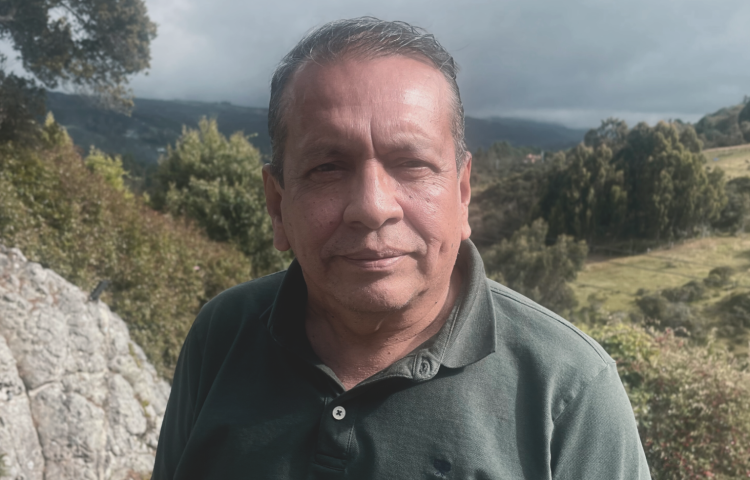
The attempted murder of a veteran journalist stirs fear, defiance in Colombia
Wanted Colombian rebel leader Aníbal Hernández Garavito was irate when he called into the local Es el Colmo (“It’s the last straw”) radio program at 5:48 a.m. on March 14, 2025. His voice raised, Hernández slammed the station’s critical coverage of his guerrilla group, but show host Gustavo Chicangana Álvarez refused to be bullied. Hernández, who had a $13,000 bounty on…
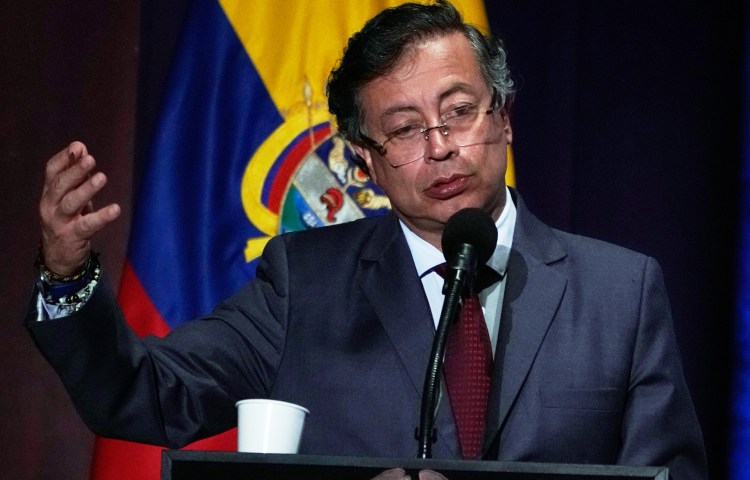
Colombian rebel group threatens investigative journalists as ‘armed actors’
Bogotá, December 1, 2025—Colombian authorities should thoroughly investigate threats made by a rebel group against the investigative unit of news outlet Caracol Noticias and ensure that its reporters can safely do their jobs, the Committee to Protect Journalists said Monday. In a November 27 video reviewed by CPJ, negotiators with the General Staff of Blocks and Front,…
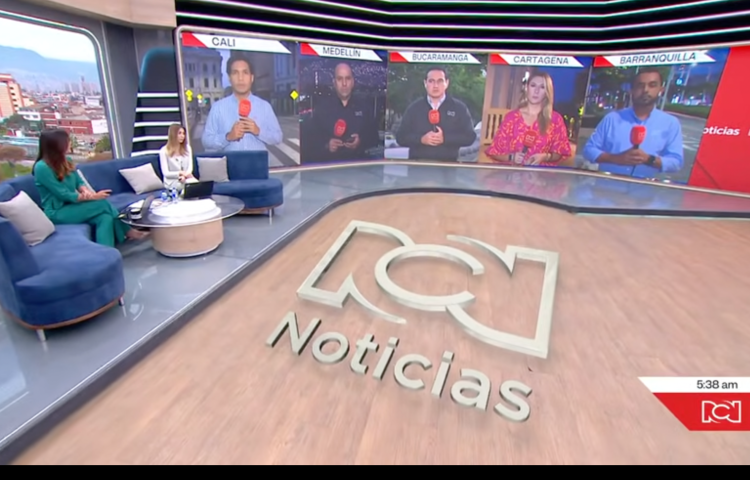
Bomb attack damages independent media outlet’s headquarters in Colombia
Bogotá, Colombia —The Committee to Protect Journalists calls on Colombian authorities to take comprehensive steps to ensure the safety of RCN media employees after a reported bomb attack on the outlet’s headquarters in the western city of Cali, and bring those responsible to account. Authorities told local outlets that a device, believed to be a grenade, exploded at…
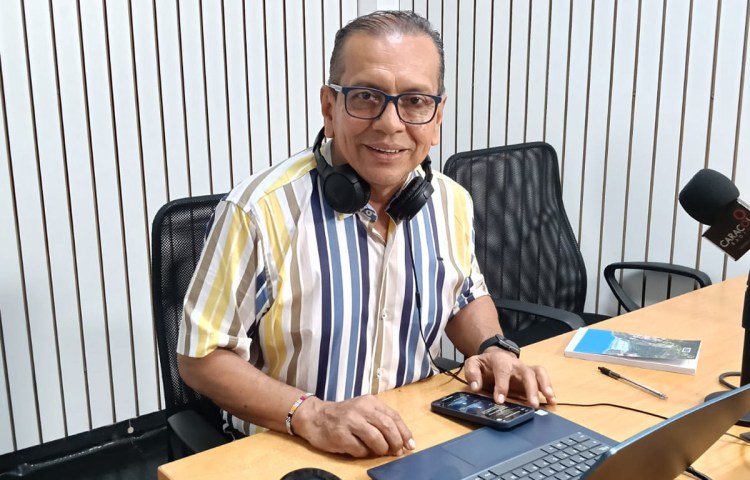
Colombian journalist, wife wounded in targeted shooting
Bogotá, July 7, 2025—Colombian authorities must thoroughly investigate the shooting of journalist Gustavo Chicangana and his wife, Ana Milena Torres, to determine whether the reporter was targeted for his work, and bring those responsible to justice, the Committee to Protect Journalists said Monday. On Saturday, July 5, Chicangana, news director of radio station Guaviare Estéreo, and Torres…

Colombian journalist Óscar Gómez Agudelo shot dead at radio station
Bogotá, January 30, 2025—Colombian authorities must swiftly complete their investigation into the killing of journalist Óscar Gómez Agudelo, who was fatally shot as he entered his office on Friday, January 24, at the community radio station Rumba del Café in the western Colombian city of Armenia, the Committee to Protect Journalists said Wednesday. “The special prosecutor appointed to investigate the killing…

CPJ, 24 other organizations release report on state censorship in the Americas
Twenty-four civil society organizations working in seven Latin American countries, including the Committee to Protect Journalists, released a November 2024 report titled “Impact of state censorship measures on the right to freedom of expression in the Americas,” which included information provided during the 190th regular session of the Inter-American Commission on Human Rights (IACHR) in July 2024. The press freedom groups work in Argentina, Brazil, Colombia, El Salvador,…
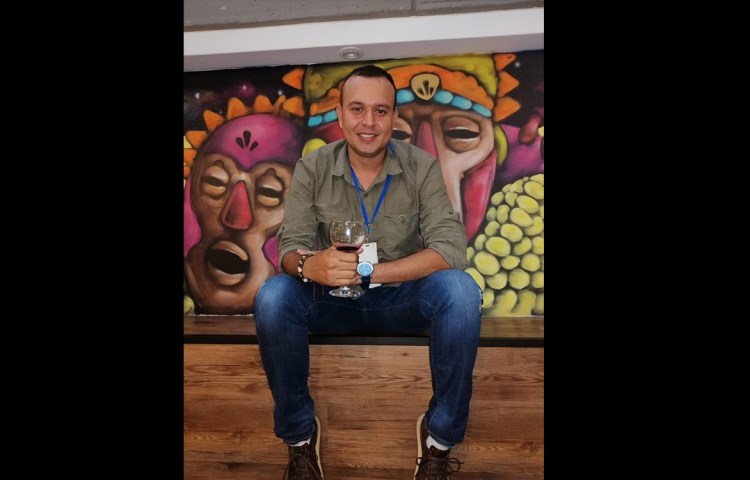
Colombian journalist flees after death threat after report on extortion claims
Bogotá, May 21, 2024—Colombian authorities must thoroughly investigate the death threat received by journalist Edward Álvarez, ensure his safety, and bring those responsible to justice, the Committee to Protect Journalists said Tuesday. Álvarez, a reporter for the independent online news outlet La Chiva de Urabá in the northern city of Apartadó, received a death threat…
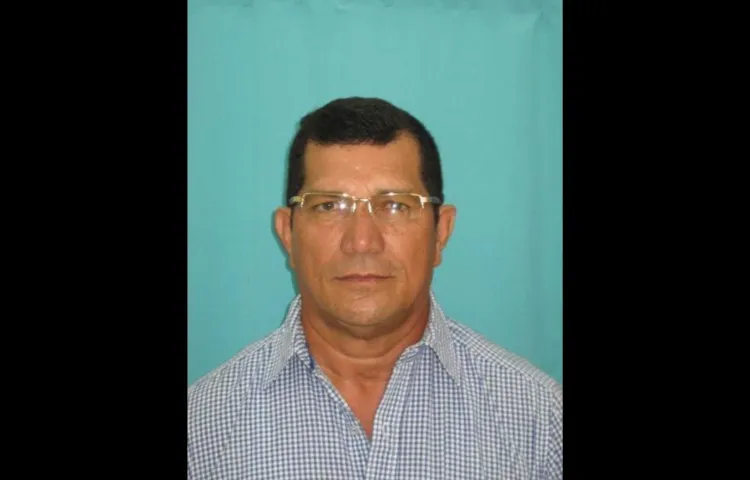
Colombian journalist Mardonio Mejía Mendoza shot dead at home
Bogotá, January 29, 2024 — Colombian authorities must thoroughly investigate the killing of journalist Mardonio Mejía Mendoza, determine if he was targeted for his work, and bring those responsible to justice, the Committee to Protect Journalists said Monday. On Wednesday, January 24, a gunman shot and killed Mejía, founder and director of the independent Sonora Estero…