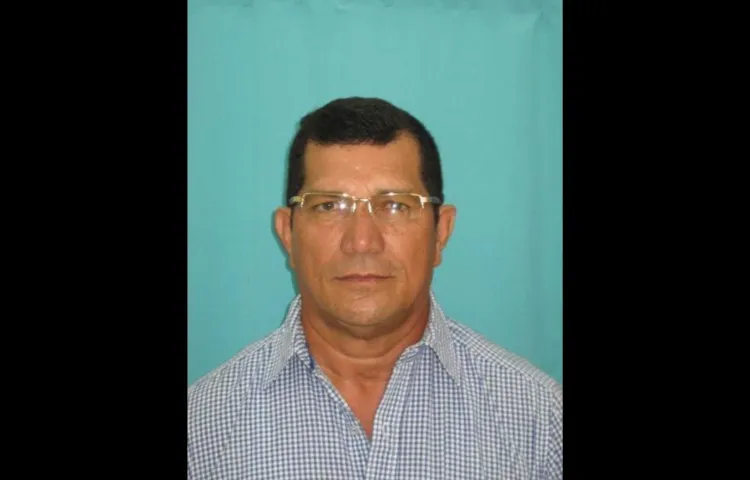
Colombian journalist Mardonio Mejía Mendoza shot dead at home
Bogotá, January 29, 2024 — Colombian authorities must thoroughly investigate the killing of journalist Mardonio Mejía Mendoza, determine if he was targeted for his work, and bring those responsible to justice, the Committee to Protect Journalists said Monday. On Wednesday, January 24, a gunman shot and killed Mejía, founder and director of the independent Sonora Estero…
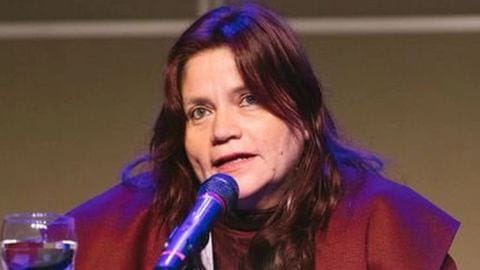
Former state security agent convicted in torture of Colombian journalist Claudia Julieta Duque
New York, November 28, 2023—The Committee to Protect Journalists strongly supports a Bogotá superior district court’s November decision to convict a former Colombian state security agent of aggravated torture against journalist Claudia Julieta Duque. “We welcome this overdue conviction as a necessary victory against impunity in crimes against journalists in Colombia,” said Carlos Martínez de…
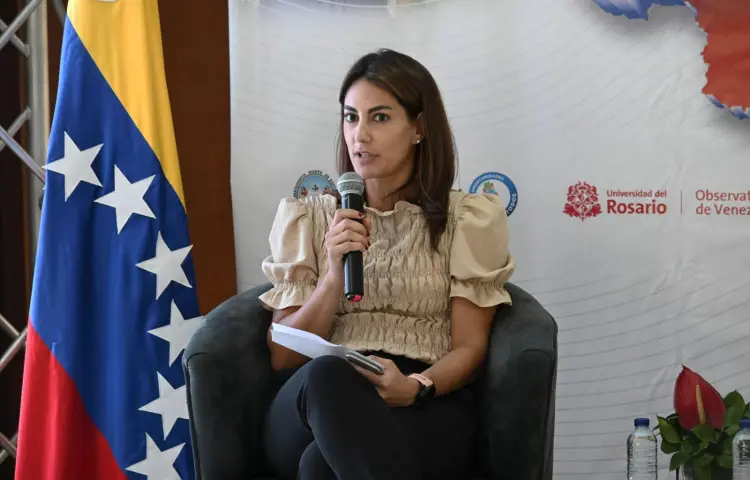
Colombian editor Estefanía Colmenares receives death threats after political exposé
Bogotá, September 11, 2023—Colombian authorities must thoroughly investigate a death threat against journalist Estefanía Colmenares, ensure her safety, and bring those responsible to justice, the Committee to Protect Journalists said Monday. On September 6, Colmenares, editor of the independent La Opinión newspaper in the northern city of Cúcuta, received a threat from an unidentified number…
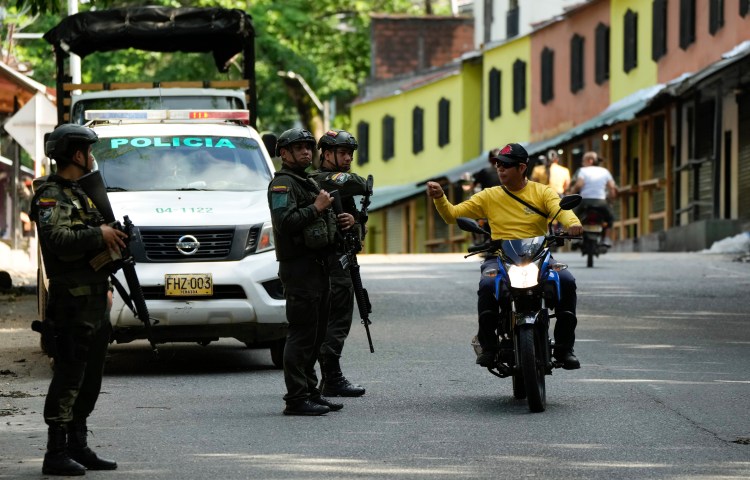
Colombian journalist Luis Gabriel Pereira shot and killed in town of Ciénaga de Oro
Bogotá, May 12, 2023—Colombian authorities must thoroughly investigate the killing of journalist Luis Gabriel Pereira, determine if he was targeted for his work, and bring those responsible to justice, the Committee to Protect Journalists said Friday. On Tuesday, May 9, two gunmen aboard a motorcycle fatally shot Pereira while he was riding his motorcycle in…
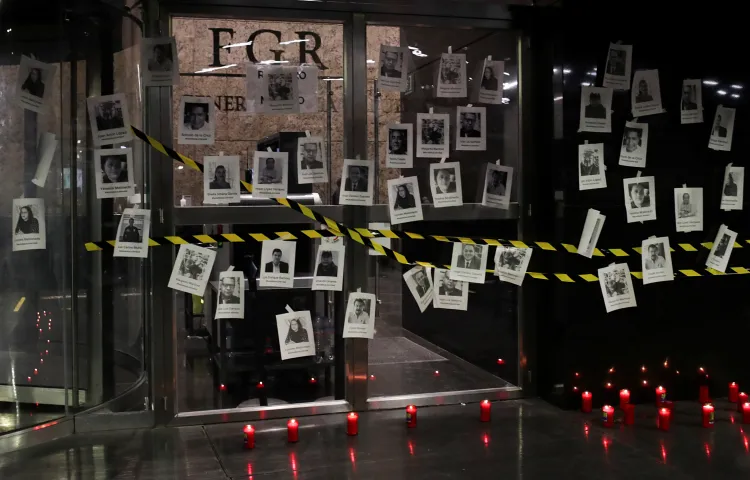
Deadly year for journalists as killings rose sharply in 2022
By Jennifer Dunham/CPJ Deputy Editorial Director Published January 24, 2023 Key Takeaways | Methodology | 2022 Killed Data | Interactive Map | Video The year 2022 was deadly for members of the press. At least 67 journalists and media workers were killed during the year–the highest number since 2018 and an almost 50% increase from…
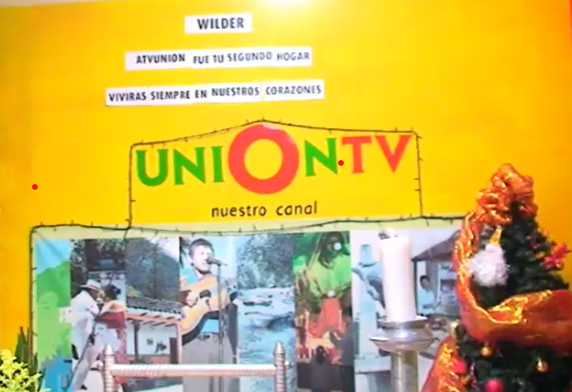
Journalist Wilder Alfredo Córdoba shot and killed in southern Colombia
Bogotá, November 30, 2022 — Colombian authorities must thoroughly investigate the killing of journalist Wilder Alfredo Córdoba, determine if he was targeted for his work, and bring those responsible to justice, the Committee to Protect Journalists said Wednesday. On Monday, November 28, two unidentified men on a motorcycle shot and killed Córdoba while he was…

Rafael Emiro Moreno, Colombian journalist under government protection, killed in Córdoba
Bogotá, October 19, 2022—Colombian authorities must thoroughly investigate the killing of journalist Rafael Emiro Moreno, determine if he was targeted for his work, and bring those responsible to justice, the Committee to Protect Journalists said Wednesday. About 7:10 p.m. on Sunday, October 16, in the northern town of Montelíbano, two men aboard a motorcycle fatally…

Two armed attackers shoot at journalist Erick Niño’s home, office in Colombia
Bogotá, Colombia, October 11, 2022 – Colombian authorities must thoroughly investigate a shooting at the home and office of journalist Erick Niño, bring those responsible to justice, and guarantee Niño’s safety, the Committee to Protect Journalists said Tuesday. Around 10:45 p.m. on October 5, two men aboard a motorcycle armed with pistols shot several times…
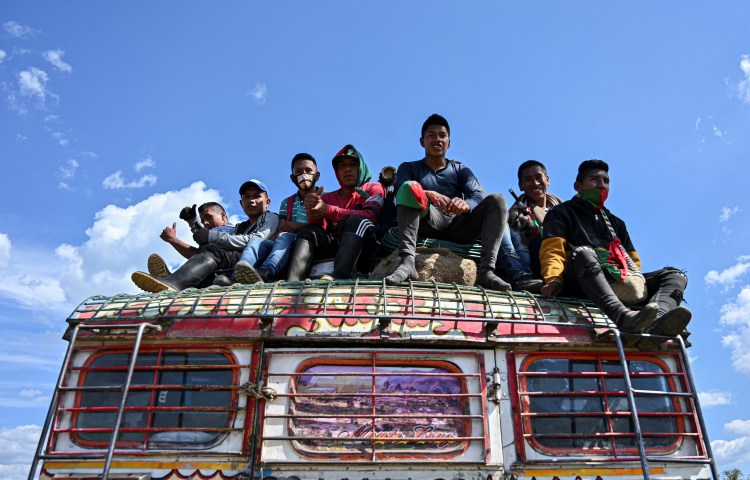
Colombia’s Indigenous ‘communicators’ face special challenges reporting for their communities
Mabel Quinto Salas is a reporter for Radio Pa’yumat, a station in the Northern Cauca region of Colombia. But she doesn’t identify as a journalist. Instead, she calls herself a “community communicator,” a category that is common among Colombia’s Indigenous communities. “Communication is seen as a tool for visibility, for denunciation of human rights violations, but also for…

Armed men attack car, bodyguard of Colombian journalist Julián Martínez
Bogotá, February 28, 2022 – Colombian authorities must thoroughly investigate an armed attack on the vehicle and bodyguard of investigative journalist Julián Martínez, determine if the reporter was targeted for his work, and bring those responsible to justice, the Committee to Protect Journalists said Monday. At about 11 p.m. on February 22, two men with…