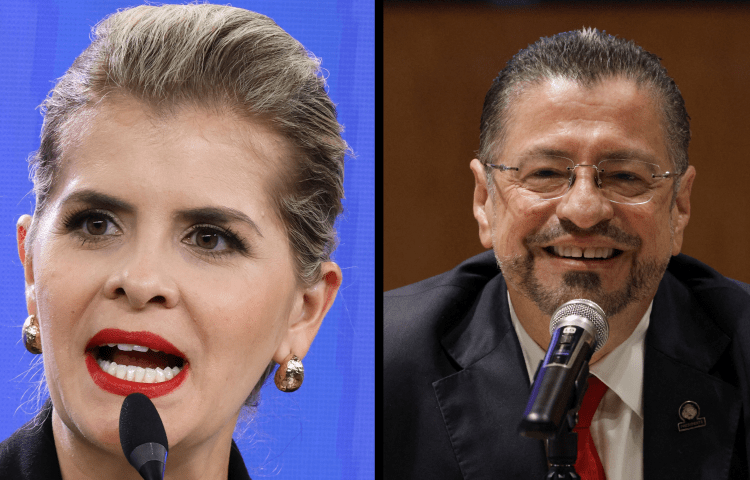
Costa Rica’s press freedom hangs in the balance ahead of presidential election
For decades, Costa Rica was held up as Central America’s democratic exception: a country without an army, with strong democratic institutions, and a press able to scrutinize those in power without facing systematic retaliation. That reputation is now being tested as Costa Rica heads into presidential elections that will culminate in a first round on…
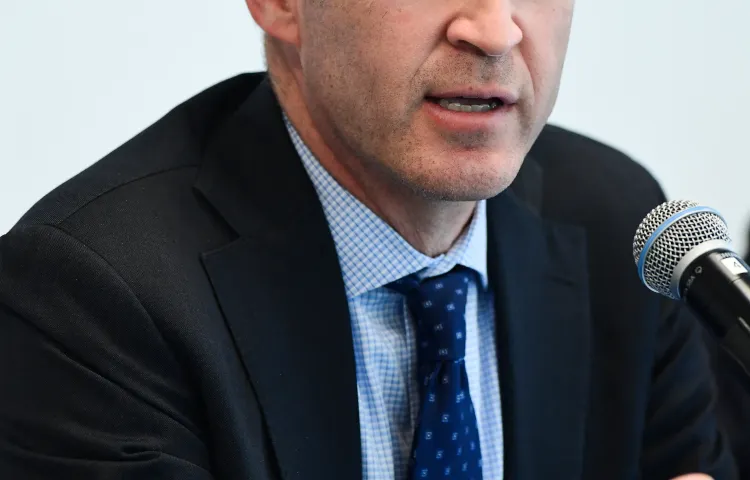
David Kaye: Here’s what world leaders must do about spyware
In late June, the general counsel of NSO Group, the Israeli company responsible for the deeply intrusive spyware tool, Pegasus, appeared before a committee established by members of the European Parliament (MEPs). Called the PEGA Committee colloquially, the Parliament established it to investigate allegations that EU member states and others have used “Pegasus and equivalent…
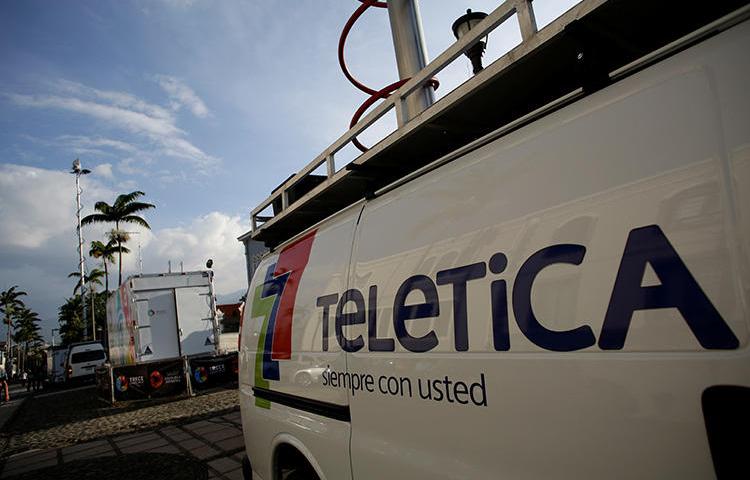
Explosive detonated outside office of Costa Rican TV station Teletica
Managua, July 30, 2019–Costa Rican authorities must fully investigate the detonation of an explosive device outside the San José offices of television station Teletica and hold those responsible to account, the Committee to Protect Journalists said today.
Costa Rican court strikes down tracking of daily’s calls
The constitutional chamber of the Costa Rican Supreme Court ruled on March 21, 2014, that the government’s secret monitoring of phone records of the San José-based daily Diario Extra as part of a leak investigation was unconstitutional, according to news reports.
Costa Rica must investigate tracking of daily’s phone calls
New York, January 22, 2014–The Committee to Protect Journalists calls for a full investigation into reports that Costa Rican officials secretly monitored the phone records of the San José-based daily Diario Extra as part of a leak investigation.

At OAS, a victory for human rights and free expression
By reaffirming the autonomy and independence of the regional human rights system and rejecting attempts to neutralize the work of the Inter-American Commission on Human Rights (IACHR) and its special rapporteur for freedom of expression, the Organization of American States (OAS) chose last week to discard proposals that would have made citizens throughout the hemisphere…
CPJ urges OAS not to weaken human rights system
Dear OAS Ministers of Foreign Affairs: Ahead of the assembly of the Organization of American States on Friday, the Committee to Protect Journalists urges you to oppose any attempts to debilitate the regional human rights system. The failure of member states to preserve the autonomy and independence of the Inter-American Commission on Human Rights and its special rapporteur on freedom of expression would make citizens throughout the hemisphere more vulnerable to human rights violations and represent a blow to democracy in the Americas.
Latin America takes steps against criminal defamation
In an encouraging development, three courts in Colombia, Costa Rica, and Chile have recently followed the growing regional consensus against criminal defamation by dismissing criminal penalties against journalists accused of libel and slander.The newsweekly magazine Semana reported that a piece written by Alfredo Molano, at left, in the op-ed pages of the Bogota-based daily El Espectador in February 2007 described how…
Attacks on the Press 2009: Americas Developments
ATTACKS ON THE PRESS: 2009• Main Index AMERICAS Regional Analysis: • In the Americas, Big Brother is watching reporters Country Summaries • Argentina • Brazil • Colombia • Cuba • Ecuador • Honduras • Mexico • Nicaragua • United States • Venezuela • Other developments BOLIVIA An anonymous caller threatened Raphael Ramírez, editor of the…