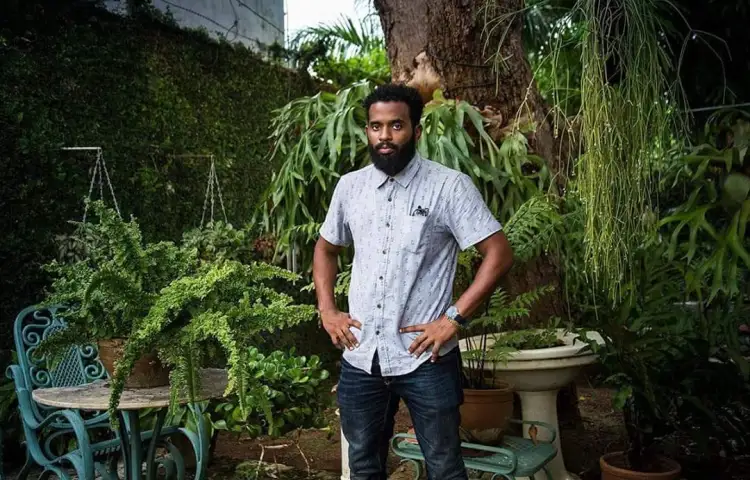
Exiled Cuban journalist Abraham Jiménez Enoa threatened in Spain
São Paulo, July 26, 2023—Spanish authorities must investigate threats made to exiled Cuban journalist Abraham Jiménez Enoa and ensure his and his family’s safety, the Committee to Protect Journalists said Wednesday. On Tuesday, July 25, two unidentified men with Cuban accents threatened Jiménez as he was walking home with his two-year-old son in Barcelona, according…
Cuban journalist Lázaro Yuri Valle Roca sentenced to 5 years in prison
New York, August 1, 2022 — In response to a Cuban court’s July 28 decision sentencing Cuban journalist Lázaro Yuri Valle Roca to five years in prison for “enemy propaganda and resistance,” the Committee to Protect Journalists issued the following statement of condemnation: “Cuban authorities have already unjustly held journalist Lázaro Yuri Valle Roca behind…
Cuban journalist Lázaro Yuri Valle Roca faces 6-year prison sentence for ‘sharing enemy propaganda’
New York, June 30, 2022 — The Committee to Protect Journalists on Thursday called on Cuban authorities to refrain from sentencing freelance journalist Lázaro Yuri Valle Roca to prison, to drop all charges against him, and to release the journalist, who has been held for more than a year in pretrial detention. In a closed-door hearing…
CPJ condemns Cuba’s new penal code as a threat to independent media
Miami, May 16, 2022 – In response to news reports that on Sunday, May 15, the Cuban National Assembly passed an amendment to the penal code that could severely damage independent journalism, the Committee to Protect Journalists issued the following statement expressing alarm: “We are alarmed by the passage of Cuba’s new penal code, which further criminalizes the…
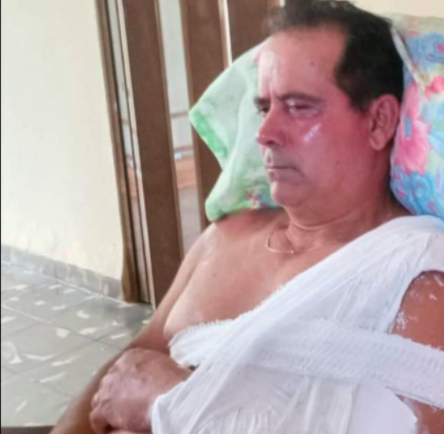
Cuban independent journalist Alberto Corzo assaulted after encounter with state security agents
Miami, April 8, 2022 – Cuban authorities should thoroughly investigate the recent attack on journalist Alberto Corzo and swiftly bring those responsible to justice, the Committee to Protect Journalists said Friday. On April 1, at approximately 10 a.m., two agents from the Department of State Security, commonly referred to as the political police, stopped Corzo…
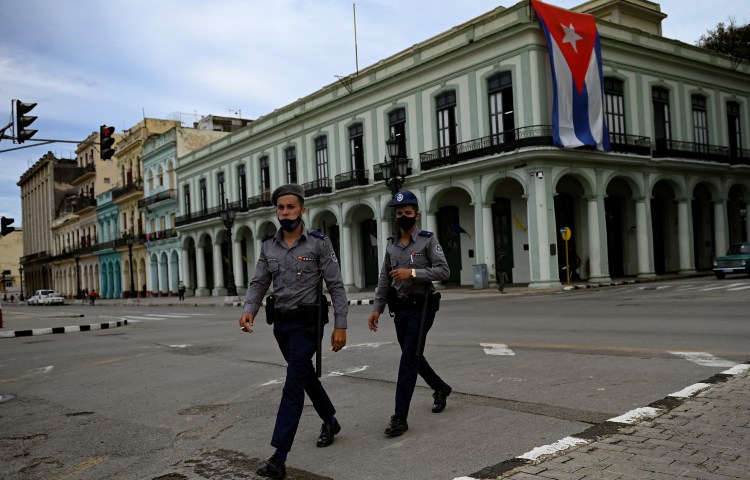
Proposed penal code amendment could have ‘catastrophic effect’ on independent journalism in Cuba
Miami, February 1, 2022 – Cuba’s National Assembly should reject a proposed amendment to the penal code that risks criminalizing funding for independent journalists and media organizations, the Committee to Protect Journalists said Tuesday. On January 20, Cuba’s Supreme Tribunal proposed a bill amending the penal code to prohibit Cuban citizens from receiving foreign funding,…
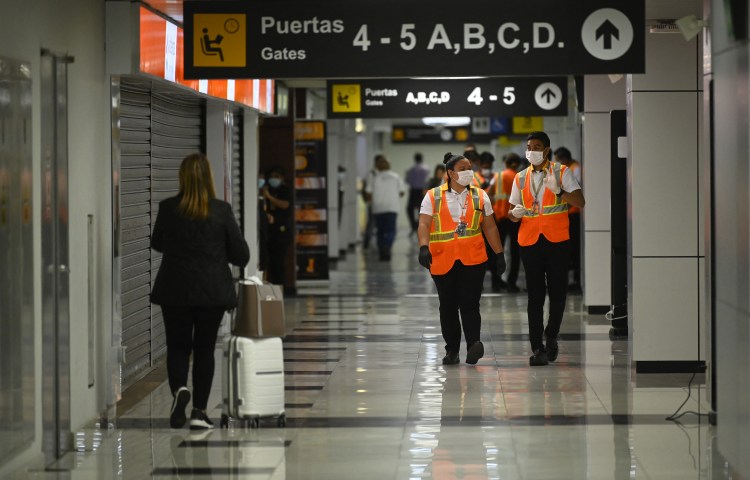
CPJ welcomes El Salvador’s acceptance of 2 journalists expelled from Cuba
Miami, January 6, 2022 – Salvadoran authorities should continue providing support to Cuban journalists Esteban Rodríguez and Héctor Luis Valdés, and Cuban authorities should cease forcing journalists into exile, the Committee to Protect Journalists said today. At dawn on January 4, agents from the Cuban National Revolutionary Police and the Political Police took Valdés from…
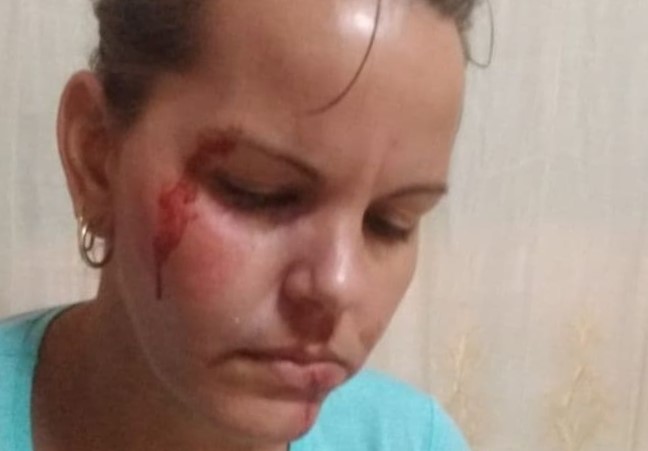
Unidentified attackers beat Cuban journalist Mabel Páez at her home
Miami, December 10, 2021 – Cuban authorities should thoroughly investigate the recent attack on journalist Mabel Páez and swiftly bring those responsible to justice, the Committee to Protect Journalists said today. On December 7, at about 8:30 p.m., two unidentified men with their faces covered broke into Páez’s home in the western province of Artemisa…
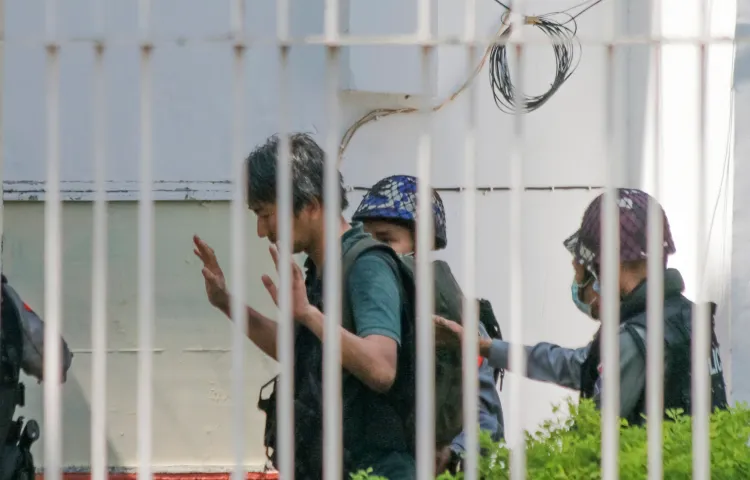
Number of journalists behind bars reaches global high
Editor’s note: Numbers for each prison census are adjusted yearly as CPJ learns of arrests, releases, or deaths in prison. The numbers for CPJ’s 2021 census have been revised from 293 to 302 in accordance with this policy. For the most recent data, see cpj.org/data/imprisoned/ The number of journalists jailed around the world set another record…

A press freedom crisis unfolds in Latin America
As the number of journalists imprisoned globally for their work climbs to record highs, cases of those behind bars in Latin America remained relatively low. A total of six – three in Cuba, two in Nicaragua and one in Brazil – were in custody for their work as of December 1, according to the Committee…