CPJ, partners condemn Ecuador court’s order to remove press freedom NGO’s content
The Committee to Protect Journalists signed a joint statement along with the Inter-American Press Association and Voces del Sur network condemning an Ecuadorian court’s decision ordering local press freedom organization Fundamedios to remove a publication mentioning local businessman Pedro Julio Bejarano Alvarado. Last year, Bejarano formally asked Fundamedios to unpublish the alert but it refused. On January 14, 2026,…
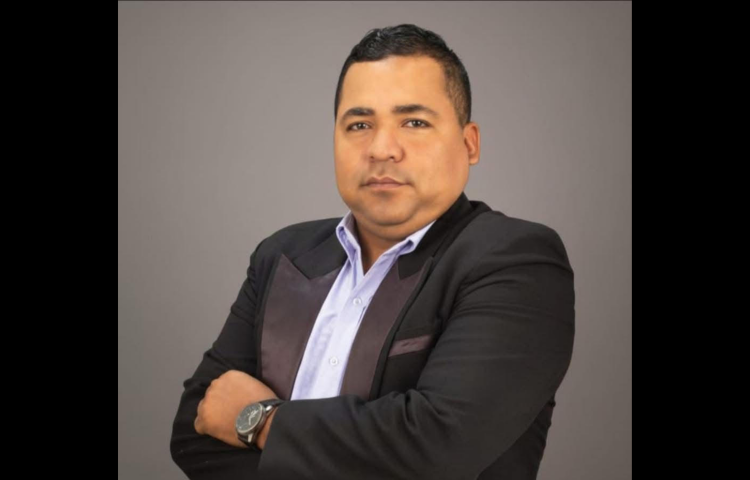
Ecuadorian journalist shot after receiving reported false news tip
Bogotá, March 20, 2026—Ecuadorian authorities must swiftly and comprehensively investigate the shooting of journalist José Vinces Oviedo in the southern city of Huaquillas and hold those responsible to account, the Committee to Protect Journalists said Friday. “We urge authorities to swiftly and credibly investigate the shooting of journalist José Vinces Oviedo in Huaquillas, determine whether the attack…
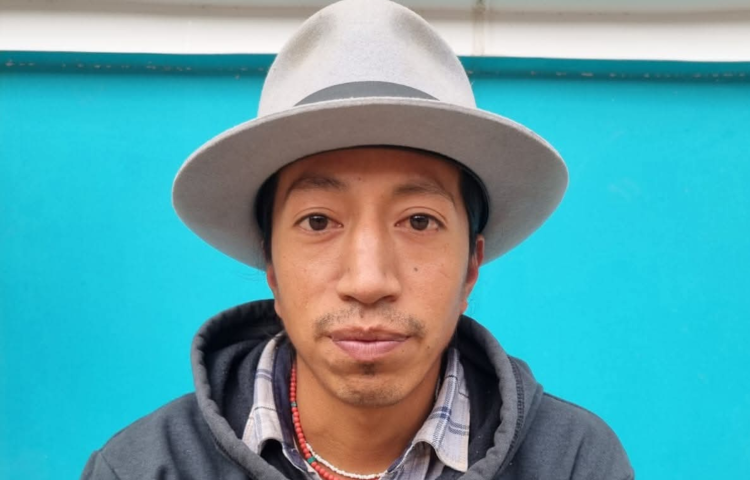
Journalist shot while covering clashes between protestors and Ecuadorian army, police
New York, October 16, 2025—Ecuadorian authorities should comprehensively and swiftly investigate the shooting of TV journalist Edison Muenala and take decisive actions to ensure that press members can safely report on ongoing anti-government demonstrations, the Committee to Protect Journalists said Thursday. On Tuesday, Muenala, a journalist and producer with the community station APAK TV, was shot…

Ecuadorian TV station suspended after covering fuel subsidy public protests
Bogotá, September 26, 2025—Ecuador’s media regulator should immediately lift its suspension of community station TV MICC and ensure that media outlets can freely cover the news without fear of reprisal, the Committee to Protect Journalists said Friday. On September 23, the state Telecommunications Regulation and Control Agency (ARCOTEL) issued a 15-day suspension against TV MICC, operated by the Indigenous and Peasant Movement of Cotopaxi in…
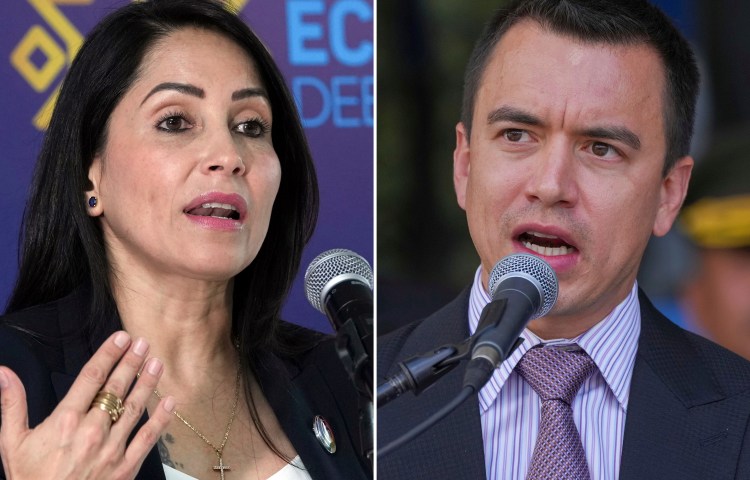
CPJ, partners call on Ecuador’s presidential candidates to commit to press freedom
April 10, 2025—The Committee to Protect Journalists and other five press freedom organizations urged Ecuador’s presidential candidates Daniel Noboa and Luisa González to publicly commit to freedom of expression ahead of the April 13 run-off election. The statement calls on the two politicians to ensure free expression is protected as guaranteed in the constitution and…

Journalist Patricio Aguilar shot and killed in Ecuador
Bogotá, March 6, 2025—Ecuadorian authorities must thoroughly investigate the March 4 killing of journalist Patricio Aguilar, determine if he was targeted for his work, and bring those responsible to justice, the Committee to Protect Journalists said Thursday. “Ecuadorian authorities must not let the killing of journalist Patricio Aguilar go unpunished,” said Cristina Zahar, CPJ’s Latin…

Drug-related violence fuels an exodus of Ecuador’s press
On the only radio station in the remote Ecuadorian town of Baeza, morning show host Juan Carlos Tito updates listeners on the weather, recent power outages, and repairs to a bridge spanning a nearby river. For the last 24 years, Tito, 53, has been the trusted voice of Radio Selva, broadcasting important community news to…
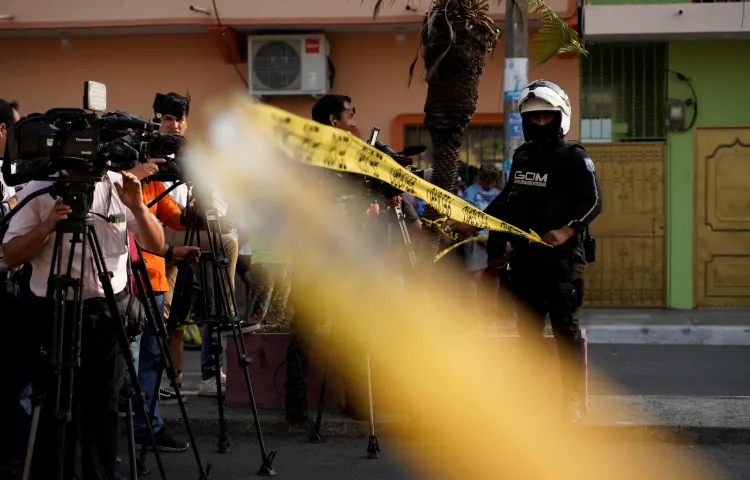
In Ecuador, threats force 9 journalists to flee their homes in 7 months
At least five journalists fled into exile and at least four others had to relocate within Ecuador between April and October 2023, amid political turmoil and a deepening security crisis that have put reporters and press freedom at increasing risk and led to self-censorship. One journalist—who asked CPJ not to disclose his name for safety…
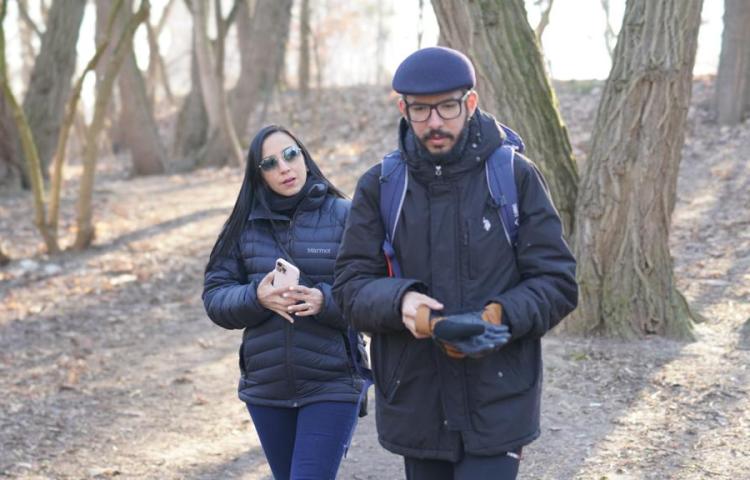
Journalists Andersson Boscán and Mónica Velásquez flee Ecuador amid threats
São Paulo, July, 28, 2023—Ecuadorian authorities must investigate threats to journalists Andersson Boscán and Mónica Velásquez and ensure that they can return to the country safely, the Committee to Protect Journalists said Friday. On Tuesday, July 25, Boscán, co-founder of La Posta, and Velásquez, his wife and a journalist with the social media-based outlet, left…
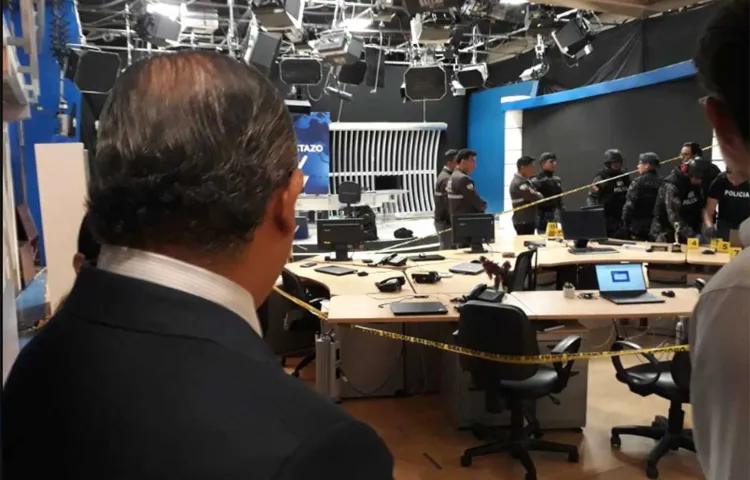
Ecuador on edge: Political paralysis and spiking crime pose new threats to press freedom
In Ecuador, political turmoil and a deepening security crisis are putting reporters and press freedom at increasing risk. President Guillermo Lasso, who dissolved the country’s National Assembly in May as it took steps to impeach him, has proved ineffective at stemming the rise in violent crime and journalists are watching uneasily as the party of…