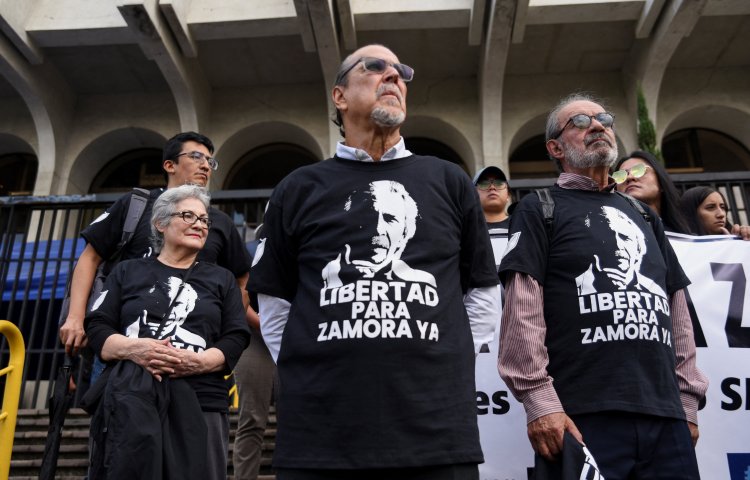
CPJ, partners call on incoming Guatemalan attorney general to end persecution of journalists
In a joint letter led by the Committee to Protect Journalists, nine international press freedom and human rights organizations urged Guatemala’s incoming attorney general, Gabriel García Luna, to end the use of criminal prosecutions against journalists, drop politically motivated cases, and ensure safe conditions for exiled reporters to return. Over the past eight years, the…
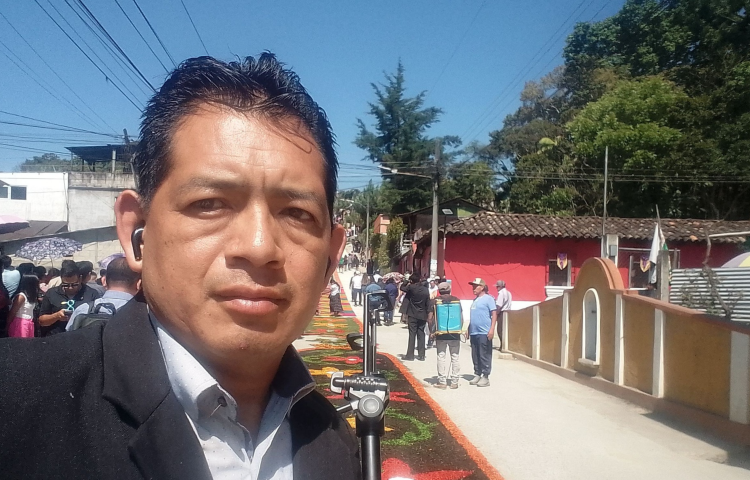
Guatemalan journalist Carlos Humberto Cal Ical killed outside home by unidentified individuals
Mexico City, May 5, 2026—The Committee to Protect Journalists (CPJ) calls for a prompt and transparent investigation into the killing of journalist Carlos Humberto Cal Ical, who was shot and killed outside his home in central Guatemala on April 26. Cal, a prominent journalist with over 25 years of experience, was intercepted by unidentified individuals…
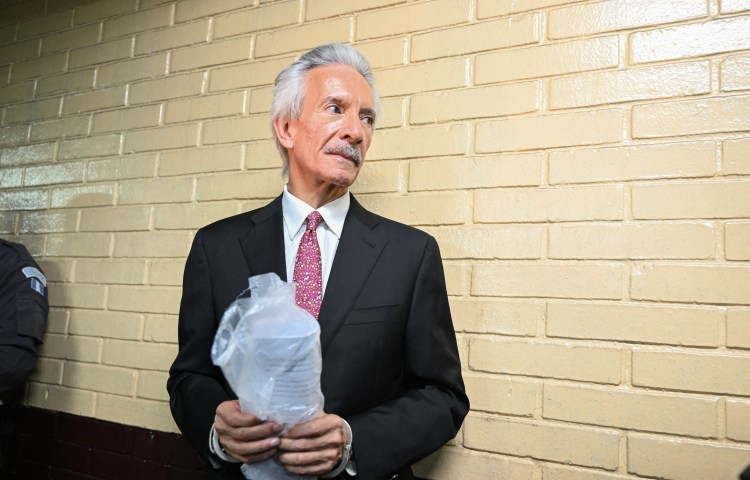
CPJ welcomes Guatemalan journalist Jose Rubén Zamora’s release to house arrest, calls for all charges to be dropped
The Committee to Protect Journalists welcomes Thursday’s court ruling granting house arrest to investigative journalist Jose Rubén Zamora, president of the now defunct elPeriódico, and calls on Guatemalan authorities to immediately drop all charges and end his years-long judicial persecution. “While we are relieved that Jose Rubén Zamora can finally leave prison behind, it is…

Guatemalan journalist found dead after family reported death threats
Mexico City, December 19, 2025—The Committee to Protect Journalists calls on Guatemalan authorities to quickly and comprehensively complete its investigation into the killing of journalist Jorge Agustín Zapeta Aguilar, determine whether he was targeted for his work, and bring those responsible to justice. Zapeta, 56, was found dead on December 16 in a rural area…
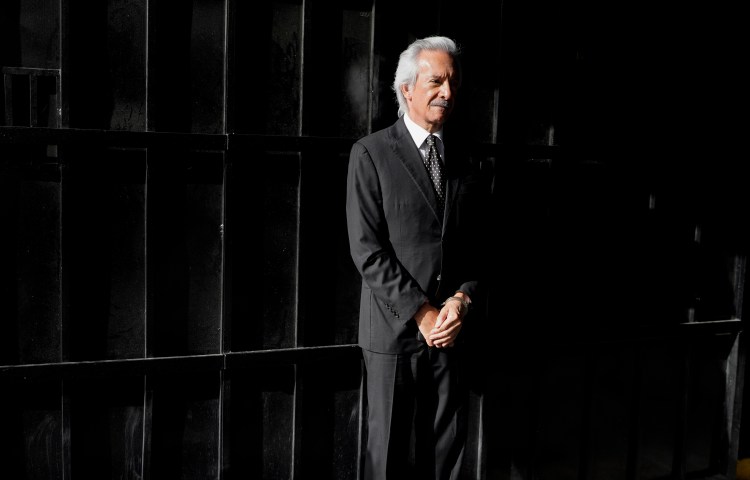
Guatemala’s Zamora detained 3 years; groups demand his release
July 29, 2025, marks 1,095 days since the beginning of the arbitrary detention of journalist Jose Rubén Zamora, founder of elPeriódico and one of the most prominent voices in journalism in Guatemala and Latin America. Zamora was arrested in 2022 following a raid in which he was not informed of the charges against him. In less than 72…
CPJ, partners publish report on threats to community journalism in Guatemala
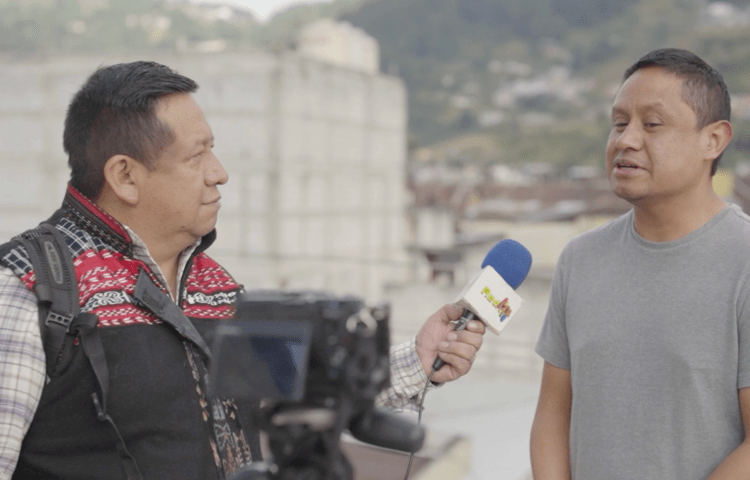
The Committee to Protect Journalists joined seven other press freedom and human rights organizations—including ARTICLE 19 Mexico and Central America, Reporters Without Borders, and Protection International—in releasing a report documenting systemic threats to community journalism in Guatemala. The report is based on a fact-finding mission carried out between October 2024 and January 2025, with investigators…

Guatemalan journalist Quimy de León subject to smear campaign involving CPJ
Mexico City, April 16, 2025—A Facebook account named “Melvin Veum” launched a paid advertising smear campaign on Monday, April 14, that used CPJ’s logo to legitimize false narratives against Guatemalan journalist Quimy de León, director of independent news website Prensa Comunitaria and recipient of CPJ’s 2024 International Press Freedom Award. The post featured two images…
Community journalist in Guatemala shot to death by unidentified assailants
Mexico City, April 15, 2025—Guatemalan authorities must investigate the killing of community journalist Ismael Alonzo González, determine whether he was targeted for his work, and bring those responsible to justice, the Committee to Protect Journalists said Tuesday. On Friday, March 21, Alonzo was outside his home in the western city of Quetzaltenango when two unidentified…
Guatemalan journalist Nelton Rivera targeted by smear, threat campaign
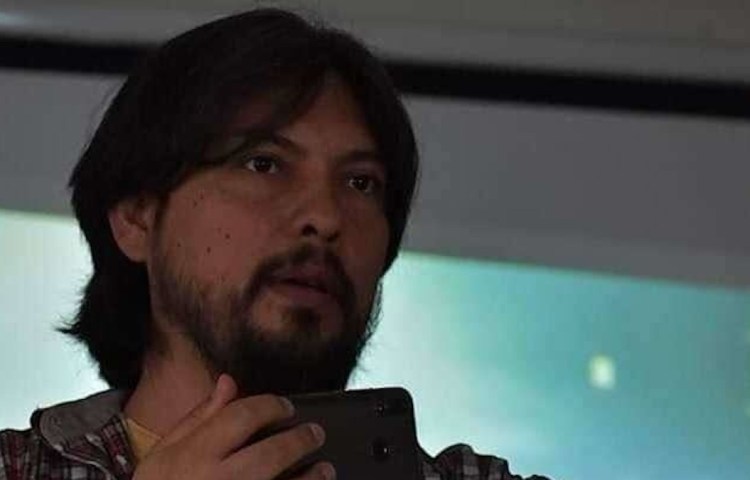
Mexico City, April 8, 2025—Guatemalan authorities must investigate and stop the coordinated online smear campaign against journalist Nelton Rivera and ensure that he and his colleagues at Prensa Comunitaria and Ruda can report freely and safely, the Committee to Protect Journalists said Tuesday. Since February, social media accounts known in Guatemala as “net centers” have…

CPJ, partners call for Guatemalan journalist José Rubén Zamora’s release
The Committee to Protect Journalists and eight other international organizations call for the immediate and unconditional release of Guatemalan journalist José Rubén Zamora and urgent guarantees of due process. Judge Erick García ordered Zamora’s return to prison on March 10, executing a appeals court order that revoked the journalist’s house arrest. At the hearing, García reported threats…