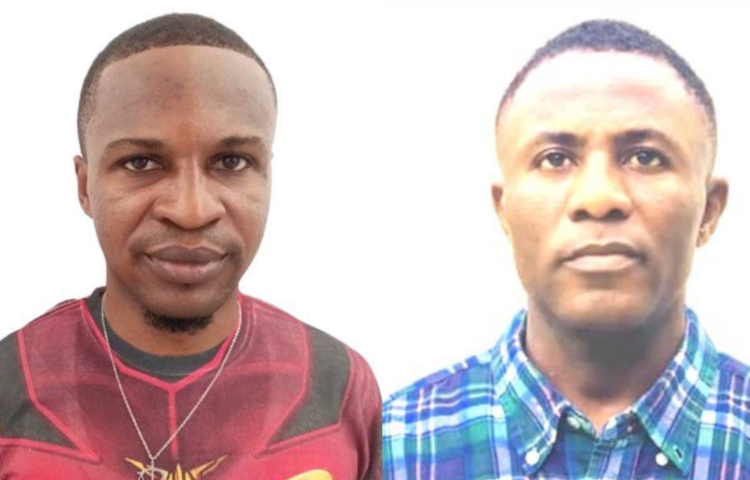
2 Haitian journalists abducted amid intensifying violence in Port-au-Prince
Miami, March 17, 2026—The Committee to Protect Journalists urges Haitian authorities to find and ensure the safe return of Haitian journalists Osnel Espérance and Junior Célestin, who were abducted Friday while reporting in the capital city Port-au-Prince, according to Haitian media outlets Le Nouvelliste and VantBef Info. Espérance and Célestin, who work respectively for Uni…
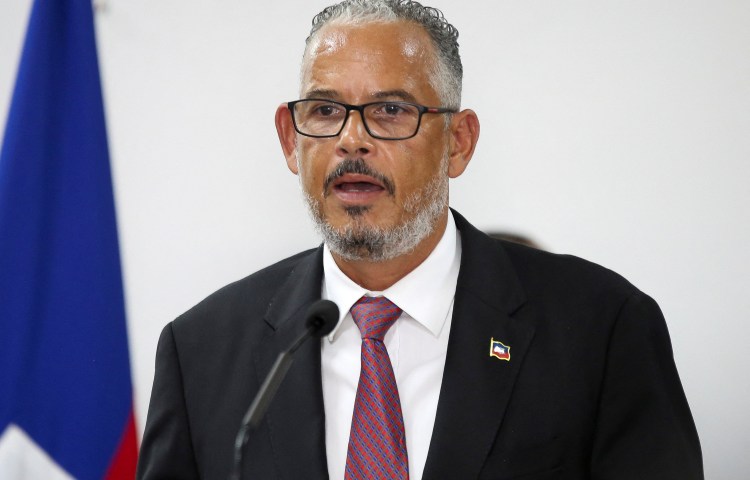
CPJ calls on acting Haitian prime minister to respect press freedom
The Committee to Protect Journalists called on acting Haitian Prime Minister Alix Didier Fils-Aimé to respect press freedom in a letter delivered to his office via local courier on Tuesday. The letter expresses concern regarding recent actions taken by Haitian public officials that threaten press freedom and journalist safety in the country and urges Fils-Aimé…

Haiti’s presidential council expands defamation laws as end of political immunity looms
Miami, January 16, 2026—The Committee to Protect Journalists calls on Haitian authorities to rescind a decree that broadens criminal defamation laws after Haiti’s ruling body, the Transitional Presidential Council, published the decree without prior public discussion. “The Transitional Presidential Council is in place to provide stability at a time of deep upheaval in Haiti. Measures like…
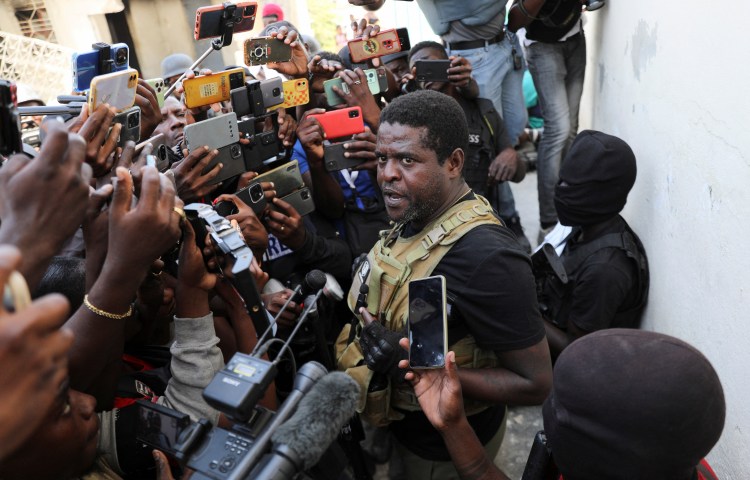
‘Disguised dictatorship’: A fight for government transparency amid Haiti’s insecurity
Read this story en français in collaboration with AyiboPost. Violent attacks and threats waged by a coalition of militarized gangs are among the many risks Haitian journalists face to report the news amid intensifying insecurity in the country’s capital city, Port-au-Prince. Yet as a rotating cast of transitional leaders hope to restore order across the Caribbean nation,…

Haitian gang leader calls for Radio TV Caraibes journalist’s assassination
Miami, December 4, 2025—The Committee to Protect Journalists is deeply alarmed by threats made against Radio TV Caraibes (RCTV) news host Ronald Desormes by Haitian gang leader Jimmy ‘Barbecue’ Cherizier, and calls on the Caribbean nation’s authorities to take comprehensive steps to ensure Desormes’ safety. In a widely disseminated social media video reviewed by CPJ, Cherizier — leader…

Latest attack on an independent Haitian radio station marks 5th in 6 months
Miami, November 10, 2025—The Committee to Protect Journalists is deeply concerned about the reported arson attack on independent radio station Radio Émancipation, the fifth such attack on a station in the last six months, and calls on the Haitian government to establish conditions in the country that allow journalists, and citizens more broadly, to work safely without…

CPJ calls on Haitian authorities to ensure media leader’s protection after threats
Miami, September 11, 2025—The Committee to Protect Journalists calls on Haitian authorities to end their harassment of Guy Delva, leader of Haitian press freedom group SOS Journalistes protection initiative, and to ensure the journalist can work safely without fear of threats. Delva told CPJ that he has been threatened at least two times in the street by unidentified men, and he believes…

Haitian gang takes over radio station, renames it Taliban FM
Miami, April 25, 2025—The Committee to Protect Journalist is appalled that a Haitian gang has taken over a local radio station, renamed it Radio Taliban FM, and is using it to broadcast propaganda on the troubled Caribbean island. “We are critically concerned that the chaos in Haiti makes it nearly impossible for anyone — journalists included — to safely go…
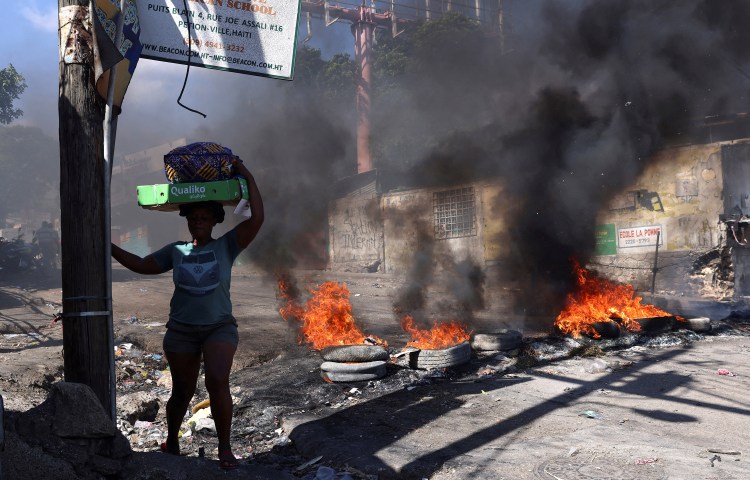
Journalists kidnapped, threatened with lynching as chaos worsens in Haiti
Miami, April 8, 2025—The Committee to Protect Journalists is concerned about deteriorating media safety amid surging violence in Haiti, in which at least one journalist was kidnapped and two were almost lynched. Roger Claudy Israël, owner of local radio station RC FM, and his brother were kidnapped in the central city of Mirebalais by Viv…

Haitian gangs set fire to 3 Port-au-Prince radio stations as violence escalates
Miami, March 20, 2025—The Committee to Protect Journalists is alarmed by the arson attacks on at least three TV and radio stations in Haiti’s capital Port-au-Prince over the last week, as escalating gang violence has caused widescale destruction. Between March 12 and 13, armed gangs from the Viv Ansanm (Living Together) coalition attacked independent stations…