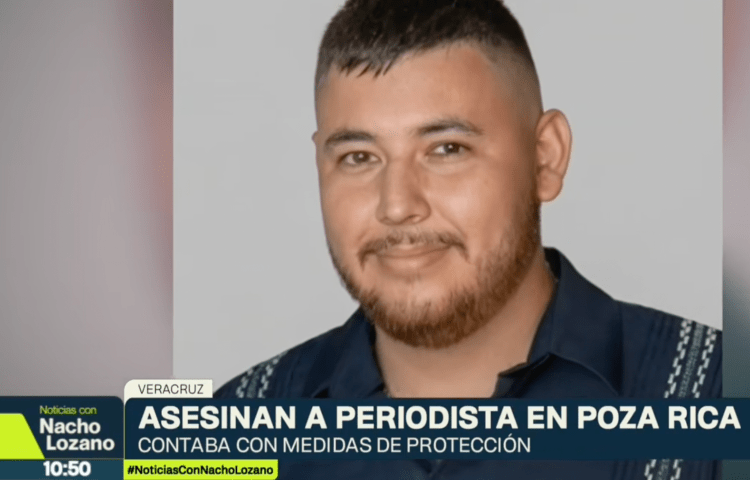
Mexican journalist Luis Ángel López is second killed in Veracruz
Mexico City, June 12, 2026—Mexican authorities must immediately and credibly investigate the killing of journalist Luis Ángel López and determine the motive, the Committee to Protect Journalists said Friday. López was shot and killed around 1 a.m. on June 11, 2026, in Poza Rica, a city in the eastern Mexican state of Veracruz, according to…
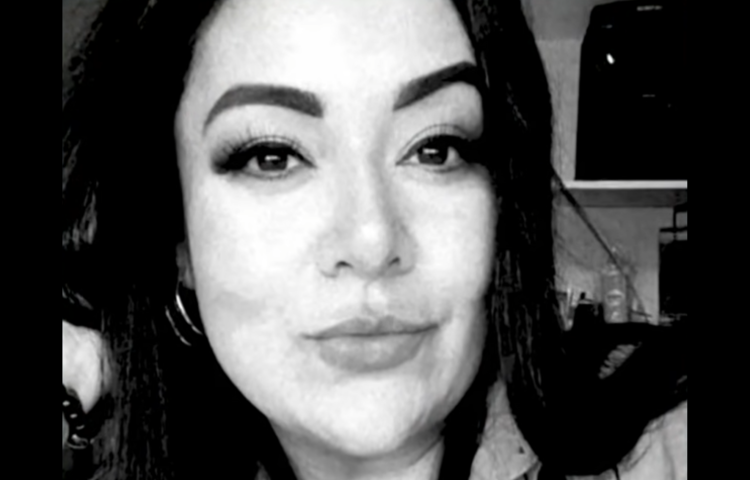
Mexican journalist Roxana Guzmán abducted from home by armed men in Veracruz
Mexico City, June 3, 2026—Mexican authorities must immediately investigate the abduction of journalist Roxana Berenice Guzmán Rodríguez, establish the motive and ensure she is freed unharmed, the Committee to Protect Journalists said Wednesday. Guzmán, the founder and editor of the Facebook-based news website Pulso Informativo del Sureste, was taken by unidentified armed men on Tuesday…
Mexican reporter América Armenta threatened online amid intensifying gang violence in Sinaloa
Mexico City, June 2, 2026—Mexican authorities in the northern state of Sinaloa must swiftly and transparently investigate a Facebook page threatening reporter América Armenta with false accusations of association and take immediate steps to guarantee her safety, the Committee to Protect Journalists said Tuesday. Armenta is a veteran, freelance investigative reporter who has documented corruption,…
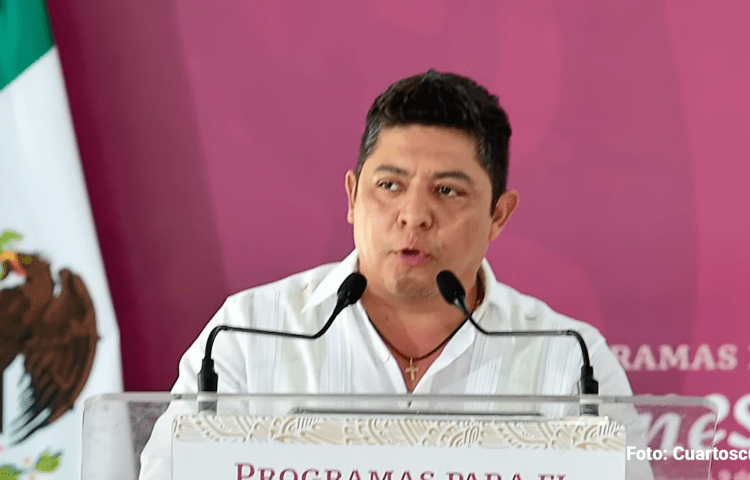
Journalists in Mexican state of San Luis Potosí jailed, indicted over AI-related charges
Guadalajara, May 25, 2026—Authorities in the Mexican state of San Luis Potosí should immediately release journalists Eréndira Reyes and daughter Alejandra Hermosillo, and drop all criminal charges against them over the alleged illegal use of artificial intelligence (AI), the Committee to Protect Journalists said Monday. Two reporters, asking to remain anonymous for safety reasons, alerted…
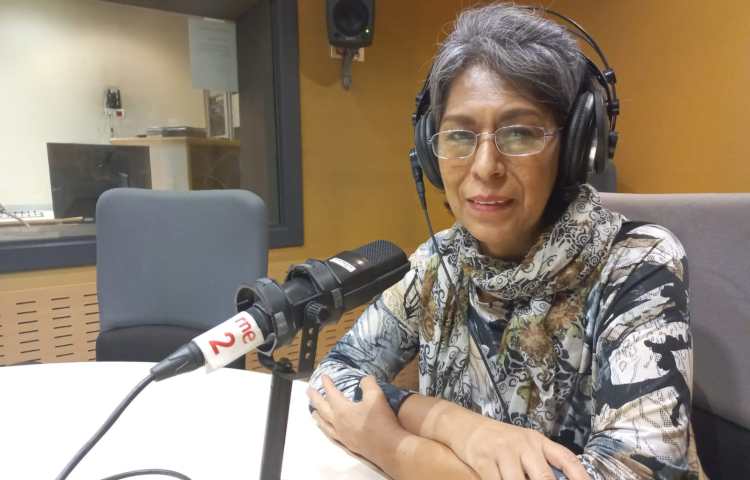
Mexican journalist, IPFA recipient Maria Teresa Montaño targeted in possible malware, surveillance attacks
Mexico City, May 19, 2026—The Committee to Protect Journalists calls on Mexican authorities to immediately and credibly investigate possible malware and digital surveillance attacks against Mexican journalist Maria Teresa Montaño Delgado and The ObserverMX, and take appropriate steps to guarantee her safety. Montaño, a 2023 recipient of CPJ’s International Press Freedom Award (IPFA), told CPJ on May…
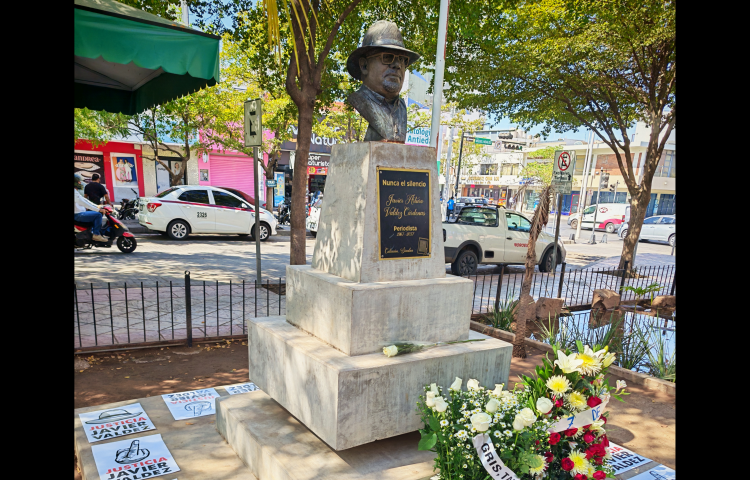
CPJ, press freedom organizations renew call for justice on 9th anniversary of journalist Javier Valdez Cárdenas’ murder
The Committee to Protect Journalists (CPJ) joined family members, journalists and other press freedom organizations in Culiacán, the capital of the northern Mexican state of Sinaloa, to renew a call for justice in the murder of journalist Javier Valdez Cárdenas. Valdez, a correspondent for Mexico City newspaper La Jornada and co-founder of weekly investigative magazine Ríodoce,…

CPJ and IAPA urge Mexican authorities to strengthen judicial response to crimes against the press
MEXICO CITY May 7, 2026 — The Committee to Protect Journalists (CPJ) joined the Inter American Press Association (SIP-IAPA) in a series of meetings with Mexico’s judicial leadership on Wednesday to address systemic impunity and the ongoing crisis of violence against the press. The delegation, which included CPJ Américas Director José Zamora and prominent regional editors, met…
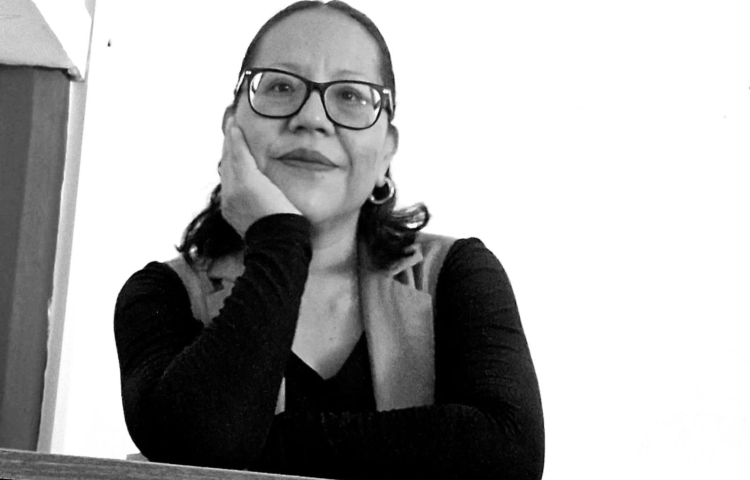
Mexican reporter threatened after covering construction project in Sinaloa
Mexico City, February 4, 2026—Authorities in the Mexican state of Sinaloa should immediately and comprehensively investigate threats against independent investigative journalist Sheila Arias and take all appropriate steps to ensure her safety, the Committee to Protect Journalists said Wednesday. Arias, based in the coastal resort city of Mazatlán, told CPJ that she had received threats…
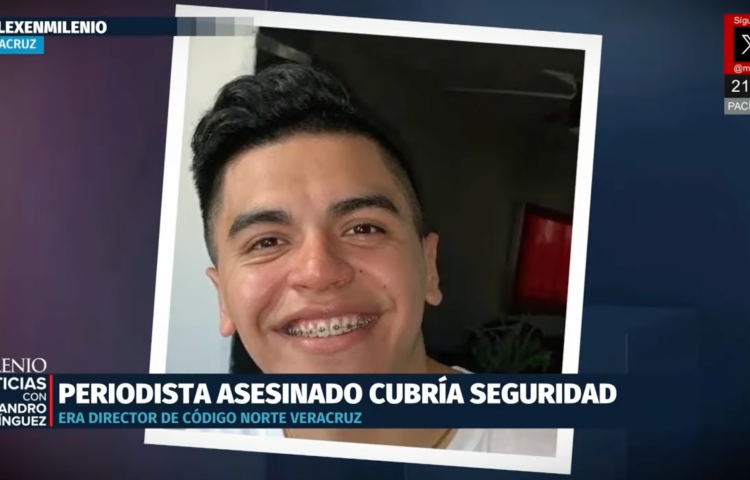
Mexican reporter’s death continues pattern of impunity after 6 journalists killed last year
Mexico City, January 14, 2026—The Committee to Protect Journalists calls on Mexican authorities to swiftly and comprehensively bring journalist Carlos Castro’s killers to justice and to end a troubling continuation of impunity after at least six journalist were killed in the country last year. Castro, 25, was shot dead January 8 while eating at a restaurant in the…
CPJ, Espacio OSC call on Mexican federal mechanism to solve failures in protective measures for journalists
The Committee to Protect Journalists joined Espacio OSC, a coalition of Mexican civil society organizations, in a joint statement expressing deep concern over irregularities in the implementation of basic protection measures for journalists by the Mexican Federal Mechanism for the Protection of Human Rights Defenders and Journalists. In 2012, the federal mechanism was created in…