
CPJ condemns 8-year sentence for Nicaraguan journalist Victor Ticay
Guatemala City, August 17, 2023 – The Committee to Protect Journalists on Thursday condemned the eight-year prison sentence issued to Nicaraguan journalist Victor Ticay and called for his immediate release from prison. “Nicaraguan authorities’ sentencing of journalist Victor Ticay to eight years in prison is another example of the government’s complete lack of tolerance for…
CPJ’s support to exiled journalists jumped 227% in 3 years, reflecting global press freedom crisis
Keep closely connected to your homeland and don’t despair: that is advice Syrian journalist Okba Mohammad said he would offer to Afghan journalists who fled after the August 2021 Taliban takeover. Mohammad knows firsthand the challenges of exile. In 2019, he made a new life in Spain after fleeing the Syrian civil war with CPJ’s…
Nicaraguan journalist Victor Ticay convicted on treason, false news charges
Guatemala City, June 12, 2023—Nicaraguan authorities should release journalist Victor Ticay from prison and ensure members of the press do not face criminal penalties for their work, the Committee to Protect Journalists said Monday. On Friday, June 9, a judge in the capital city of Managua convicted Ticay, a correspondent for the privately owned TV…
Jailed Nicaraguan journalist Victor Ticay accused of treason and false news
Guatemala City, May 22, 2023—Nicaraguan authorities should drop their criminal investigation into journalist Victor Ticay and release him immediately, the Committee to Protect Journalists said Monday. On May 19, prosecutors accused Ticay, a correspondent for the Nicaraguan TV station Canal 10, of treason and false news, according to multiple news reports. He has been held…

Nicaraguan journalist Hazel Zamora arrested, charged with spreading false news
Guatemala City, May 9, 2023—Nicaraguan authorities should drop all criminal charges against journalist Hazel Zamora and end their legal harassment of the press, the Committee to Protect Journalists said Tuesday. On May 5, police arrested Zamora while she traveled on a bus with her two children in the capital city of Managua, according to multiple…
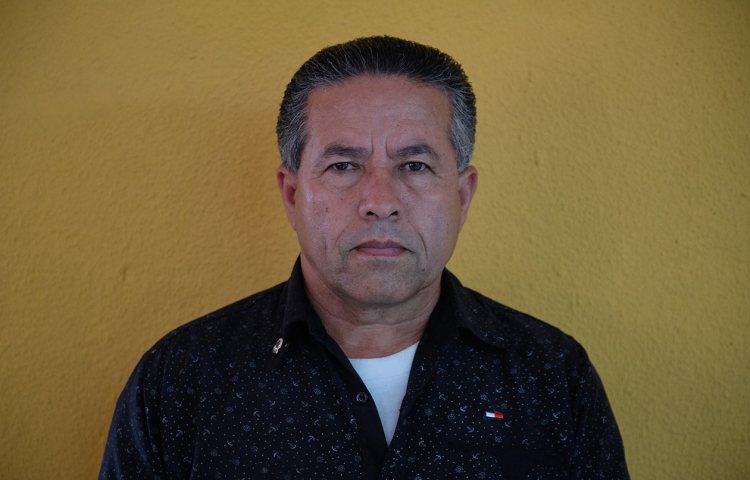
Nicaraguan police detain journalist William Aragón overnight on false news charge
New York, May 5, 2023—Nicaraguan authorities should drop all criminal charges against journalist William Aragón, let him work free from harassment, and cease detaining journalists for their work, the Committee to Protect Journalists said Friday. At about 6 p.m. on Wednesday, May 3, police arrested Aragón at his home in the city of Estelí and…
Journalist Victor Ticay arrested over coverage of Easter ceremony in Nicaragua
Guatemala City, April 7, 2023—Nicaraguan authorities should immediately release journalist Victor Ticay and cease detaining members of the press for their work, the Committee to Protect Journalists said Friday. On the morning of Thursday, April 6, police in the southwestern town of Nandaime arrested Ticay, a reporter for the privately owned TV broadcaster Canal 10,…
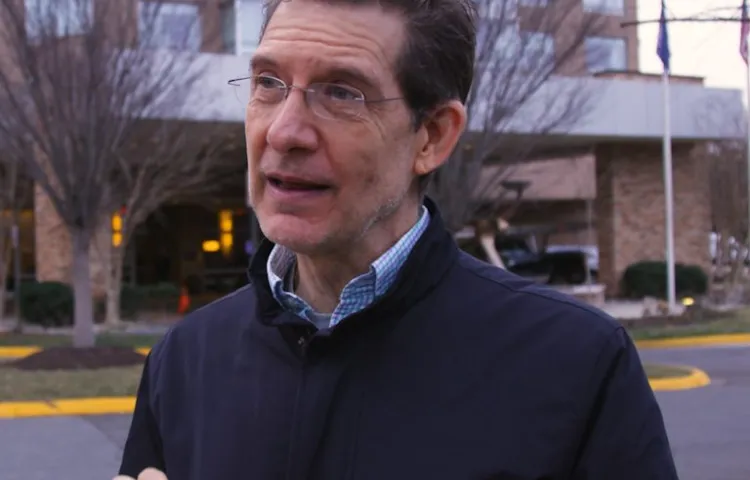
La Prensa’s Juan Lorenzo Holmann: ‘I turned around and said goodbye to Nicaragua’
Juan Lorenzo Holmann Chamorro was on the verge of sleep in his Nicaraguan jail cell when he was issued civilian clothes, taken to the airport, and told to sign a handwritten document agreeing to be deported to the United States. Holmann, the publisher of La Prensa, Nicaragua’s oldest newspaper, had been incarcerated since August 2021….
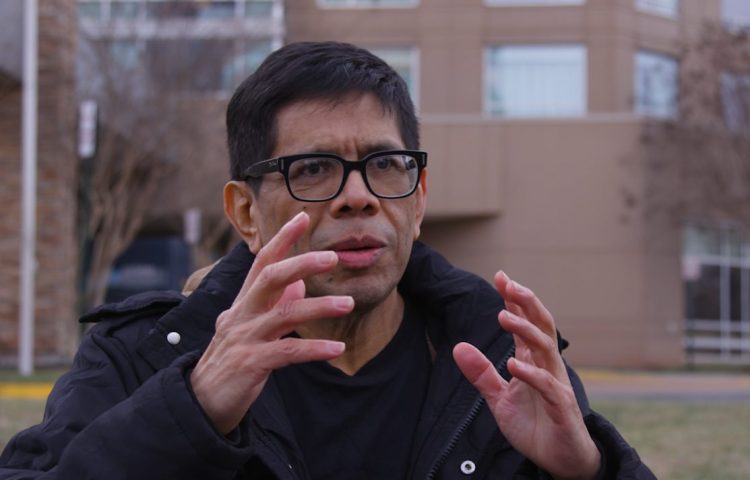
Nicaragua’s Miguel Mendoza on his bittersweet deportation from his ‘kidnapped’ country
Miguel Ángel Mendoza Urbina, a veteran sports journalist with over 30 years of experience, made a life-changing decision on April 19, 2018, when anti-government protests erupted in Nicaragua. He realized he could not just focus on sports while his country was in turmoil. Mendoza used his Twitter and Facebook accounts, with a combined following of…
CPJ: Nicaragua political prisoner release brings ‘sense of relief’
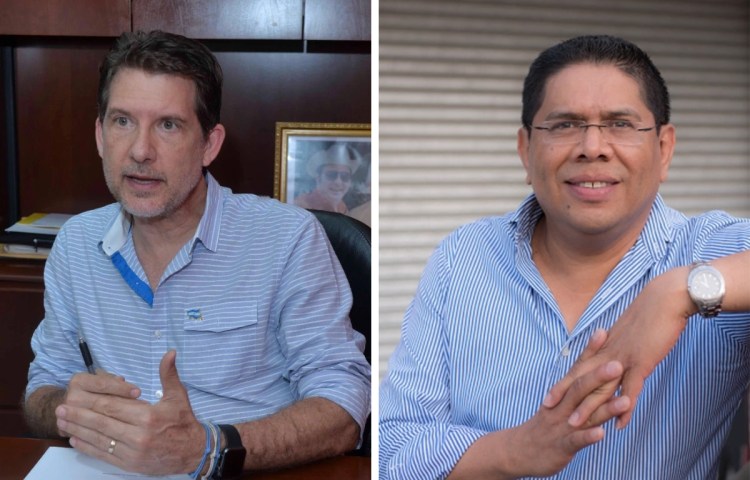
Los Angeles, February 9, 2023 — In response to news reports that Nicaraguan authorities freed and deported 222 political prisoners to the United States on Thursday, including at least one journalist, the Committee to Protect Journalists issued the following statement: “The deportation of political prisoners from Nicaragua, including at least one journalist, brings a sense…