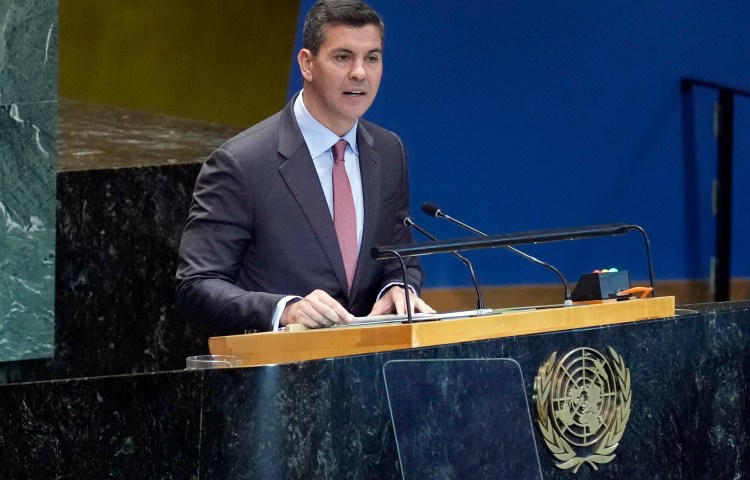
Press freedom in Paraguay threatened by proposed law to control nonprofits
São Paulo, October 17, 2024—The Committee to Protect Journalists calls on Paraguayan President Santiago Peña to reject a law that would impose burdensome restrictions on nonprofit news outlets and threaten their independence. On October 9, Paraguay’s Congress approved the Establishing Control, Transparency, and Accountability of Non-Profit Organizations Act and passed it to Peña, who has…
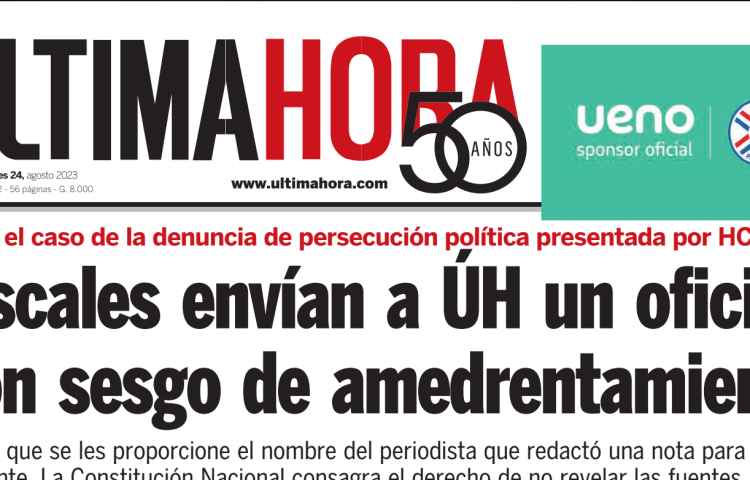
Paraguay authorities order 2 outlets to disclose authors of anonymous articles
São Paulo, August 28, 2023—The Paraguayan attorney general’s office should immediately retract letters sent to privately owned newspapers ABC Color and Última Hora demanding the outlets disclose the names of journalists who wrote stories about alleged money laundering, the Committee to Protect Journalists said Monday. On August 23, ABC Color and Última Hora received the official letters…

Journalist Alexander Álvarez shot and killed in Paraguay
Bogotá, February 16, 2023—Paraguayan authorities must thoroughly investigate the killing of journalist Alexander Álvarez, determine if he was targeted for his work, and bring those responsible to justice, the Committee to Protect Journalists said Thursday. On Tuesday, February 14, an unidentified attacker on a motorcycle shot Álvarez while he was in his car at a…
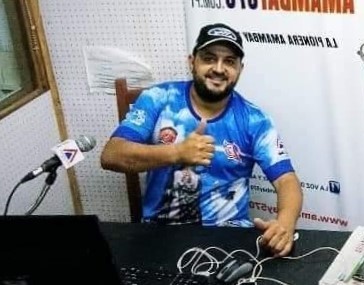
Paraguayan journalist Humberto Coronel shot and killed
Bogotá, September 8, 2022—Paraguayan authorities must thoroughly investigate the killing of journalist Humberto Coronel, determine if he was targeted for his work, and bring those responsible to justice, the Committee to Protect Journalists said Thursday. On Tuesday, September 6, an unidentified man on a motorcycle shot and killed Coronel as he left the office of…
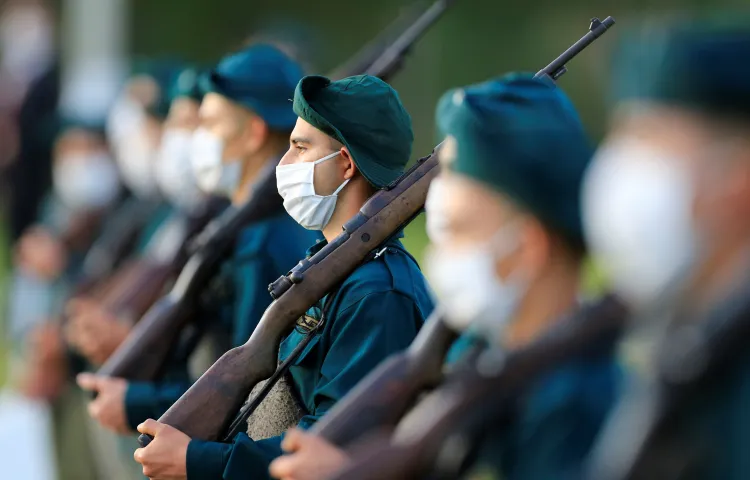
Paraguayan soldiers assault, detain journalist Roberto Esquivel
Miami, July 23, 2020 – Paraguayan authorities must thoroughly investigate the detention and assault of journalist Roberto Esquivel and ensure those responsible are held to account, the Committee to Protect Journalists said today. On July 18, Paraguayan soldiers detained Esquivel, a local freelance journalist, in the city of Bella Vista Norte, near the Brazilian border,…
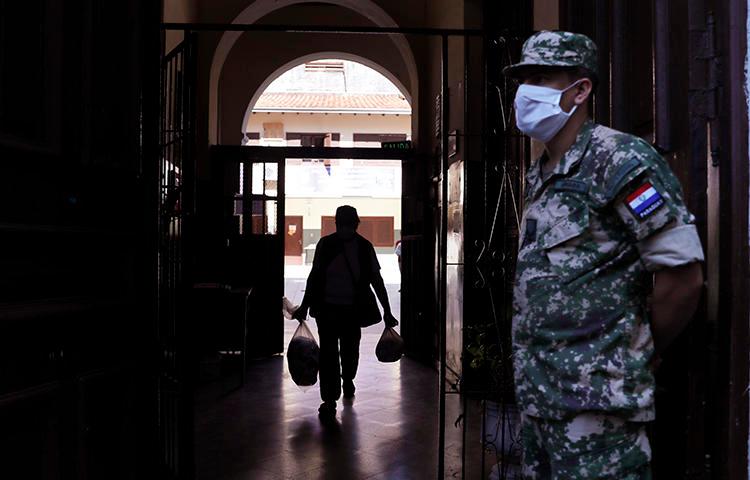
Hackers steal information from 2 journalists covering COVID-19 and corruption in Paraguay
Miami, May 6, 2020 — The Committee to Protect Journalists today commended the swift actions by Paraguayan authorities to investigate the hacking of journalists Juan Clari Arias and Jorge Torres’ phones, and urged them to see the investigation to its conclusion and hold those responsible to account.
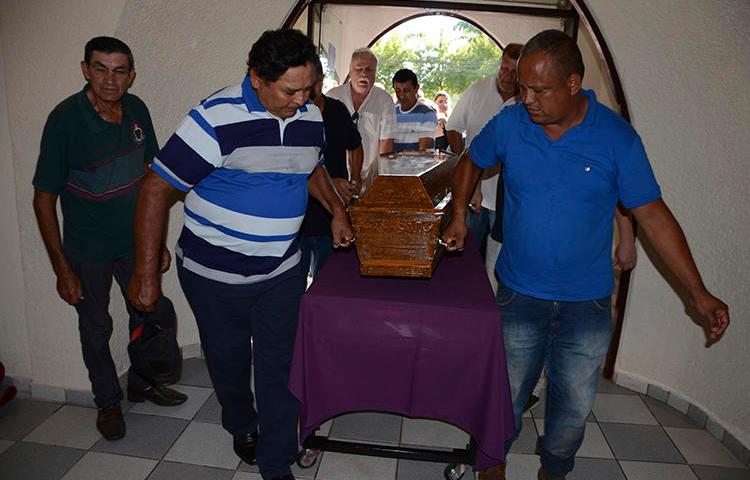
Brazilian journalist Léo Veras shot and killed in Paraguay
Rio de Janeiro, February 14, 2020 — Authorities in Brazil and Paraguay must work together to promptly and thoroughly investigate the killing of Brazilian journalist Lourenço “Léo” Veras and bring those responsible to justice, the Committee to Protect Journalists said today.
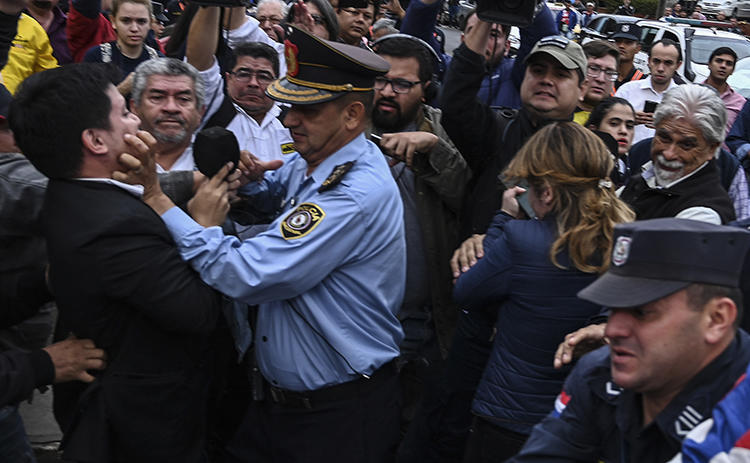
Journalists shot with rubber bullets, groped while covering Paraguay protest
Miami, July 25, 2019 — Paraguay authorities should thoroughly investigate attacks against journalists at a protest in Asunción and take measures to ensure that journalists can cover protests without being injured or assaulted, the Committee to Protect Journalists said today.
CPJ calls on Paraguay to reject social media regulations
The Committee to Protect Journalists, along with more than 20 international and local rights organizations sent a letter to Paraguayan lawmakers on October 25, calling on them to reject a proposed law regulating anonymous online posts during elections.
Paraguayan judge releases drug trafficker who had planned to kill journalist
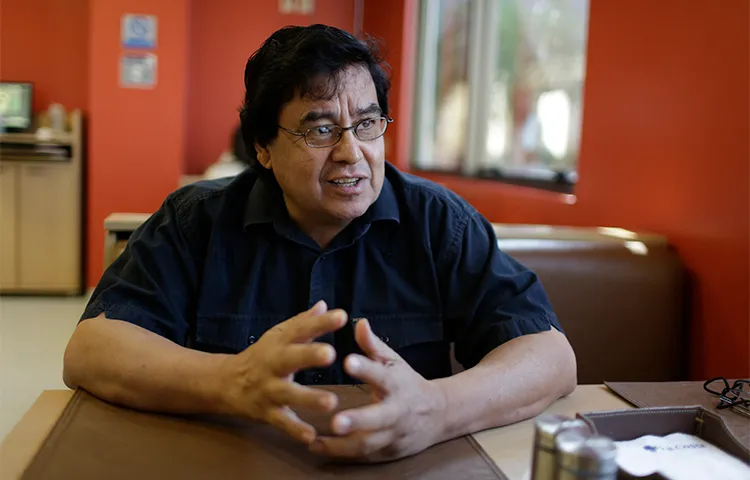
New York, September 11, 2017–The Committee to Protect Journalists is concerned for the safety of Paraguayan journalist Cándido Figueredo Ruiz following the release from prison of an alleged drug trafficker who had previously planned to kill him.