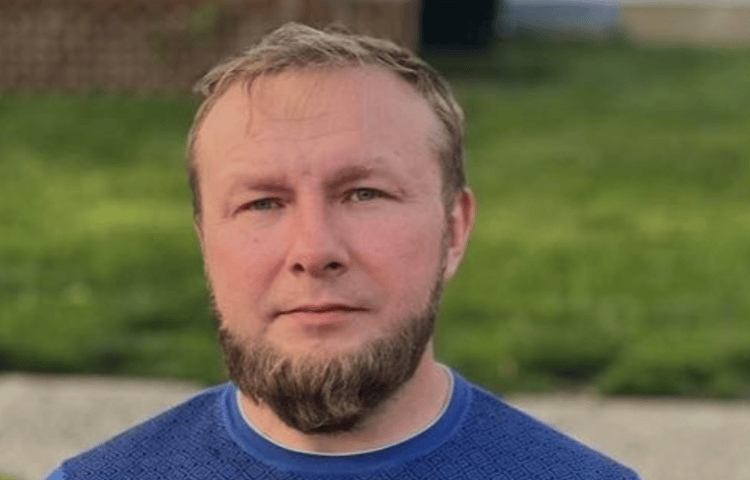
CPJ calls for release of dissident Russian journalist Vladimir Driagin
Miami, October 20, 2026—The Committee to Protect Journalists calls for the release of dissident Russian journalist Vladimir Driagin, who has been held under detention by Immigration and Customs Enforcement for almost a year despite volunteering to be deported. In July, he was transferred to the Adams County Correctional Center in Natchez, Mississippi, but he could…
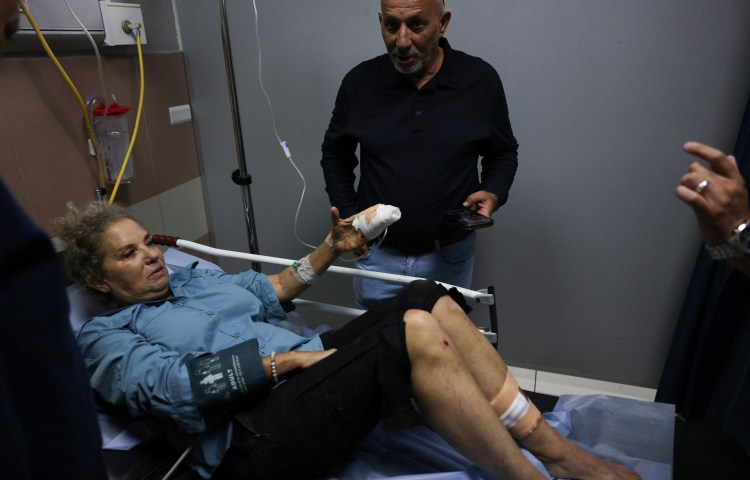
CPJ to Israel: Investigate assault on Washington Post journalist Heidi Levine
The Committee to Protect Journalists has written to Israel’s ambassador to the United States, Yechiel (Michael) Leiter, demanding a criminal investigation into October 16’s violent assault on Washington Post photographer Heidi Levine while covering the olive harvest in the occupied West Bank. Levine was assaulted by masked settlers despite wearing a clearly marked “Press” vest….
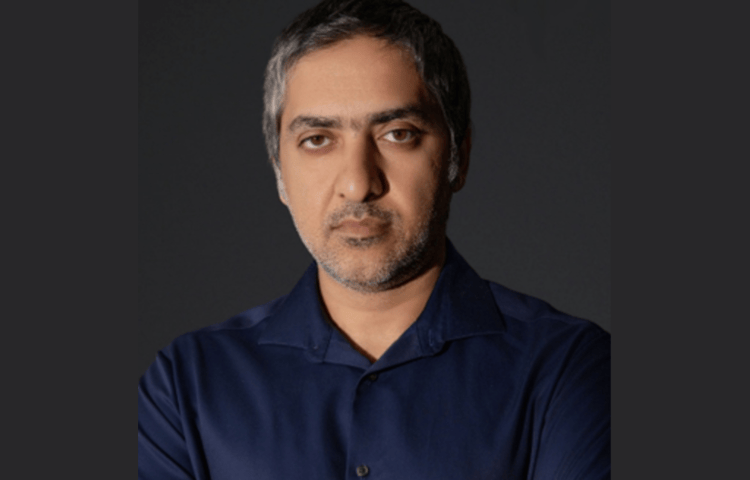
CPJ condemns digital harassment of Iranian investigative journalist Mohammad Jorjandi
Miami, October 19, 2026—The Committee to Protect Journalists condemns the digital harassment and doxxing of exiled Iranian investigative journalist and cybersecurity expert Mohammad Jorjandi and his family. Living in the U.S. since 2016, Jorjandi is the founder of Webamooz, an independent outlet covering cybercrime and online financial fraud for Persian-speaking audiences, with selected investigations in…
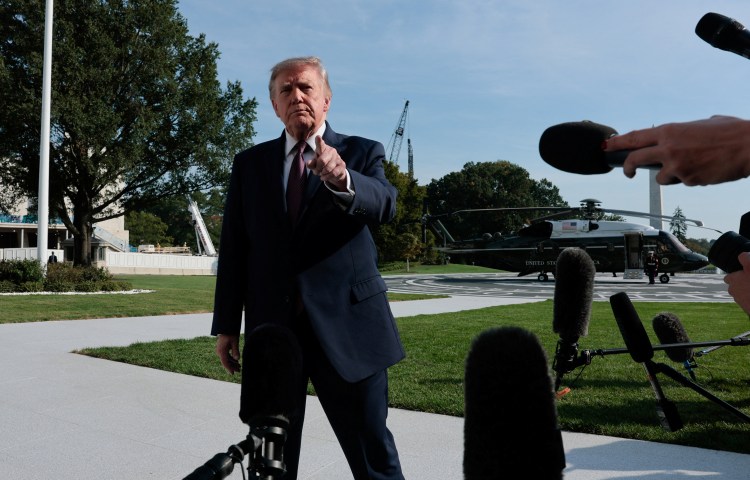
CPJ joins legal effort to restore White House press access
The Committee to Protect Journalists (CPJ) joined an amicus brief authored by the Reporters Committee for Freedom of the Press (RCFP) in support of a lawsuit filed by CNN, MS NOW, and Politico against the Trump administration for banning the outlets’ access to the White House beginning September 19. A federal judge granted a temporary restraining order…
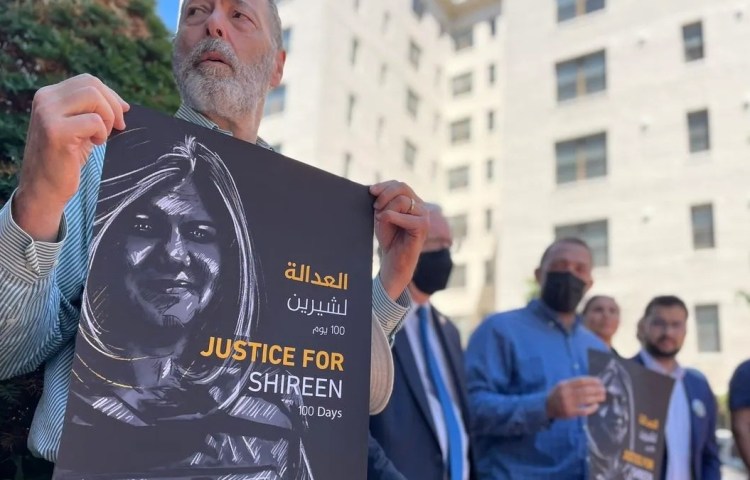
CPJ urges US senators to seek accountability for Israel’s killing of journalist Shireen Abu Akleh
CPJ joined civil society organizations in a letter to the U.S. Senate on September 23, urging senators to co-sponsor and vote “yes” on Sen. Chris Van Hollen’s Section 502B(c) privileged resolution requiring the U.S. State Department to report to Congress on escalating human rights violations in the West Bank, including the killings of U.S. citizens….

Leading news outlets issue statement in defense of a US free press
New York, September 21, 2026—U.S.-based news organizations, including the Associated Press, Bloomberg, New York Times, Reuters, Wall Street Journal, and Washington Post have joined a statement affirming the importance of a free press after President Donald Trump barred journalists from CNN, MS NOW, and Politico from the White House. The statement, organized by the Committee…
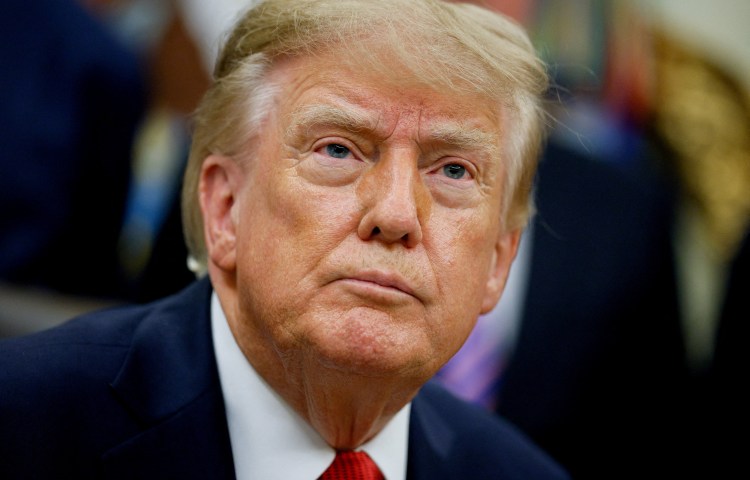
CPJ: President Trump’s arbitrary CNN, MS NOW, Politico ban violates First Amendment rights
Miami, September 18, 2026—President Donald Trump’s order to ban news outlets CNN, MS NOW and Politico from White House news coverage violates First Amendment rights and is an alarming escalation of how far this administration will go to control the narrative and silence critical, fact-based, news coverage, said the Committee to Protect Journalists on Friday….
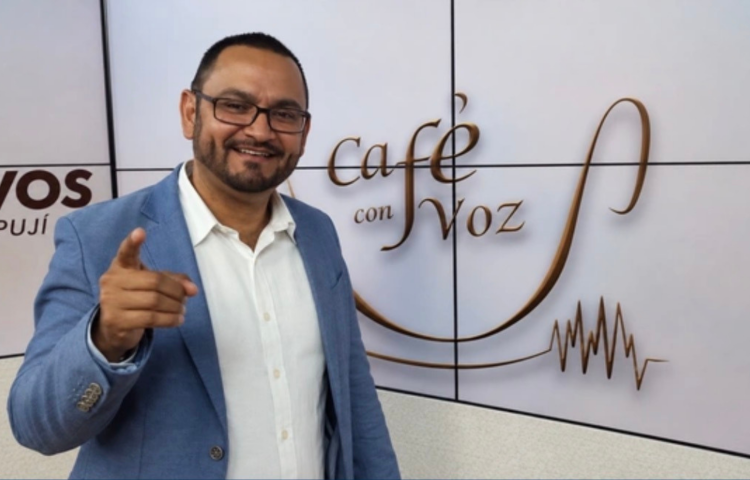
CPJ, partners call for Nicaraguan journalist Luis Galeano’s release from ICE detention
The Committee to Protect Journalists joined 14 other press freedom and civil society organizations in condemning the detention of Miami-based journalist Luis Galeano by U.S. Immigration and Customs Enforcement, and called for his immediate release. Galeano, director of the Spanish-language outlet Café con Voz, was detained September 14 while working as a rideshare driver. He…
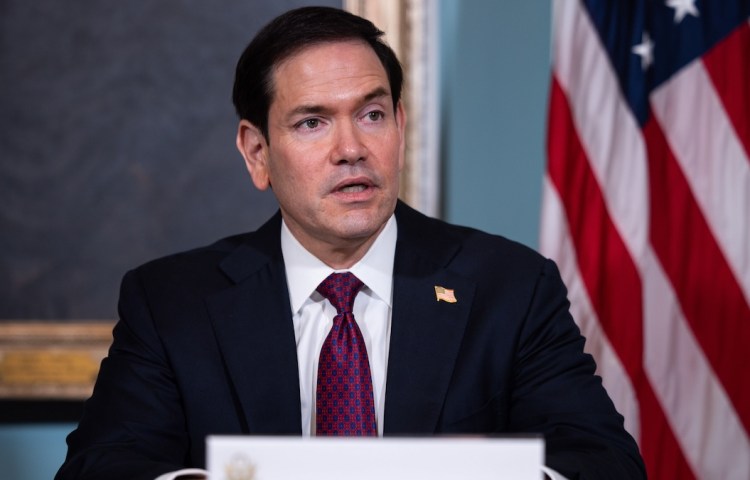
CPJ, partners call on Rubio to press for release of imprisoned Vietnamese journalists
The Committee to Protect Journalists and nine partner organizations sent a joint letter to U.S. Secretary of State Marco Rubio urging him to press for the immediate release of imprisoned journalists during upcoming high-level meetings with senior Vietnamese officials. The public letter, released September 16, urges Rubio to prioritize the humanitarian release of Vietnamese journalists Le…
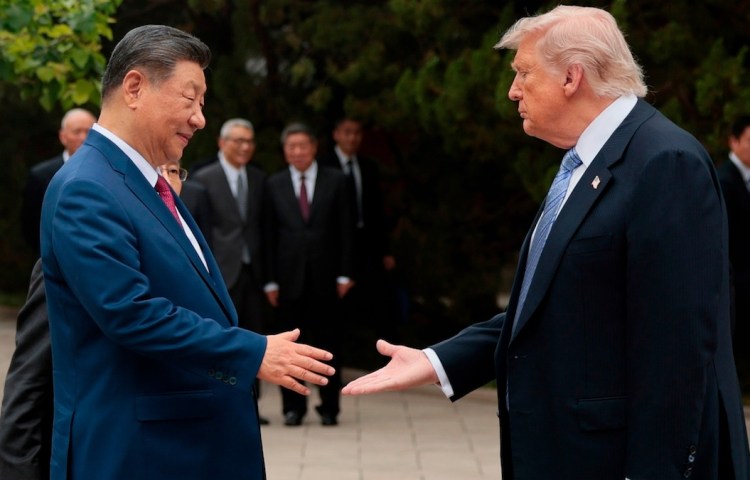
CPJ urges US Congress, Trump to press for Jimmy Lai’s release ahead of Xi visit
The Committee to Protect Journalists has called on the U.S. Congress and the Trump administration to “resolutely demand” for the release of jailed Hong Kong publisher Jimmy Lai, ahead of a meeting between President Donald Trump and Chinese President Xi Jinping. U.S. authorities must use “all available diplomatic means and opportunities” to secure Lai’s freedom,…