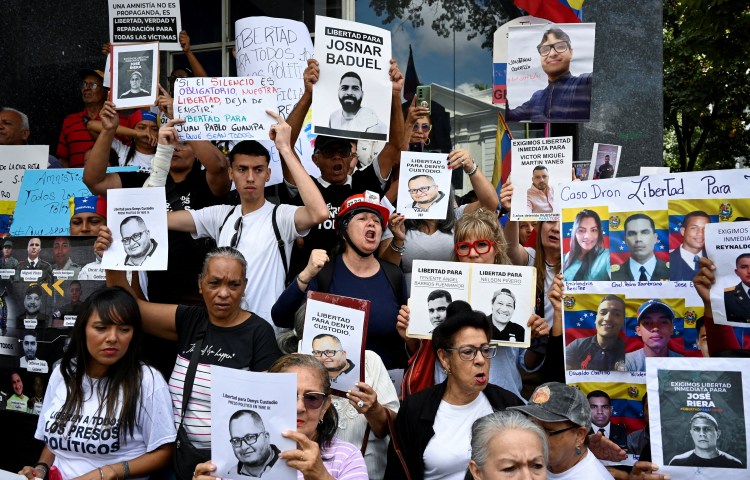
Freed Venezuelan journalist says time behind bars ‘made me feel desperate’
Following the January 3 American military operation that captured Venezuelan President Nicolás Maduro, the country’s interim government has released hundreds of political prisoners, among them journalist Nakary Ramos. Ramos, 29, was arrested with her videographer husband, Gianni González, on April 8, 2025, after the online news site Impacto Venezuela aired their report on crime rates…
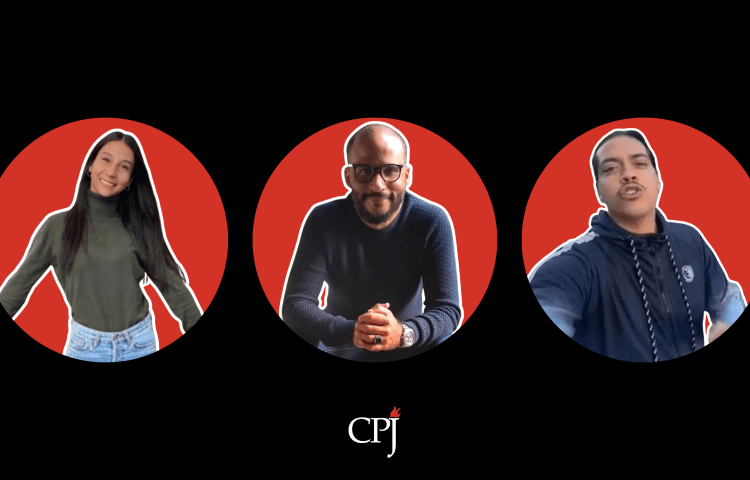
CPJ calls for immediate release of 3 imprisoned Venezuelan journalists
The Committee to Protect Journalists calls on Venezuelan authorities to immediately and unconditionally release journalists Rory Branker, Nakary Mena Ramos, and Gianni González, drop all charges against them, and ensure that journalists in Venezuela can work freely and without fear of retaliation. “Pervasive attempts to silence critical voices under Venezuela’s Chavez and Maduro regimes must…
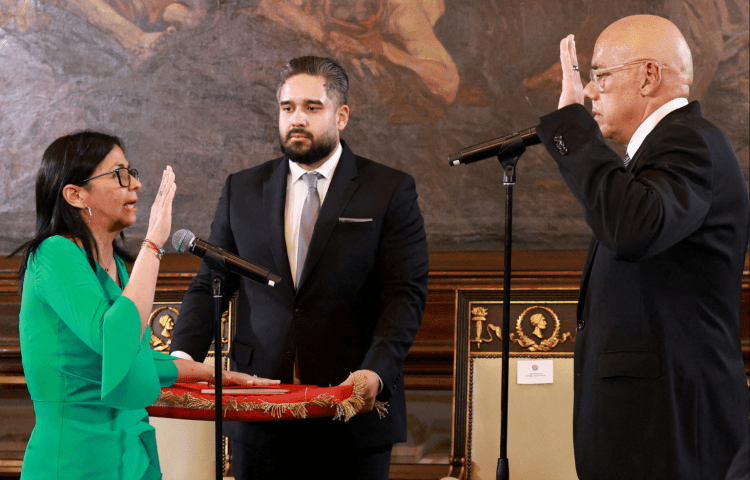
At least 14 journalists detained during presidential inauguration in Venezuela
Mexico City, January 6, 2026—The Committee to Protect Journalists strongly condemns the detention of at least 14 journalists and media workers in Caracas during the inauguration ceremony of Delcy Rodríguez as president, and urges Venezuelan authorities to guarantee that journalists can report freely without intimidation, surveillance, or retaliation. On January 5, 13 journalists and media…
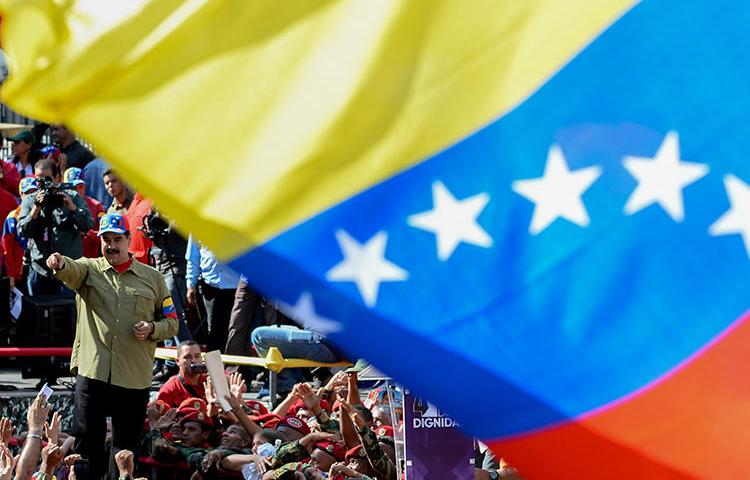
CPJ, 37 others urge respect for human rights, press freedom in Venezuela’s transition
The Committee to Protect Journalists joined 37 other civil society and press freedom organizations in a joint statement calling on Venezuelan authorities to guarantee a peaceful and democratic transition that respects human rights and freedom of expression after President Nicolás Maduro was captured by the United States in a January 3 strike. As documented by CPJ, Maduro’s administration launched a media…
CPJ calls on Venezuelan government to release human rights defender
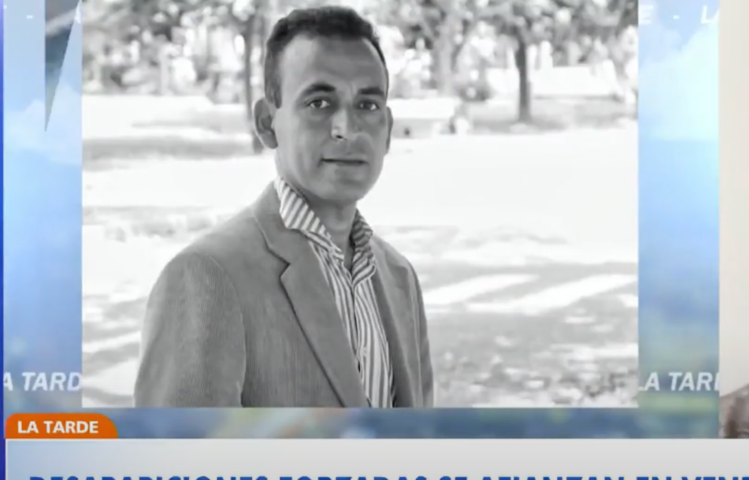
CPJ and 24 other international press freedom groups, led by IFEX, signed an open letter urging the Venezuelan government to immediately release lawyer and human rights defender Eduardo Torres, a member of the Venezuelan Program for Human Rights Education-Action. Government officials confirmed that Torres was detained May 13 but have since provided no information on…

Venezuelan authorities arrest 2 journalists in connection with crime report
Bogotá, April 11, 2025—Venezuelan authorities should immediately release journalist Nakary Mena Ramos and her camera operator husband, Gianni González, drop all charges against them, and ensure they can do their jobs without fear of reprisal, the Committee to Protect Journalists said Friday. “The Venezuelan government’s crackdown on the press has persisted for months, intensifying following…
Venezuela detains journalist covering anti-government protests on preliminary charge of terrorism
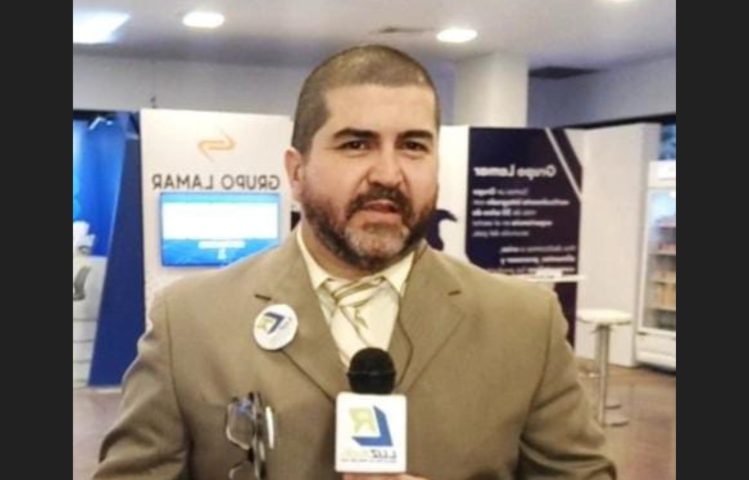
Bogotá, January 15, 2025–Venezuelan authorities should immediately release journalist Leandro Palmar and his assistant Belises Salvador Cubillán, who were detained January 9 in the western city of Maracaibo while covering anti-government protests, media outlets reported, and ensure they can do their jobs without fear of reprisal, said the Committee to Protect Journalists on Tuesday. A criminal…
CPJ signs joint statements in support of disappeared Venezuelan journalist Carlos Correa
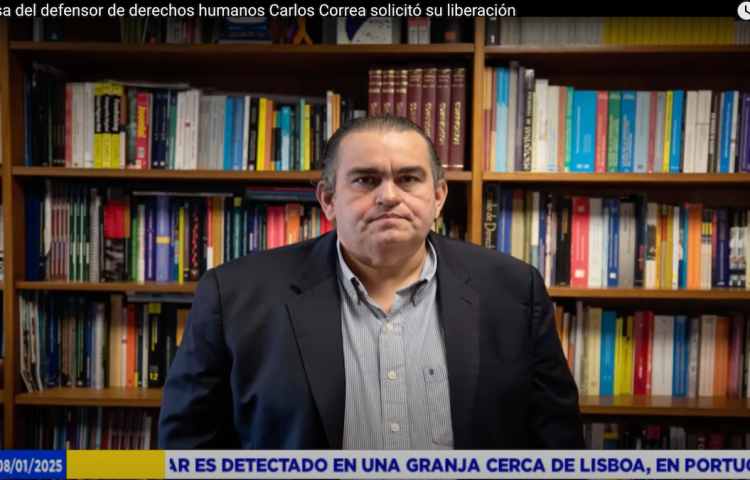
On January 8, CPJ joined 29 press freedom and advocacy organizations in a statement demanding the immediate release of Venezuelan journalist Carlos Correa, director of Caracas-based press freedom group Espacio Público, who was forcibly disappeared the previous day in the capital. On January 9, CPJ signed another joint statement along with six organizations urging the…

VPNs, training, and mental health workshops: How CPJ helped journalist safety in 2024
Haitian journalist Jean Marc Jean was covering an anti-government protest in Port-au-Prince in February 2024 when he was struck in the face by a gas canister fired by police into the crowd. One of at least five journalists injured while covering civil unrest in the country that month, Jean arrived at the hospital with a…
CPJ, partners document Venezuela’s intensified repression of journalists in new report
Venezuela has seen a sharp rise in journalist repression following the disputed July 28 reelection of President Nicolás Maduro amid fraud allegations, according to a new report published by the Committee to Protect Journalists with seven other press freedom groups. The report details a heightened environment of fear, stigmatization, and criminalization of independent voices, creating “news deserts” where millions…