Venezuela
2010
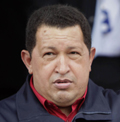
CPJ condemns two Venezuelan media laws
New York, December 21, 2010–President Hugo Chávez Frías must veto two laws regulating the Internet and telecommunications that could promote further censorship and seriously limit freedom of expression in Venezuela, the Committee to Protect Journalists said today. Both provisions were passed on Monday by the National Assembly.
Venezuela media bills would harm freedom of expression
New York, December 14, 2010–The Venezuelan legislature should reject proposed legal reforms that would harm freedom of expression, the Committee to Protect Journalists said today. Legislation that would regulate Internet content and could force broadcaster Globovisión off the air are up for consideration this week in the Venezuelan National Assembly.
Internet Blotter
Venezuela prepares law to regulate media, including the Internet. Iranian blogger Hossein Derakhshan briefly released from jail on $1.5 million bail… …but fellow Iranian-Canadian anti-censorship software designer Saeed Malekpour still faces death penalty. Syrian telecom minister says awareness of the dangers, not censorship of the Internet is the solution.
Internet Blotter
Wikileaks hit by denial-of-service attack, turns to Amazon hosting… …but Amazon drops the site following pressure from a U.S. senator. Google extends its https encryption to YouTube, making video blocking harder. Censorship of the Net directly related to how authoritarian a regime is, claims a study. Venezuala’s telecom regulator proposes stronger takedown powers over Internet…
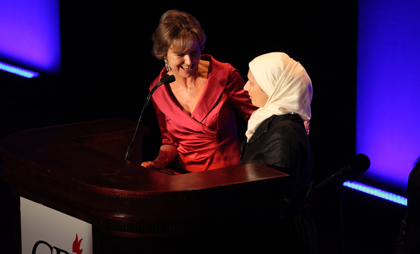
Journalists on the frontlines of press freedom honored
New York, November 24, 2010–Outstanding journalists at the forefront of the battle for press freedom in Ethiopia, Iran, Russia, and Venezuela were honored Tuesday evening at the Committee to Protect Journalists’ 20th Annual International Press Freedom Awards benefit dinner.
Laureano Márquez IPFA 2010 Video
Laureano Márquez, a columnist for Tal Cual in Venezuela, was accused of orchestrating a coup based on satirical columns about President Hugo Chávez. His persecution highlights the Venezuelan government’s systematic attacks on journalists. Márquez is a 2010 CPJ International Press Freedom Awardee. Read about other awardees here.
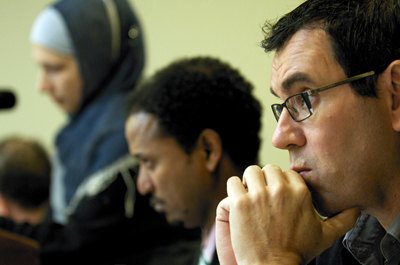
CPJ Press Freedom Awardee: ‘I always wanted answers’
The last few weeks have been extremely busy for everyone at CPJ as we’ve been preparing for the 2010 International Press Freedom Awards. Today’s press conference in Washington will be followed by a series of events culminating in our awards ceremony Tuesday in New York. As always, the awardees make it special.
Online freedom of expression in Latin America
On his blog, El Oso, David Sasaki has just finished up the third and last part in his series, “Internet Censorship and Freedom of Expression in Latin America.” It’s a brilliant overview of current political and social pressures on free speech and online reporting in the region. Some key observations: Direct governmental censorship in Latin…
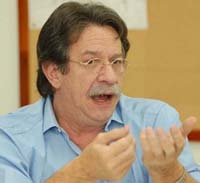
Colombia nabs alleged mastermind in Sambrano murder
New York, August 23, 2010–The alleged mastermind in the 2009 murder of Venezuelan journalist Orel Sambrano, at left, was arrested Thursday in Colombia and is now facing extradition to Venezuela, local and international press reported.Colombian authorities arrested Walid Makled García in the city of Cúcuta, near the border with Venezuela, according to news reports. A warrant was issued in…
Venezuelan censorship over morgue photos is selective
A controversial ruling by a Venezuelan court banning print media from publishing images of violence was partially reversed on Thursday following an international outcry from media, rights groups, and United Nations and Organization of American States officials.