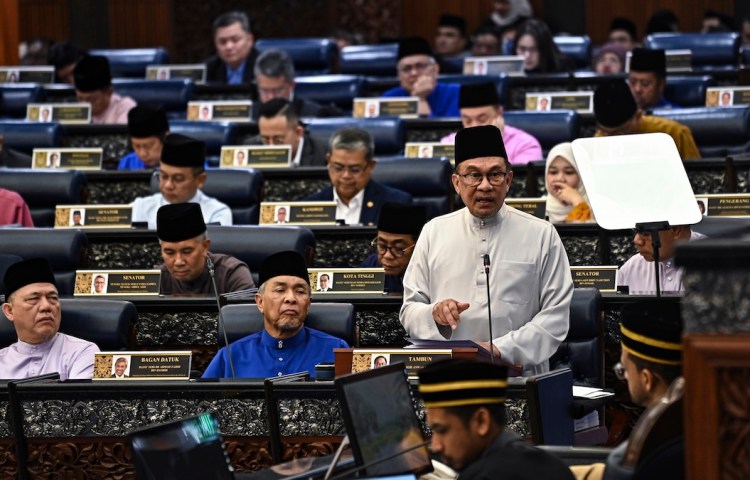
CPJ urges Malaysia to strengthen FOI bill to advance press freedom, democracy
Jakarta, September 24, 2026—The Committee to Protect Journalists calls on the Malaysian government to substantially amend a freedom of information (FOI) bill to bring it in line with international standards and strengthen press freedom. A draft of the legislation was introduced for its first reading in the lower house of Malaysia’s parliament on July 13…
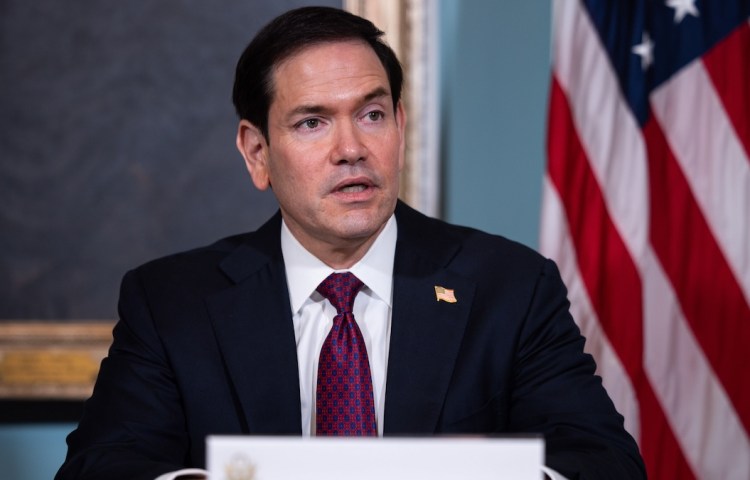
CPJ, partners call on Rubio to press for release of imprisoned Vietnamese journalists
The Committee to Protect Journalists and nine partner organizations sent a joint letter to U.S. Secretary of State Marco Rubio urging him to press for the immediate release of imprisoned journalists during upcoming high-level meetings with senior Vietnamese officials. The public letter, released September 16, urges Rubio to prioritize the humanitarian release of Vietnamese journalists Le…
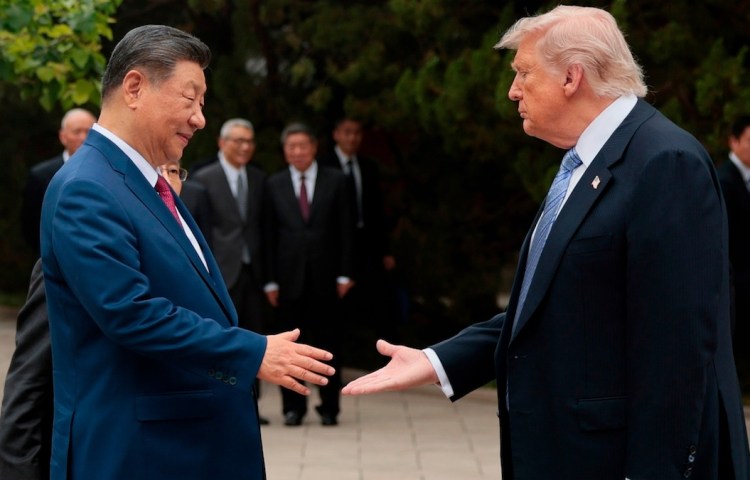
CPJ urges US Congress, Trump to press for Jimmy Lai’s release ahead of Xi visit
The Committee to Protect Journalists has called on the U.S. Congress and the Trump administration to “resolutely demand” for the release of jailed Hong Kong publisher Jimmy Lai, ahead of a meeting between President Donald Trump and Chinese President Xi Jinping. U.S. authorities must use “all available diplomatic means and opportunities” to secure Lai’s freedom,…

CPJ, partners urge China to ensure #MeToo journalist Sophia Huang’s freedom as jail term nears end
New York, September 15, 2026—The Committee to Protect Journalists and partner organizations call on the Chinese authorities to ensure journalist Sophia Huang Xueqin is freed without any arbitrary restrictions, as she approaches the end of a five-year prison sentence. Huang, whose reporting on human rights and sexual abuse helped spark China’s #MeToo movement, is due…
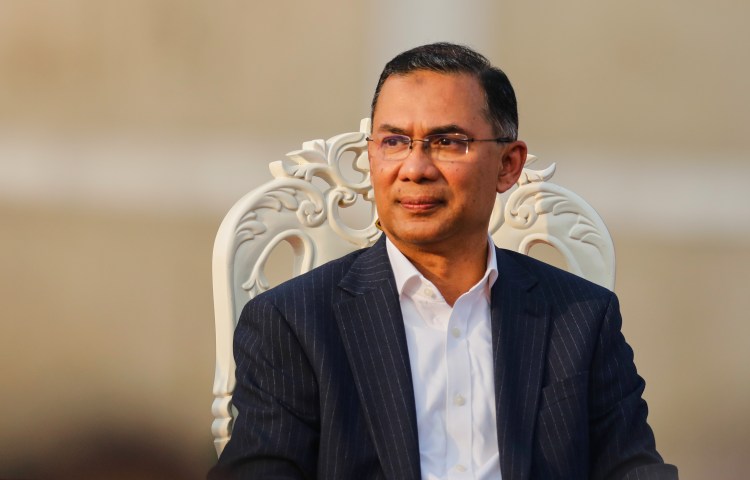
Bangladeshi journalists face 10-year jail terms for ‘unverified’ reporting under draft cybercrime law
Dhaka, September 14, 2026—Bangladesh’s government must immediately withdraw or substantially revise proposed amendments to the Cyber Protection Act that would criminalize reporting officials deem unverified, and grant authorities the power to block journalists’ work and deregister news outlets, the Committee to Protect Journalists said Monday. The draft amendments, which the Ministry of Information and Broadcasting…
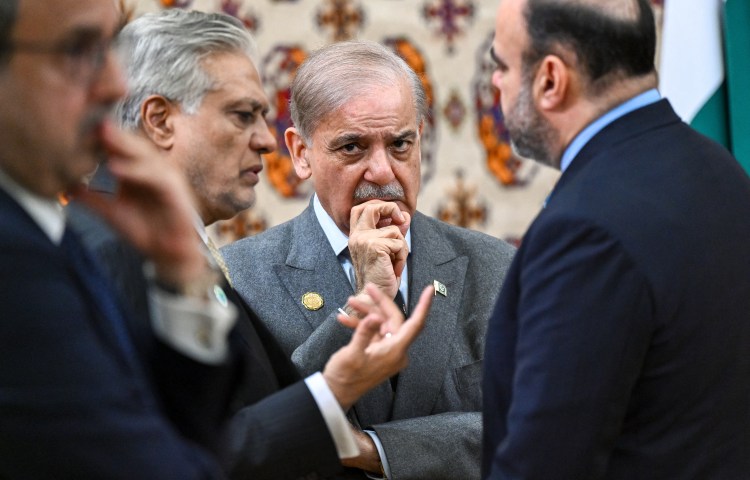
CPJ, partners call Pakistan’s prime minister to address alarming deterioration in press freedom
The Committee to Protect Journalists, together with eight other press freedom and human rights organizations, on Friday urged Pakistan’s Prime Minister Shehbaz Sharif to take immediate action to address the country’s rapidly deteriorating press freedom environment. In a joint letter, the groups expressed concern about new restrictions on reporting in parts of Pakistan, recurring internet…
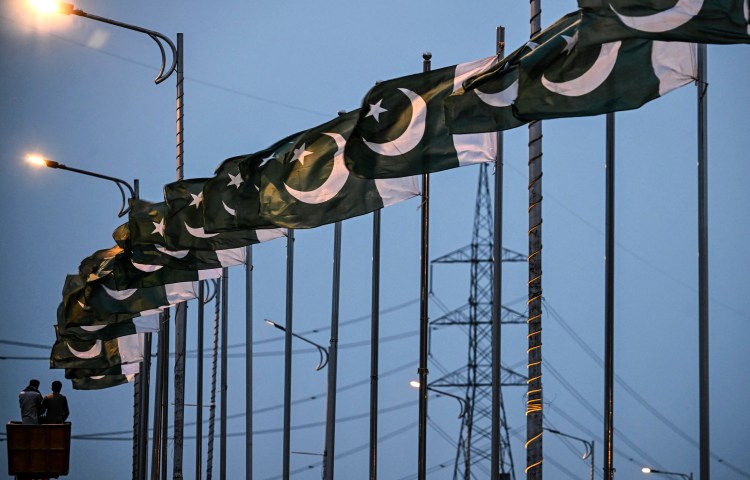
Pakistan detains journalist Muhammad Bilal Ghauri over commentary on security appointment
New York, September 9, 2026—Pakistani authorities must immediately release independent journalist Muhammad Bilal Ghauri and drop the cybercrime case filed against him over his commentary about the appointment of a senior counterterrorism official, the Committee to Protect Journalists said Tuesday. Ghauri, who covers news via his popular YouTube channel, was reported missing by his family…
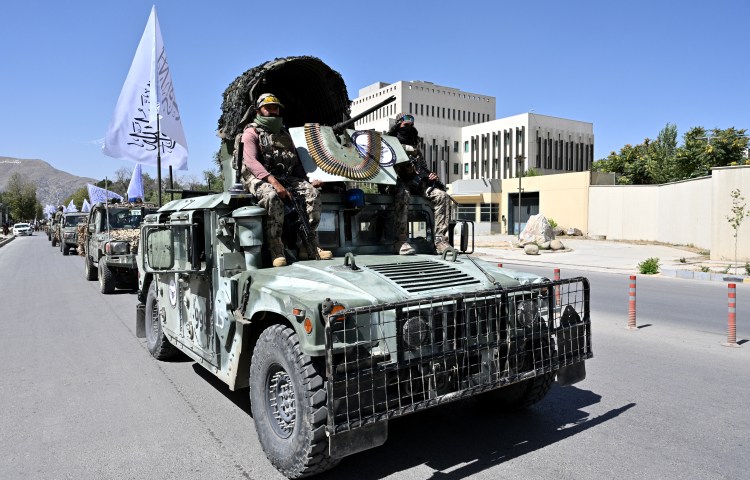
Taliban shut down Rah-e-Farda TV after coverage of crackdown on Shiite minority
New York, September 7, 2026—Taliban authorities must allow independent broadcaster Rah-e-Farda TV to resume operations, immediately release its owner, Salman Akhlaqi, and end their crackdown on news outlets serving Afghanistan’s persecuted Shiite Hazara community, the Committee to Protect Journalists said on Monday. On September 6, Taliban security forces raided Rah-e-Farda TV’s office in the capital…
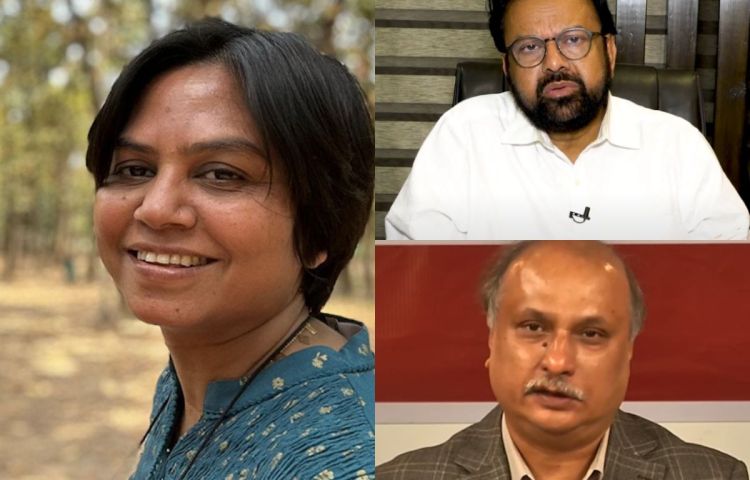
Bangladesh war crimes tribunal issues fresh warrants for 3 journalists over press conference questions
New Delhi, August 18, 2026—The Committee to Protect Journalists calls on Bangladeshi authorities to drop their new crimes against humanity case against journalists Shyamal Dutta, Mozammel Babu, and Farzana Rupa, and stop criminalizing news reporting. Bangladesh’s International Crimes Tribunal (ICT) on Monday ordered prison authorities to produce the journalists, who have been detained since 2024…
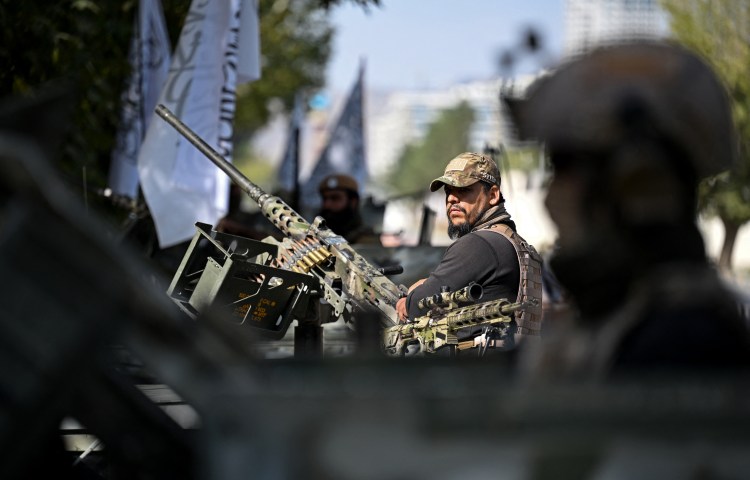
5 years after Taliban takeover, CPJ calls for an end to deepening repression of journalists
New York, August 14, 2026—Five years on from the Taliban’s seizure of Afghanistan, the Committee to Protect Journalists calls on the group to halt its brutal repression of the press — particularly women journalists — and lift sweeping restrictions that have cut access to independent information and allowed a propaganda ecosystem to flourish. After capturing…