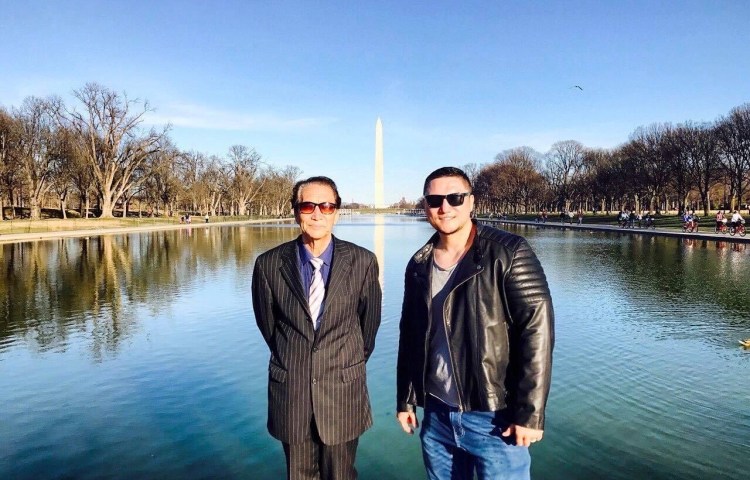
‘I couldn’t remain silent’: Son fights for Uyghur journalist’s release from Chinese prison
The last time Bahram Sintash saw his journalist father was in 2017. Qurban Mamut, an influential Uyghur editor had come to the United States for a visit but upon his return to Xinjiang in northwest China, he disappeared. Sintash later learned that his father had been swept up in China’s 2017 crackdown on Uyghurs and…
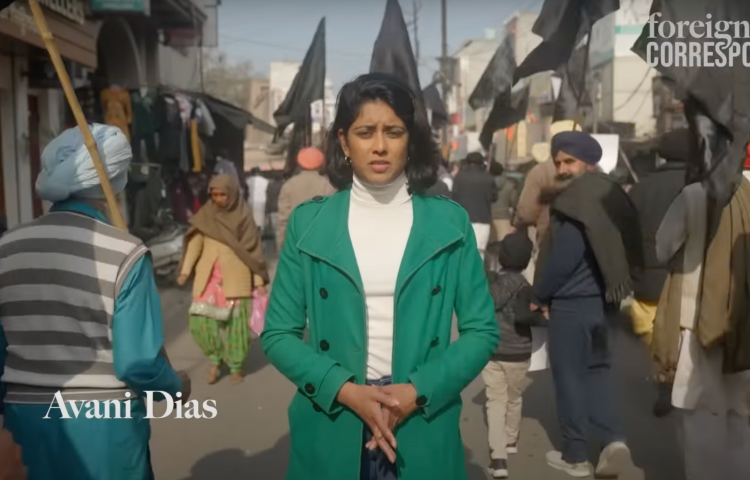
Australian journalist Avani Dias leaves India over visa delay, censorship
New Delhi, April 23, 2024—Indian authorities should safeguard press freedom and stop using visa regulations to prevent foreign journalists covering sensitive subjects, the Committee to Protect Journalists said Tuesday. Avani Dias, South Asia bureau chief for the Australian Broadcasting Corporation (ABC), left India on April 19, the first day of India’s election, after being told…
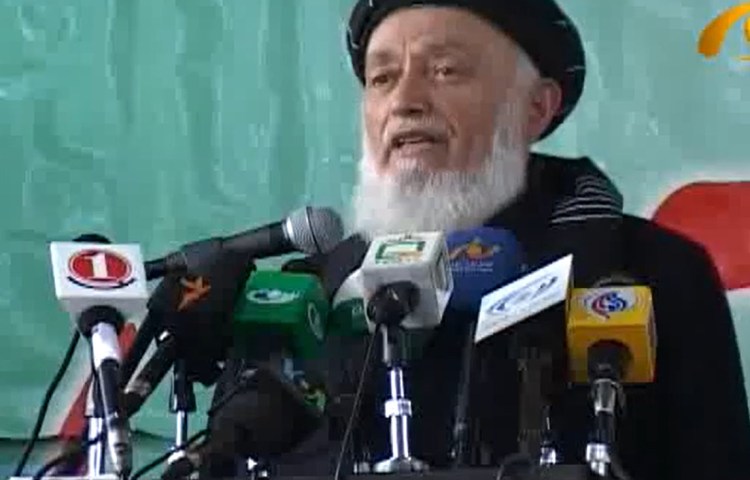
Taliban shuts down broadcasters Noor and Barya, seals Noor offices
New York, April 18, 2024—The Taliban must cease their relentless suppression of independent media in Afghanistan and allow private broadcasters Noor TV and Barya TV to resume operations, the Committee to Protect Journalists said Thursday. On Tuesday, the Media Complaints and Rights Violations Commission banned the two broadcasters for violating “national and Islamic values,” without…

Indian journalists’ 2024 election concerns: political violence, trolling, device hacking
As the scorching summer peaks this year, India’s political landscape is coming to a boil. From April 19 until June 1, the world’s biggest democracy will hold the world’s biggest election, which the Hindu nationalist Bharatiya Janata Party (BJP) of Prime Minister Narendra Modi, who has been in power since 2014, is expected to win….

CPJ calls on Taliban to drop plans to restrict Facebook access in Afghanistan
New York, April 8, 2024 – The Committee to Protect Journalists is alarmed by reports that the Taliban plans to restrict or block access to Facebook in Afghanistan and calls on authorities not to move ahead on a measure that would further impede the free flow of information in the country. On April 6, Najibullah Haqqani, the Taliban’s acting…
Exiled Afghan journalist Ahmad Hanayesh shot in Pakistan
New York, April 4, 2024—Pakistani authorities must promptly investigate Wednesday’s shooting of exiled Afghan journalist Ahmad Hanayesh by two gunmen on a motorcycle and bring the assailants to justice, the Committee to Protect Journalists said Thursday. Hanayesh, also known by his birth name Abdul Aleem Saqib, was returning home on the evening of April 3…
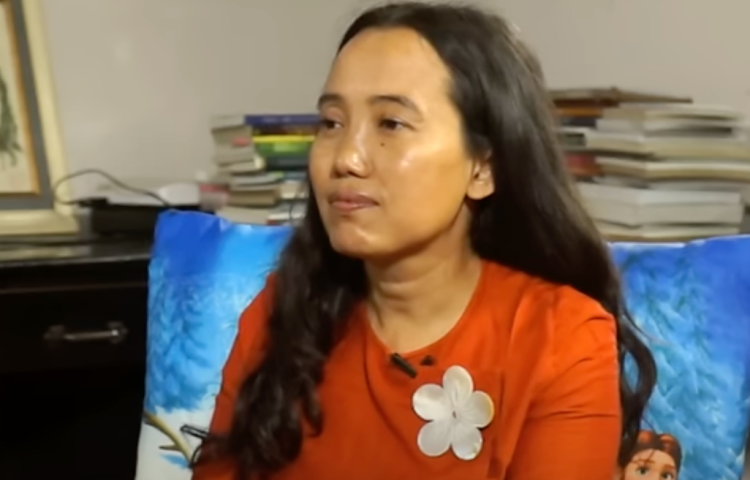
Myanmar jails filmmaker Shin Daewe for life for buying a drone
Award-winning Myanmar documentary filmmaker Shin Daewe is serving a life sentence on charges of illegal possession of an unregistered drone, a criminal offense under the country’s Anti-Terrorism Law, according to news reports. Shin Daewe was arrested on October 15, 2023, while picking up a video drone she had ordered online to use for filming a documentary, according…
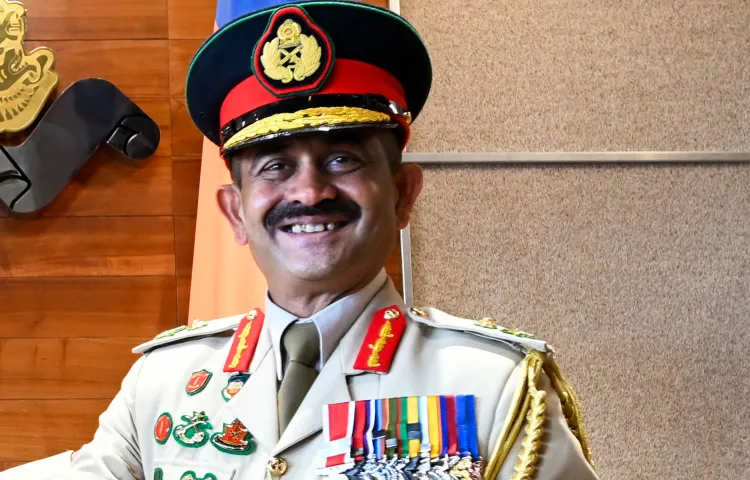
Sri Lanka arrests, investigates journalists G.P. Nissanka, Bimal Ruhunage
New York, March 29, 2024—Sri Lankan authorities must immediately drop their investigations into journalists G.P. Nissanka and Bimal Ruhunage and allow them to report without fear of reprisal, the Committee to Protect Journalists said Friday. On the evening of March 5, officers with the Sri Lanka police service’s Criminal Investigation Department arrested G.P. Nissanka, owner…
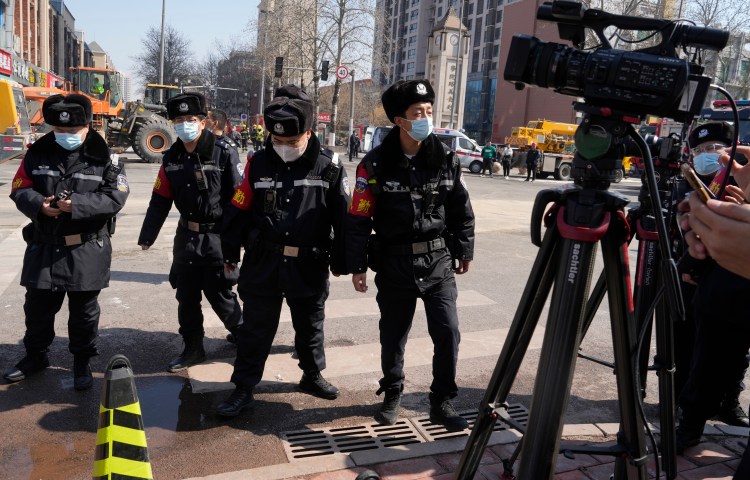
Rare rebuke for Chinese police who harassed state journalists covering gas explosion
Police blocked and harassed reporters from the state-owned broadcaster CCTV at the site of a fatal gas explosion in Sanhe, a city in China’s northern Hebei province, on March 13, 2024, according to news reports. The explosion was triggered by a gas leak at a restaurant, which killed seven and injured 27. During a live…
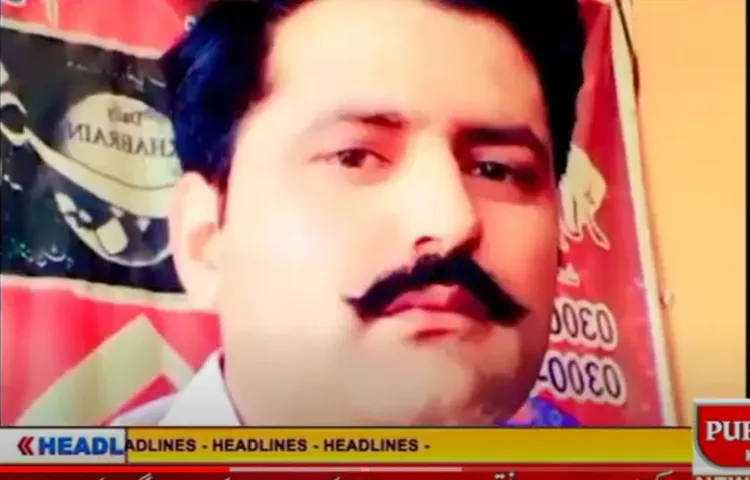
Pakistani journalist Jam Saghir Ahmed Lar shot dead in Punjab
New York, March 22, 2024— Pakistani authorities must thoroughly investigate the killing of journalist Jam Saghir Ahmed Lar and ensure that his murderers are brought to justice, the Committee to Protect Journalists said Friday. On March 14, Lar, a correspondent for the Daily Khabrain newspaper and contributor to local news outlets in the city of…