
Pakistani authorities detain journalist Sohrab Barkat again over reporting on Kashmir
New York, June 12, 2026—The Committee to Protect Journalists calls on Pakistani authorities to immediately release journalist Sohrab Barkat who was arrested on June 5 at his home in Islamabad over reports on his YouTube channel about protests in Pakistan-administered Kashmir. After the arrest and seizure of his phone and car keys, the National Cyber…
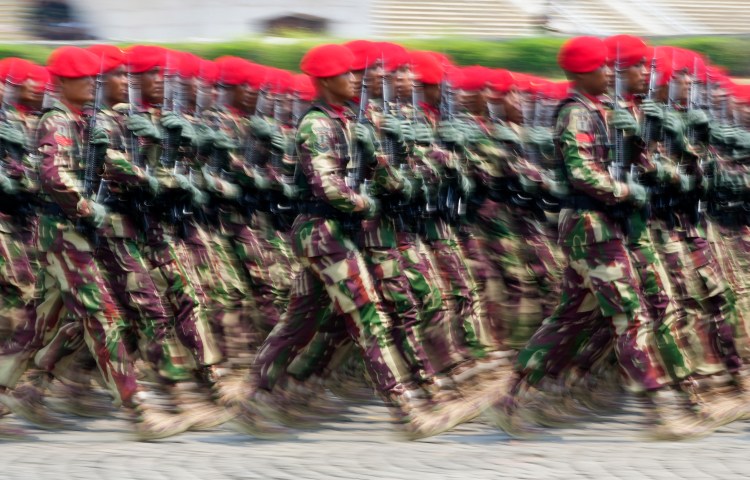
Chicken heads sent to Indonesian news outlet after threats over coverage of Papua documentary
Jakarta, June 11, 2026—The Committee to Protect Journalists condemns the repeated harassment of Indonesian news site Floresa following its coverage of an investigative documentary about deforestation in Papua province caused by aggressive agribusiness expansion. On June 5, a Floresa journalist discovered three rotten chicken heads outside the outlet’s office in Labuan Bajo, East Nusa Tenggara,…
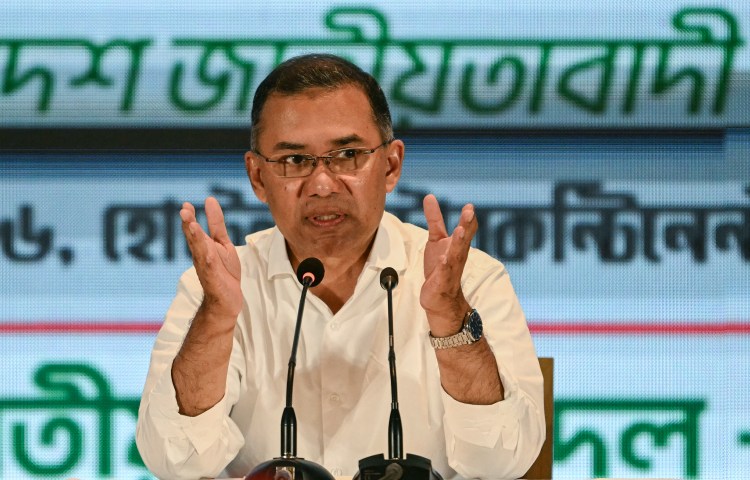
100 days on: CPJ urges Bangladesh’s Tarique Rahman to break the cycle of press repression
After 100 days in office, Prime Minister Tarique Rahman must start living up to his election manifesto pledge of protecting press freedom by breaking the cycle of partisan persecution of journalists in Bangladesh, the Committee to Protect Journalists said. Bangladesh has had three governments in under two years: the administration of long-time leader Sheikh Hasina’s…
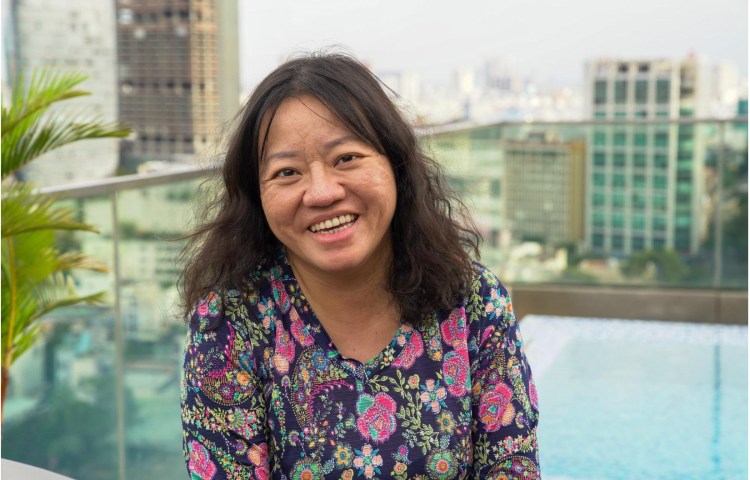
CPJ, partners call for Vietnamese journalist Pham Doan Trang’s release on her 48th birthday
The Committee to Protect Journalists and a coalition of press freedom and freedom of expression organizations issued a joint statement on Thursday calling for the immediate release of Vietnamese journalist Pham Doan Trang on the occasion of her 48th birthday. Trang, a former CPJ International Press Freedom Award winner, is serving a nine-year prison sentence…
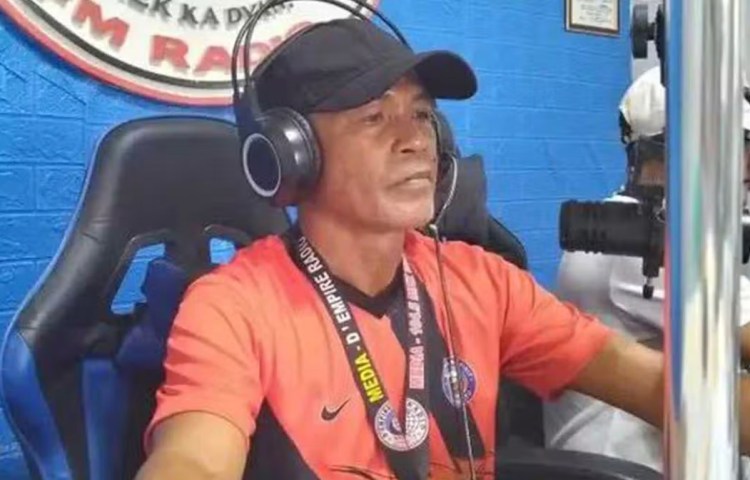
Philippine radio reporter Nestor Micator killed in drive-by shooting
Bangkok, May 27, 2026—Philippine authorities must conduct a thorough investigation into the killing of radio journalist Nestor Micator, identify and arrest those responsible, and ensure they are brought to full justice, the Committee to Protect Journalists said Wednesday. Micator, a news reporter at the local D’Empire Radio Station, was shot and killed on May 21…
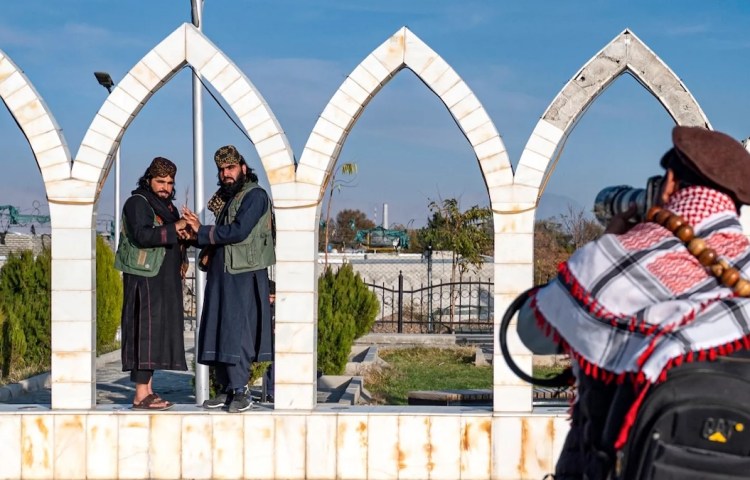
CPJ urges European Commission to not invite the Taliban to Brussels
The Committee to Protect Journalists on Monday called on the European Commission to scrap reported plans to invite the Taliban to Brussels. According to media reports, the technical talks would focus on the return of rejected asylum seekers and Afghans convicted of crimes. The European Union does not officially recognize the Taliban, and formal engagement…
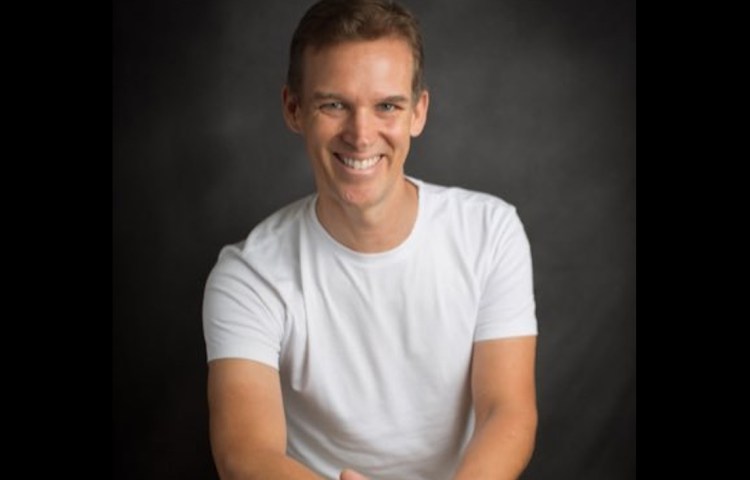
Investigative reporter Tom Wright faces criminal defamation charge in Thailand
Mae Sot, May 18, 2026—The Committee to Protect Journalists calls on Thai politician Vorapak Tanyawong to drop his criminal defamation suit against Whale Hunting newsletter’s investigative reporter Tom Wright, and urges Thailand to reform its criminal statutes so that they cannot be abused to silence the press. Wright told CPJ that he faces criminal charges…
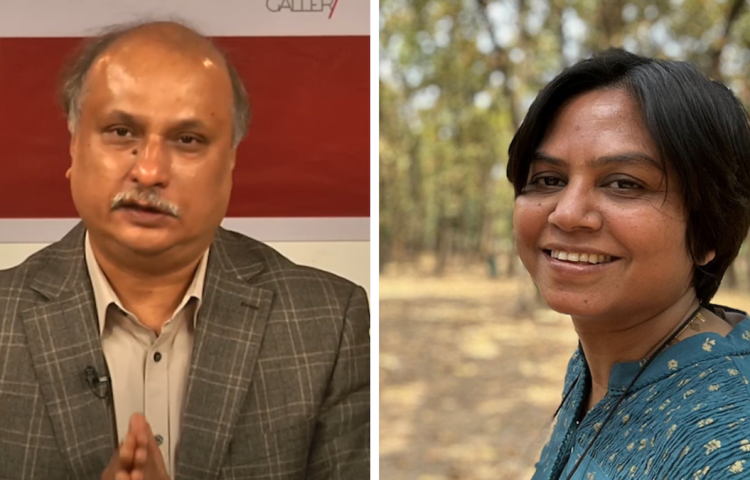
Bangladesh tribunal shows journalists Rupa and Babu arrested over 2013 reporting
May 15, 2026, New Delhi—Bangladeshi authorities must release journalists Farzana Rupa and Mozammel Babu, who were recently arrested in a crimes-against-humanity case filed at the country’s International Crimes Tribunal (ICT), the Committee to Protect Journalists said Friday. On May 14, the ICT in the capital Dhaka showed Rupa, a former chief reporter and presenter at…
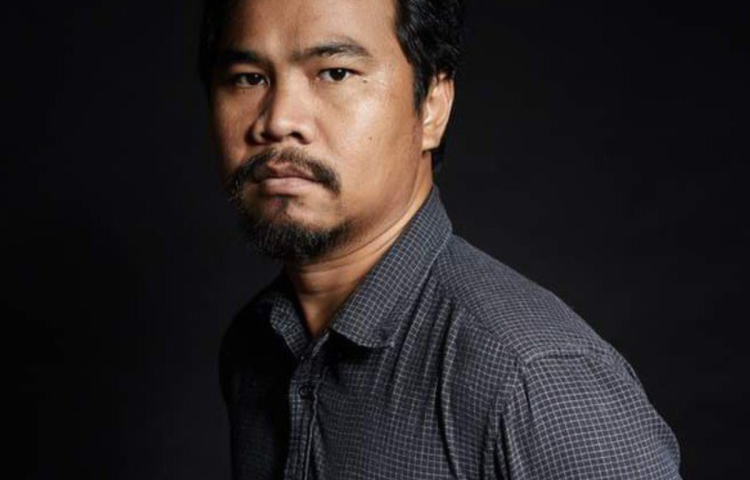
Thai journalist Kowit Phothisan could face years in prison for defamation
Bangkok, May 14, 2026—The Committee to Protect Journalists calls on Thai politician Suchart Chomklin to immediately drop his criminal defamation lawsuit against Kowit Phothisan, editor of the independent online outlet The Isaan Record, and on Thai authorities to strengthen protections against strategic lawsuits targeting journalists. Kowit faces charges for sharing a Facebook post related to…
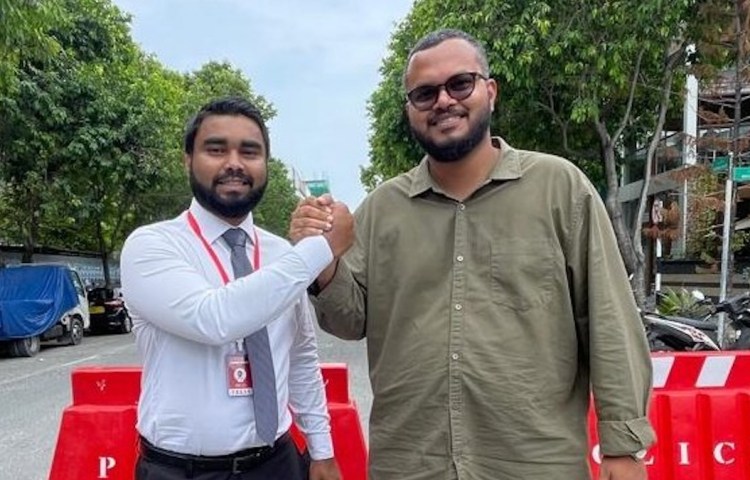
Maldives jails 2 journalists over documentary about President Muizzu
New Delhi, May 12, 2026—Maldivian authorities must immediately release journalists Mohamed Shahzan and Leevan Ali Nasir and end judicial harassment of their news outlet, Adhadhu, the Committee to Protect Journalists said Tuesday. According to a report by Adhadhu and a post on X by the Maldives Journalists Association, a court in the capital Malé sentenced…