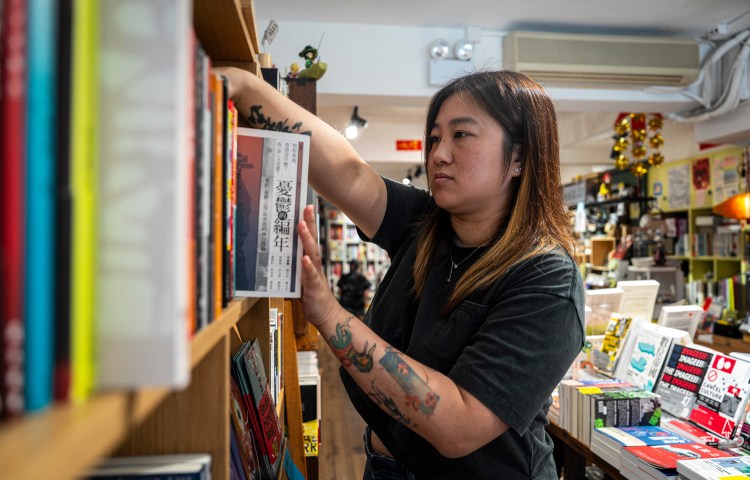
Hong Kong arrests magazine editor in sedition probe tied to independent bookstore
New York, June 25, 2026—The Committee to Protect Journalists calls on Hong Kong authorities to immediately release journalist and bookseller Leticia Wong Man-huen who was arrested on suspicion of selling seditious publications and receiving funds from foreign political organizations. “The arrest of a journalist and editor over items sold through an independent bookstore shows Hong…
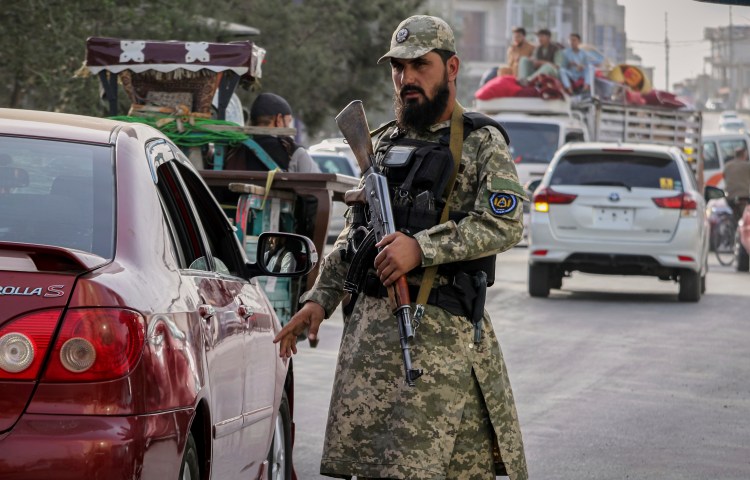
Taliban shuts down Tamadon TV amid crackdown on Afghanistan’s Shia broadcasters
New York, June 24, 2026—Taliban authorities must allow broadcaster Tamadon TV to resume operations without interference and stop their escalating crackdown on Afghanistan’s independent media, the Committee to Protect Journalists said Wednesday. On June 23, several armed members of the Taliban’s Ministry of Justice raided Tamadon TV’s headquarters in the capital city of Kabul, insulted…
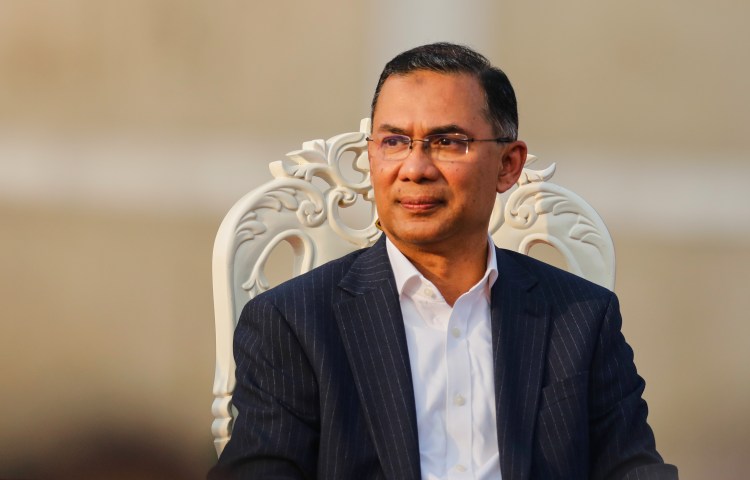
Bangladesh charges 6 journalists over corruption reporting
New Delhi, June 22, 2026—Bangladeshi authorities should drop all charges filed against six journalists from the daily Agrajatra Pratidin who have been criminalized for their public-interest reporting on political corruption, the Committee to Protect Journalists said Monday. Police have charged the journalists under the Cyber Security Act 2026, as well as with criminal defamation, extortion,…
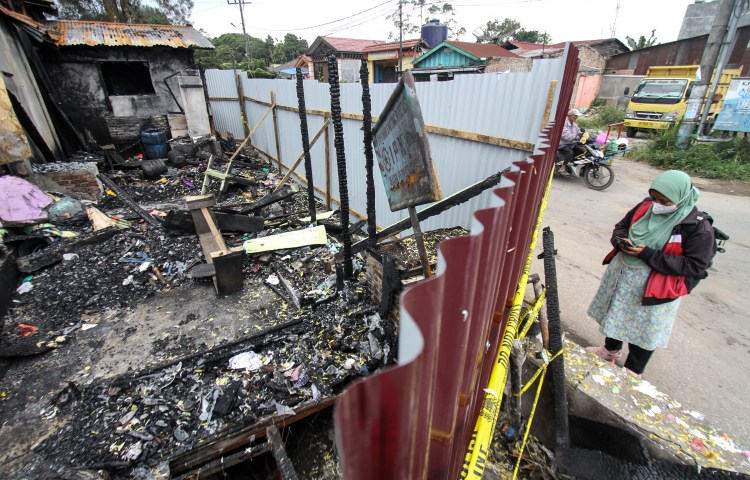
CPJ, FPU report exposes serious flaws in Indonesia’s investigation of journalist’s murder
New York/Amsterdam, June 22, 2026—Ahead of the second anniversary of a deadly arson attack on Indonesian journalist Rico Sempurna Pasaribu and his family, a new investigation by the Committee to Protect Journalists (CPJ) and Free Press Unlimited (FPU) has uncovered major flaws in the murder case that highlight the Southeast Asian nation’s poor record of ending impunity…
Impunity in Indonesia: The leads left unfollowed in journalist Rico Sempurna Pasaribu’s murder
Introduction Around 3:30 a.m. on June 27, 2024, Rico Sempurna Pasaribu and three of his family members were murdered when their home in the Sumatran town of Kabanjahe was doused with gasoline and set on fire. News spread quickly when it became clear the target of the attack was a journalist with news site Tribrata…
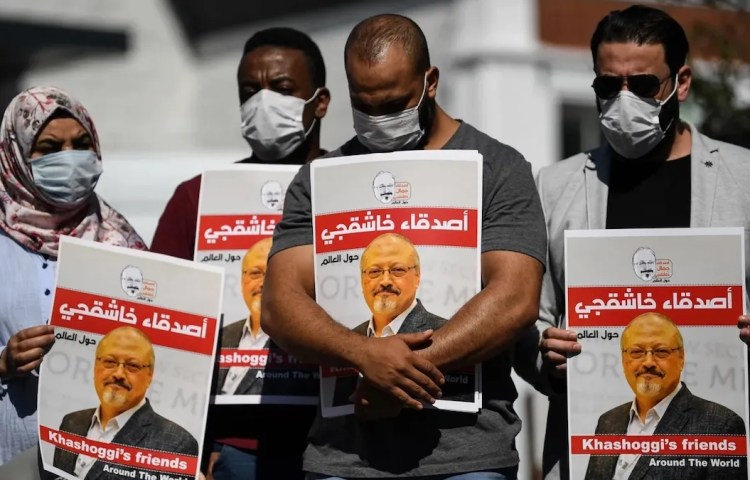
World Refugee Day 2026: Supporting journalists in exile amid transnational repression
World Refugee Day draws attention to journalists who have been forced to flee their home countries due to threats, conflict, or repression. While exile is now recognized as a growing reality for journalists worldwide, the experiences of journalists CPJ supported last year reflect the reality that relocation does not necessarily bring safety. Increasingly, journalists in…

Pakistani authorities detain journalist Sohrab Barkat again over reporting on Kashmir
New York, June 12, 2026—The Committee to Protect Journalists calls on Pakistani authorities to immediately release journalist Sohrab Barkat who was arrested on June 5 at his home in Islamabad over reports on his YouTube channel about protests in Pakistan-administered Kashmir. After the arrest and seizure of his phone and car keys, the National Cyber…
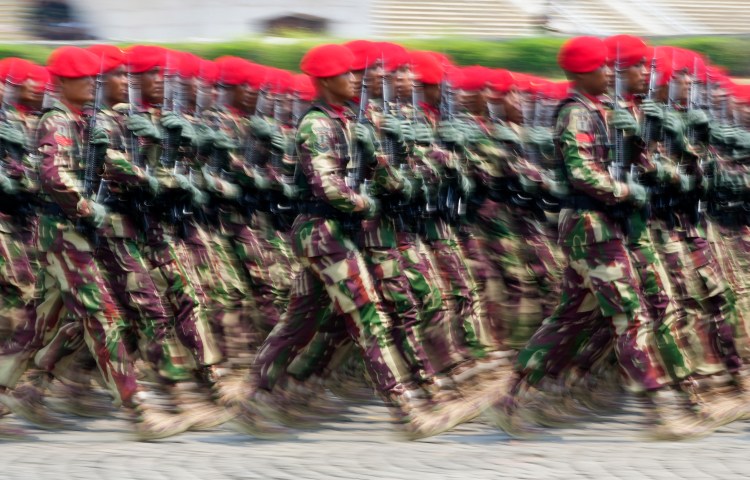
Chicken heads sent to Indonesian news outlet after threats over coverage of Papua documentary
Jakarta, June 11, 2026—The Committee to Protect Journalists condemns the repeated harassment of Indonesian news site Floresa following its coverage of an investigative documentary about deforestation in Papua province caused by aggressive agribusiness expansion. On June 5, a Floresa journalist discovered three rotten chicken heads outside the outlet’s office in Labuan Bajo, East Nusa Tenggara,…
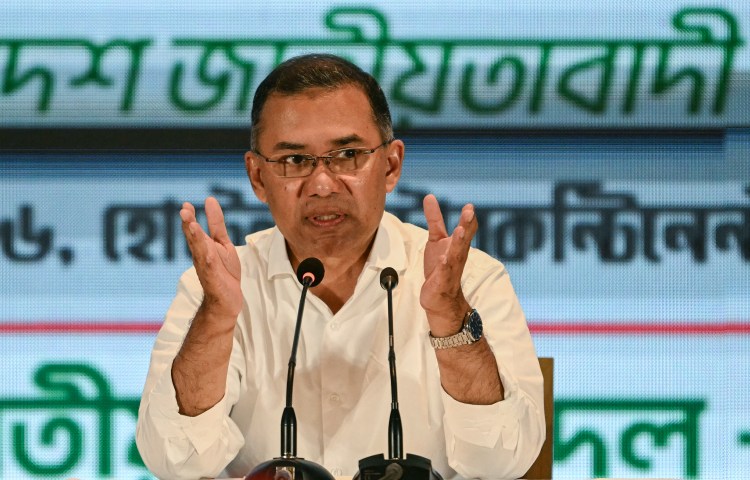
100 days on: CPJ urges Bangladesh’s Tarique Rahman to break the cycle of press repression
After 100 days in office, Prime Minister Tarique Rahman must start living up to his election manifesto pledge of protecting press freedom by breaking the cycle of partisan persecution of journalists in Bangladesh, the Committee to Protect Journalists said. Bangladesh has had three governments in under two years: the administration of long-time leader Sheikh Hasina’s…
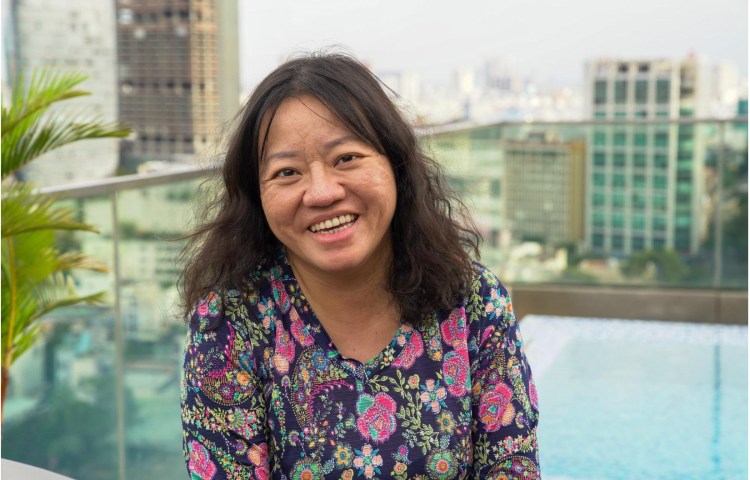
CPJ, partners call for Vietnamese journalist Pham Doan Trang’s release on her 48th birthday
The Committee to Protect Journalists and a coalition of press freedom and freedom of expression organizations issued a joint statement on Thursday calling for the immediate release of Vietnamese journalist Pham Doan Trang on the occasion of her 48th birthday. Trang, a former CPJ International Press Freedom Award winner, is serving a nine-year prison sentence…