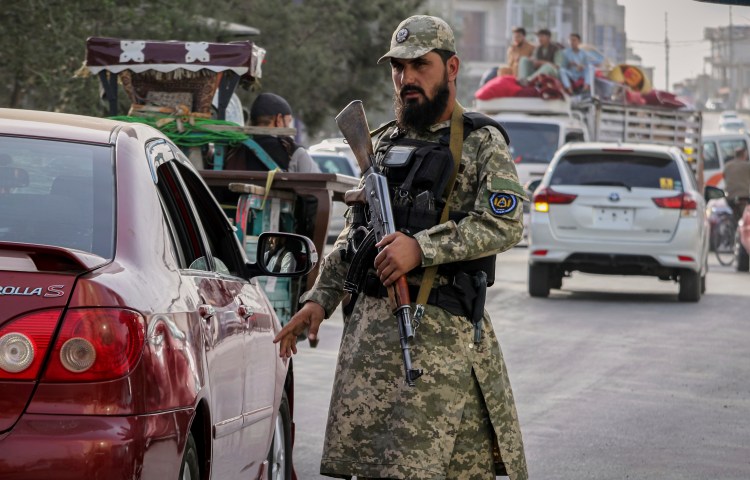
Taliban shuts down Tamadon TV amid crackdown on Afghanistan’s Shia broadcasters
Editor’s note: On June 23, 2026, Tamadon TV Managing Editor Mohammad Rahmati and his colleague, media worker Mohammad Reza Ehsani, were detained after being summoned to the Ministry of Justice headquarters in Kabul to discuss the network’s shutdown. New York, June 24, 2026—Taliban authorities must allow broadcaster Tamadon TV to resume operations without interference and…
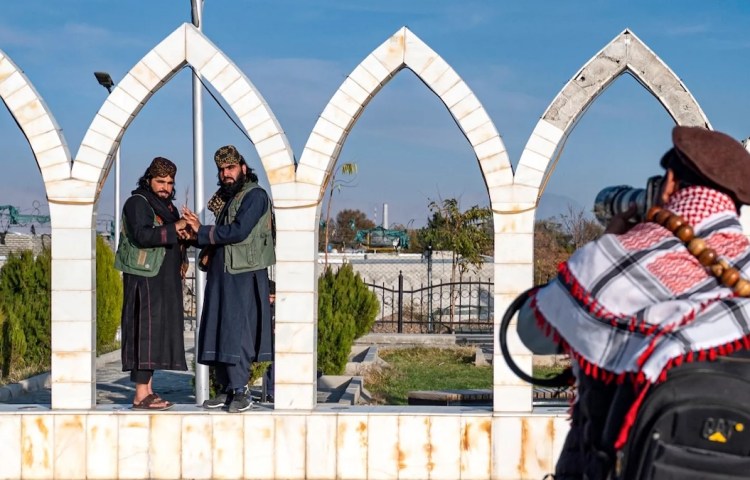
CPJ urges European Commission to not invite the Taliban to Brussels
The Committee to Protect Journalists on Monday called on the European Commission to scrap reported plans to invite the Taliban to Brussels. According to media reports, the technical talks would focus on the return of rejected asylum seekers and Afghans convicted of crimes. The European Union does not officially recognize the Taliban, and formal engagement…
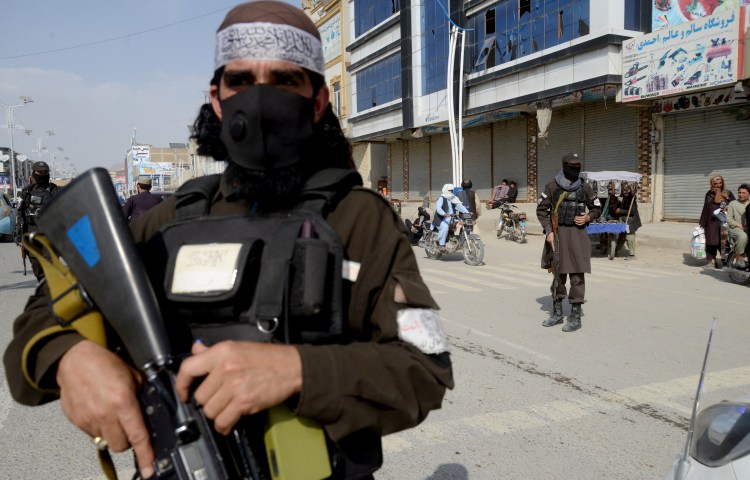
Taliban raids TOLOnews office in Afghanistan after detaining 2 journalists
New York, May 12, 2026—The Committee to Protect Journalists calls on Taliban authorities in Afghanistan to immediately and unconditionally release two journalists from TOLOnews and end the harassment of media workers following a raid on the broadcaster and its parent company, Moby Group. Taliban intelligence agents detained TOLOnews presenter Mansoor Niazi on May 7 in…

CPJ, partners urge Pakistan PM to stop deportations of exiled Afghan journalists
The Committee to Protect Journalists has joined two other press freedom groups in calling on Pakistan’s Prime Minister Shehbaz Sharif to end the intensifying harassment, arbitrary arrests, and deportations of Afghan journalists living in exile in Pakistan. In a joint letter sent March 13, the organizations said Afghan journalists who fled Taliban persecution were now…
Taliban shut down and seize Rah-e-Farda TV station in Afghanistan
New York, March 4, 2026—The Taliban must return control of the privately owned Rah-e-Farda TV station to its owner, permit the broadcaster to resume operations, and immediately end their systematic repression of independent media in Afghanistan, the Committee to Protect Journalists said Thursday. On February 28, Taliban intelligence officers raided Rah-e-Farda TV’s office in the…
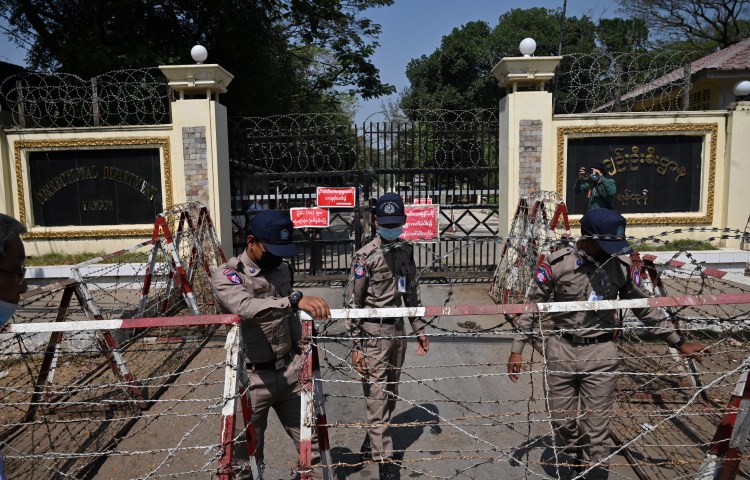
Human Rights Day 2025: CPJ calls on Asian governments to free imprisoned journalists
December 8, 2025—The Committee to Protect Journalists has written to heads of government across Asia ahead of International Human Rights Day on December 10, urging them to immediately free reporters imprisoned for their work. As of December 1, Asia holds at least 106 journalists behind bars, with China (50), Myanmar (27), and Vietnam (16) the…

Journalist Abdul Ghafor Abed killed in clash along Afghanistan-Pakistan border
New York, October 16, 2025—Taliban authorities and the Pakistan government must immediately investigate the circumstances surrounding the killing of Afghan journalist Abdul Ghafor Abed and ensure that journalists covering conflict zones are protected in line with international law, the Committee to Protect Journalists said Thursday. Abed, a provincial reporter for Taliban-controlled Radio Television Afghanistan (RTA),…

CPJ and #KeepItOn coalition urge Taliban to end internet blackouts in Afghanistan
The Committee to Protect Journalists and the #KeepItOn coalition call on Taliban authorities to pledge no further internet shutdowns in Afghanistan and ensure that citizens have access to information and journalists can continue to do their jobs. The joint statement issued on October 1 by 66 civil society groups strongly condemned the nationwide internet blackout…
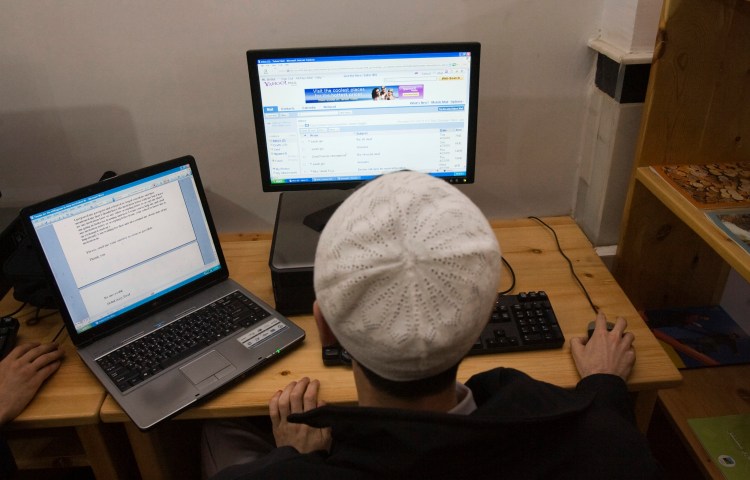
Taliban blocks fiber optic internet in Afghan provinces for ‘immorality’
New York, September 17, 2025—Taliban authorities must immediately restore fiber optic internet in Balkh and up to nine other provinces to ensure that Afghan citizens have access to Wi-Fi internet and journalists can continue to provide the public with reliable news, the Committee to Protect Journalists said Wednesday. “Banning broadband internet is an unprecedented escalation…

Taliban detains Afghan journalist who reports for Japanese media
New York, August 26, 2025—Taliban authorities must immediately release Afghan journalist Shikib Ahmad Nazari, who has been detained by Taliban since July after a raid at his office in the latest crackdown on journalists reporting for overseas media, the Committee to Protect Journalists said Tuesday. Nazari, who reports for Japan’s Nippon TV News among others, was detained on July…