Afghanistan
2013
Training can help journalists survive captivity
Two murdered journalists for the Africa service of Radio France Internationale, Ghislaine Dupont, 51, and Claude Verlon, 58, might have had a chance. They were abducted on November 2 in Kidal in northern Mali, but the vehicle their captors were driving suddenly broke down, according to news reports.
Endless surprises for Al-Jazeera
Mhamed Krichen/CPJ Board memberThere seems to be no end to American surprises when it comes to Al-Jazeera. The latest was revealed by Der Spiegel, the German weekly news magazine, which reported the U.S. National Security Agency hacked into our internal communications system, according to documents provided by Edward Snowden, the former NSA security analyst.
Afghan journalists in good hands–their own
I’ve been making the rounds of journalists and organizations in Kabul for the last several days. As I mentioned in my last post, I’ve been asked to come up with a support plan for journalists after next year’s presidential elections, the drawdown of international troops, and an expected reduction in international aid.
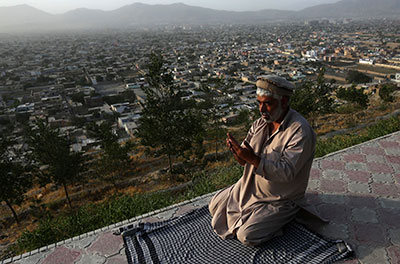
For Afghan journalists, elections, not troops, are key
I’m in Kabul for several days, making the rounds of journalists’ organizations and media houses. My brief is to see what, if anything, can be done to protect journalists after the withdrawal of NATO troops during and after 2014. But “post-2014” has much different connotations for the Afghans with whom I’ve spoken or been in…
Audio: Exiled Afghan journalist Barat Ali Batoor
In our special report, “Journalists in Exile,” CPJ examines the issues facing journalists who are forced to flee their countries due to intimidation, threats, or fear of imprisonment. Batoor, 29, an Afghan photojournalist, began receiving threats soon after a photo essay he worked on, “The Dancing Boys of Afghanistan,” was published in The Washington Post.…
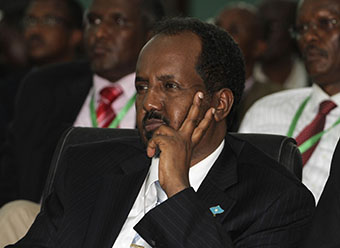
Hamid Karzai goes conservative on media
As if a faltering media industry and rising risks to endangered journalists as NATO reduces its forces in 2014 aren’t bad enough, add in a president pandering to religious conservatives in a pre-presidential election run-up. Reporting from Kabul, Reuters said Wednesday:
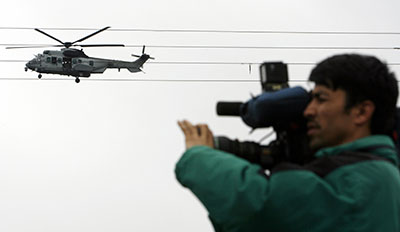
Getting ready for contingencies in Afghanistan
Considering the worst-case scenarios for post-2014 Afghanistan, international news agencies should start planning a range of assistance responses for locally hired journalists and media staff. By the end of 2014, NATO troops will have largely withdrawn and the Karzai government will make way for a new administration. If the situation becomes chaotic, Afghans working for…
French photographer escapes captors in Afghanistan
New York, April 8, 2013–Pierre Borghi, a French photographer who was abducted in Kabul more than four months ago, has escaped his captors, according to news reports citing the Afghan government. Borghi’s disappearance had not been made public in 2012 at the request of the French authorities who were trying to secure the journalist’s release.