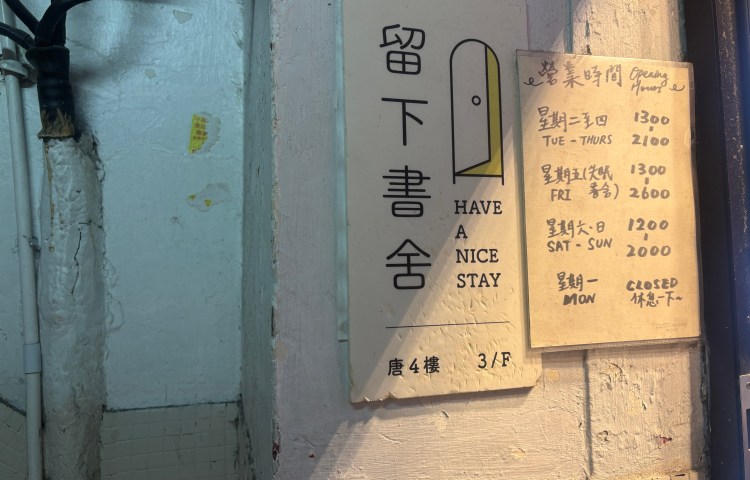
Hong Kong arrests 2 journalists in latest sedition case targeting independent bookstores
New York, July 16, 2026—The Committee to Protect Journalists calls on Hong Kong authorities to immediately release freelance journalists and booksellers Sum Wan-wah and Mandy Lau and end their escalating crackdown on independent publishing in the city, following the second such incident in less than a month. On July 15, Hong Kong police said its…
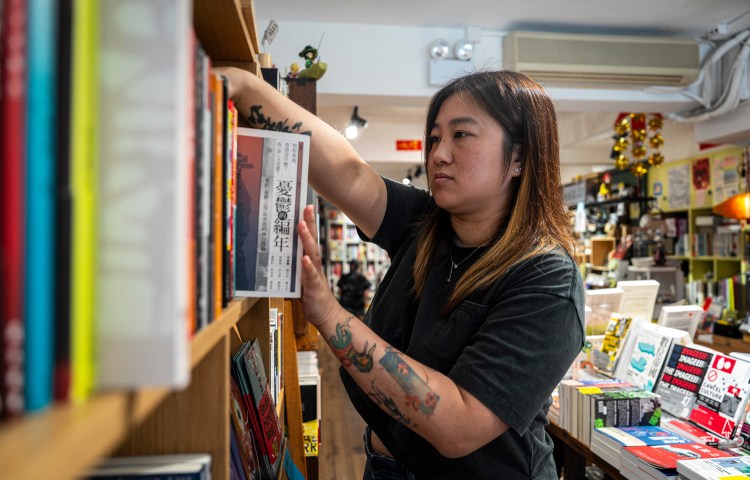
Hong Kong arrests magazine editor in sedition probe tied to independent bookstore
New York, June 25, 2026—The Committee to Protect Journalists calls on Hong Kong authorities to immediately release journalist and bookseller Leticia Wong Man-huen who was arrested on suspicion of selling seditious publications and receiving funds from foreign political organizations. “The arrest of a journalist and editor over items sold through an independent bookstore shows Hong…
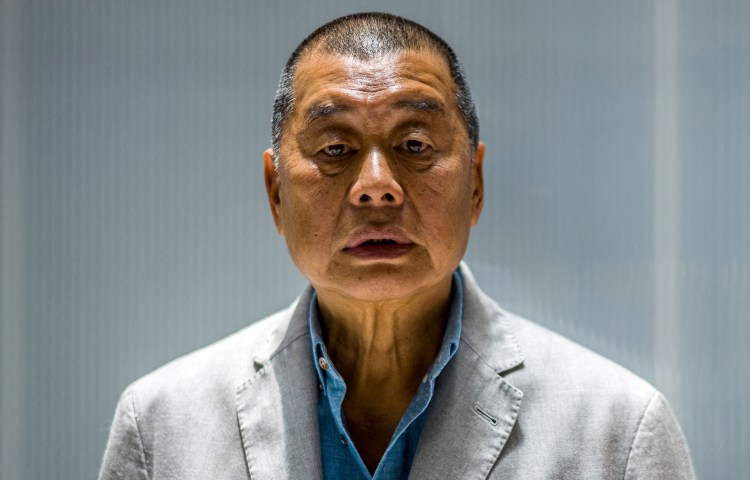
CPJ urges Trump to prioritize Jimmy Lai’s release in meeting with Xi Jinping
New York, May 12, 2026—The Committee to Protect Journalists urges U.S. President Donald Trump to do everything possible to secure the release of jailed Hong Kong publisher Jimmy Lai during his meeting this week with Chinese President Xi Jinping. Lai, a British citizen and founder of the defunct pro-democracy newspaper Apple Daily, was sentenced to…

Tumor found in jailed Chinese journalist Dong Yuyu’s lung after hospitalization
New York, May 5, 2026—The Committee to Protect Journalists calls on Chinese authorities to grant medical parole to jailed journalist Dong Yuyu so he can receive urgent treatment for a potentially dangerous lung tumor. “Dong Yuyu requires immediate attention for a fast-growing lung tumor and a host of other medical concerns,” said CPJ’s Asia-Pacific Director…
China moves journalist Dong Yuyu further from family with prison transfer
New York, April 15, 2026—The Committee to Protect Journalists condemns China’s decision to transfer veteran journalist Dong Yuyu from a prison in Beijing to another facility in Tianjin, a move that takes the 63-year-old, who is serving a seven-year sentence for espionage, further from home and makes it more difficult for his family to visit….
Jimmy Lai sentenced to 20 years in prison in Hong Kong’s biggest media trial
New York, February 9, 2026—The Committee to Protect Journalists on Monday condemned the sentencing of publisher Jimmy Lai to 20 years in prison and jail terms of six to 10 years for former colleagues from the now-defunct Apple Daily newspaper, in Hong Kong’s largest media trial. “The rule of law has been completely shattered in…
Jimmy Lai, 6 Apple Daily execs to be sentenced in Hong Kong’s biggest media trial
New York, February 6, 2026—The Committee to Protect Journalists calls on Hong Kong authorities to cease targeting journalists and release all those behind bars, ahead of Monday’s expected sentencing of publisher Jimmy Lai and six former colleagues from his defunct Apple Daily newspaper, in the city’s largest media trial. “Jimmy Lai’s trial has been nothing…
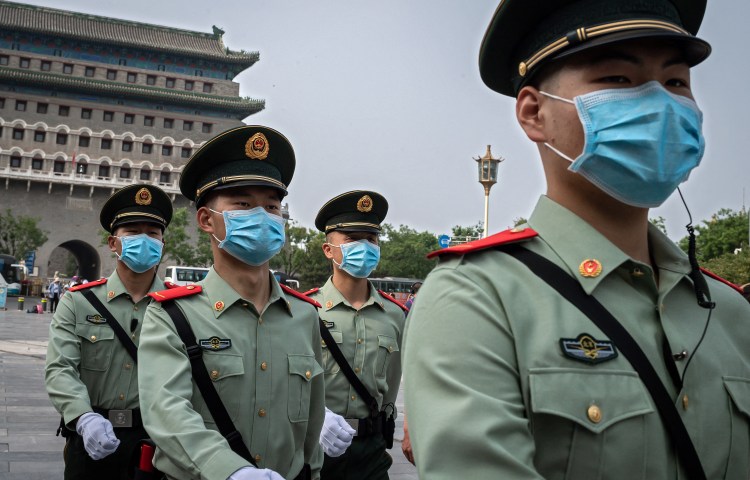
CPJ calls for release of 2 Chinese journalists held after reporting on corruption
New York, February 6, 2026—Chinese authorities must immediately release independent journalists Liu Hu and Wu Yingjiao, who were detained days after publishing a report accusing a local official of corruption, the Committee to Protect Journalists said on Friday. Liu, 50, and Wu, 34, were detained on February 1, news reports said. The following day police in the southwestern city of…

Chinese citizen journalist seeking asylum in US faces deportation
Update: Following the DHS’s decision to drop its proposal to deport the journalist to Uganda, CPJ calls on the agency to ensure that the journalist can stay in the U.S. while continuing the process of applying for asylum. Washington, D.C., December 18, 2025—The Trump administration’s plan to deport a Chinese citizen journalist — who fled…

CPJ joins 32 groups urging UK leader Starmer to secure Jimmy Lai’s release during China trade talks
The Committee to Protect Journalists has joined 32 organizations in calling on British Prime Minister Keir Starmer to use a planned visit to China next year to push for the release of Jimmy Lai, who was convicted in Hong Kong on Monday of national security offenses. Lai, a 78-year-old British citizen and founder of the…