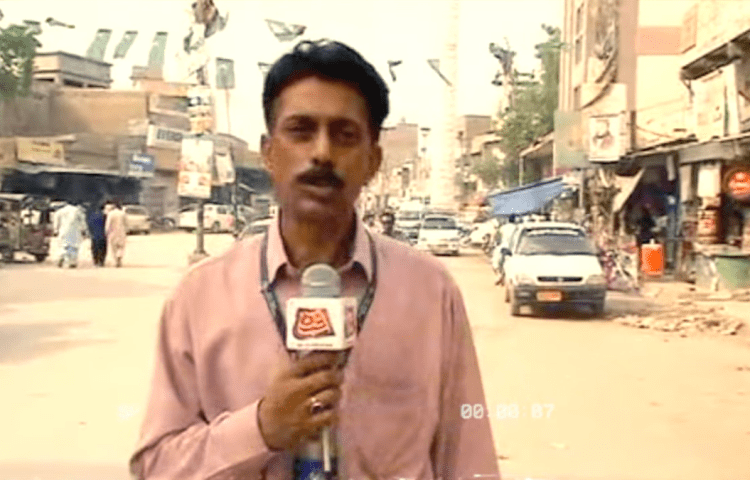
Press freedom coalition welcomes arrest in Shan Dahar murder, urges Pakistani authorities to order transparent reinvestigation
New York, April 9, 2026—Press freedom organizations Free Press Unlimited (FPU), the Committee to Protect Journalists (CPJ), and Reporters Without Borders (RSF) welcome the recent arrest of Irfan Brohi, a suspect in the 2014 murder of Pakistani journalist Zakir Hussain Dahar and call on authorities in Pakistan’s Sindh province to immediately appoint a senior police…

CPJ, partners urge Pakistan PM to stop deportations of exiled Afghan journalists
The Committee to Protect Journalists has joined two other press freedom groups in calling on Pakistan’s Prime Minister Shehbaz Sharif to end the intensifying harassment, arbitrary arrests, and deportations of Afghan journalists living in exile in Pakistan. In a joint letter sent March 13, the organizations said Afghan journalists who fled Taliban persecution were now…
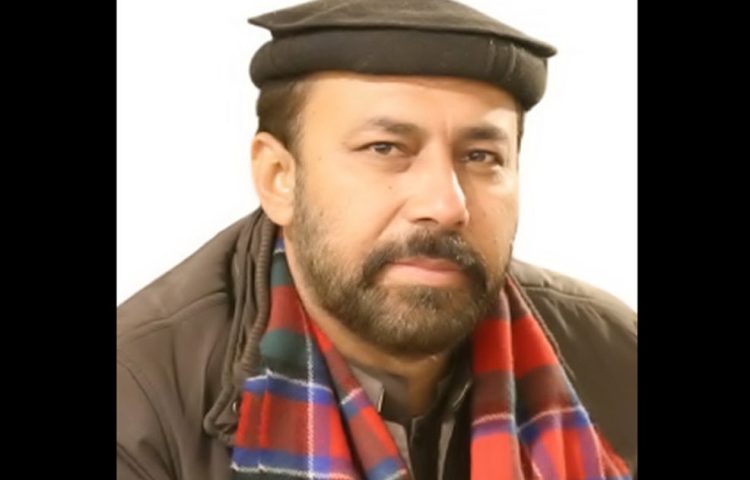
Gunmen open fire on the home of Pakistani journalist Ihsan Khattak
New York, February 27, 2026—Pakistani authorities should swiftly investigate a shooting attack on the residence of journalist Ihsan Khattak and ensure the safety of all reporters working in the province of Khyber Pakhtunkhwa, the Committee to Protect Journalists said Friday. On February 12, at about 9.45 p.m., unidentified gunmen fired multiple shots at the main…
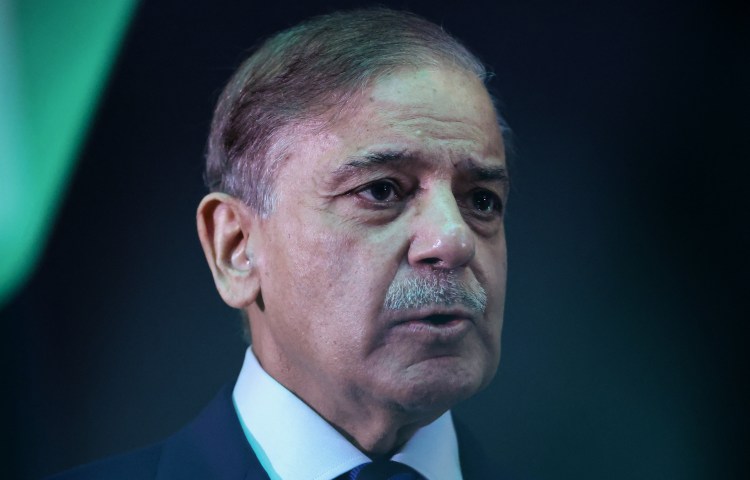
CPJ, rights groups urge Pakistan PM to address worsening press freedom climate
The Committee to Protect Journalists alongside 17 other press freedom and human rights organizations have written to Pakistan’s Prime Minister Shehbaz Sharif, urging his government to take immediate steps to uphold the country’s constitutional and international obligations to protect press freedom. In a joint letter, the groups said recent legal and institutional developments, coupled with…

Pakistani journalist Sohrab Barkat detained for more than 60 days as employer shuts Islamabad office
New York, February 5, 2026—Pakistani authorities must immediately and unconditionally release journalist Sohrab Barkat and ensure that his employer Siasat can continue to report the news freely, the Committee to Protect Journalist said on Thursday. Barkat was detained on November 26 on his way to attend a United Nations conference and is facing three separate…
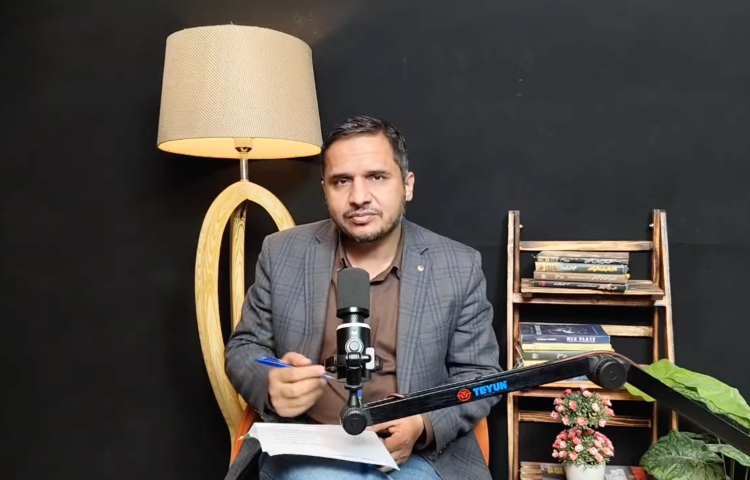
Pakistan journalist Nadir Abbas Baloch targeted with intimidation, threats
New York, January 27, 2026—Pakistani authorities must end their intimidation of journalist Nadir Abbas Baloch, who has been summoned twice for questioning in the past month over his reporting, and ensure his safety following several threats against him, the Committee to Protect Journalists said Tuesday. On December 12, the National Cyber Crime Investigation Agency (NCCIA)…
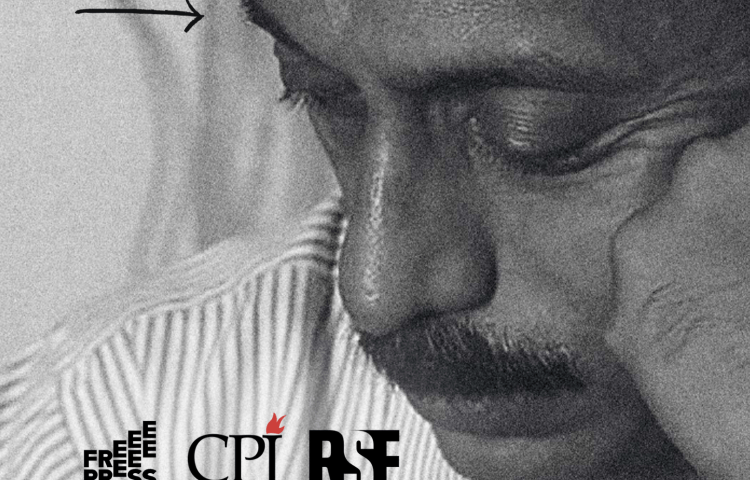
Despite Pakistan’s promises, unsolved journalist murders remain persistent
Amsterdam, January 21, 2026—Despite Pakistan’s repeated promises to protect press freedom, justice for murdered journalists remains out of reach. An investigation by international press freedom organizations has uncovered new evidence in the killing of journalist Shan Dahar, exposing police misconduct, political inaction, and years of impunity. Given the extensive evidence unearthed, and the suspected culprits…
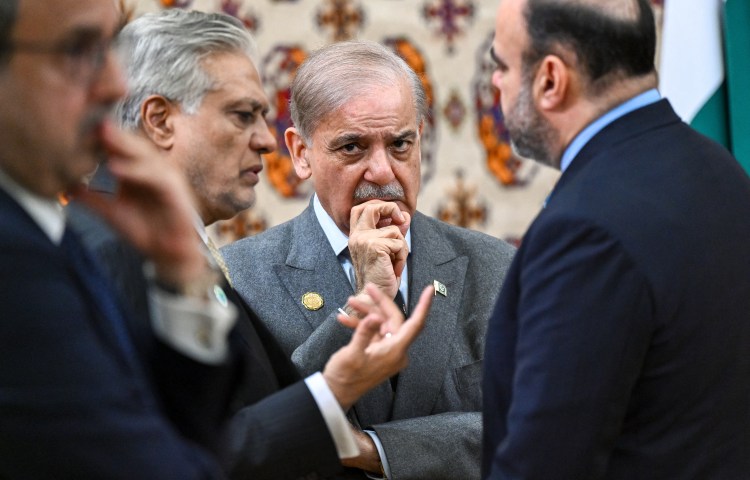
Harassed at home, convicted abroad: Pakistan steps up prosecution of overseas journalists
Pakistan’s government has stepped up the use of in absentia convictions and arrest warrants against Pakistani journalists living overseas since late 2025, highlighting an escalating crackdown by Prime Minister Shehbaz Sharif’s government on critical reporting and commentary that extends beyond domestic borders. In early January, four foreign-based Pakistani journalists and commentators were convicted on the…
Pakistani journalist Sohrab Barkat detained over interview with opposition politician
New York, December 2, 2025—Pakistani authorities must immediately release journalist Sohrab Barkat, drop all pending charges against him, and cease intimidating members of the press, the Committee to Protect Journalists said on Tuesday. Barkat, an Islamabad-based correspondent for Pakistani news outlet Siasat and the host of his own YouTube channel, was detained at Islamabad International…

Pakistani journalist Imtiaz Mir killed by militant group in Karachi
New York, October 31, 2025—The Committee to Protect Journalists urges authorities in Pakistan to swiftly investigate and prosecute the suspected killers of journalist Imtiaz Mir, who was allegedly murdered by a militant group in connection to his reporting on Israel. “Authorities in Pakistan must hold those responsible for killing Imtiaz Mir accountable and send a…