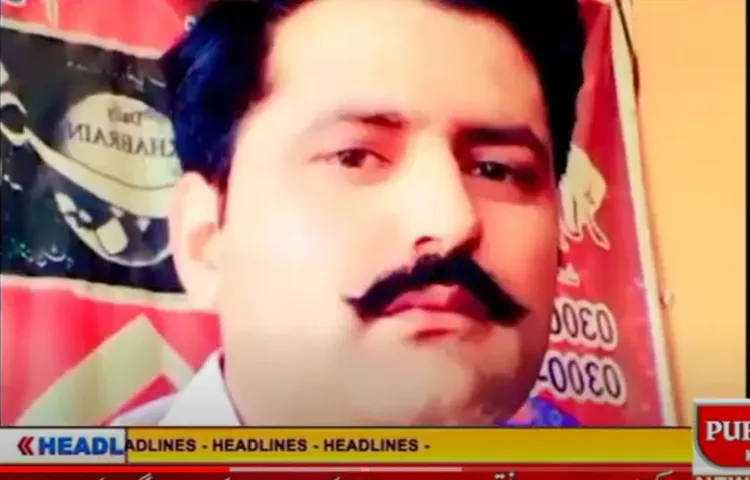
Pakistani journalist Jam Saghir Ahmed Lar shot dead in Punjab
New York, March 22, 2024— Pakistani authorities must thoroughly investigate the killing of journalist Jam Saghir Ahmed Lar and ensure that his murderers are brought to justice, the Committee to Protect Journalists said Friday. On March 14, Lar, a correspondent for the Daily Khabrain newspaper and contributor to local news outlets in the city of…
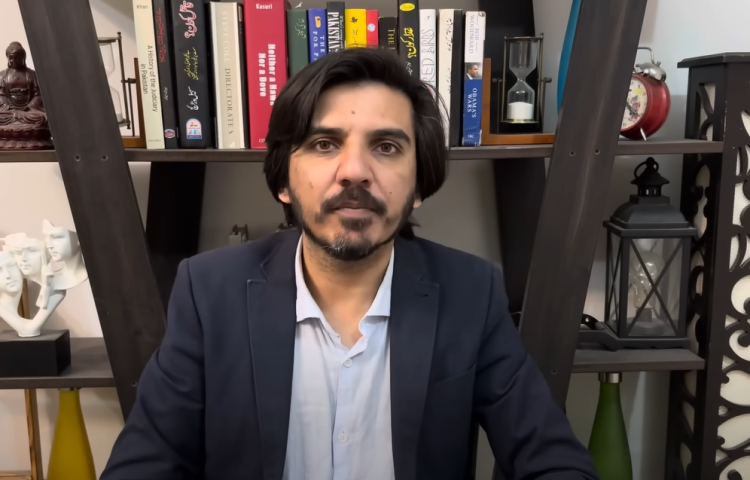
Pakistan court remands journalist Asad Ali Toor in cybercrime case
New York, March 15, 2024—Pakistan authorities must immediately and unconditionally release independent journalist Asad Ali Toor, return his devices, and cease harassing him in retaliation for his journalistic work, the Committee to Protect Journalists said Friday. On March 8, a court in Pakistan’s capital, Islamabad, ordered Toor be sent to jail on a 14-day judicial…
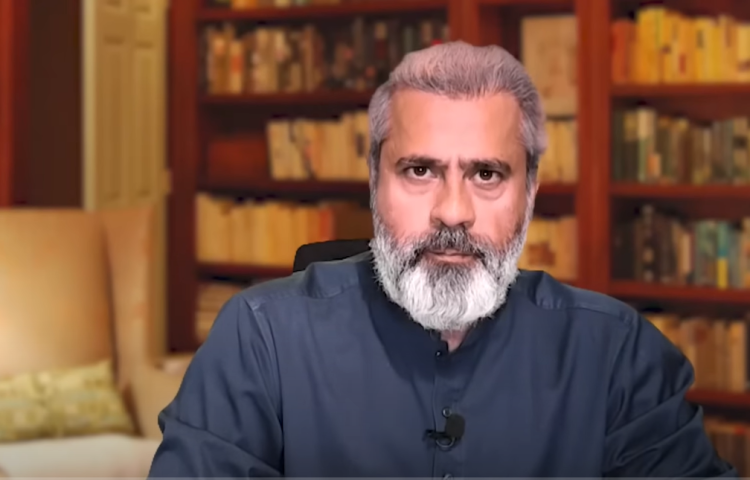
Pakistani journalist Imran Riaz Khan held in terrorism investigation
New York, March 5, 2024—Pakistani authorities must immediately and unconditionally release journalist Imran Riaz Khan, whose whereabouts are unknown, and stop harassing and detaining members of the press for their work, the Committee to Protect Journalists said on Tuesday. On March 1, the journalist—whose current affairs YouTube channel Imran Riaz Khan has some 4.6 million…
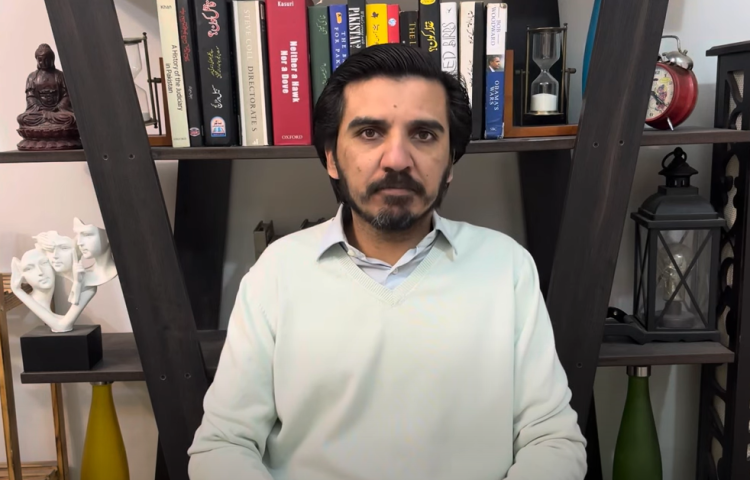
Pakistani journalist Asad Ali Toor arrested after responding to summons for questioning
New York, February 26, 2024—Pakistan’s Federal Investigation Agency arrested independent journalist Asad Ali Toor on Monday after he was ordered to appear for questioning in connection to an alleged “explicit and malicious” campaign against Supreme Court judges, according to news reports and the journalist’s lawyer, Imaan Mazari-Hazir, who spoke to CPJ. Toor operates Asad Toor…
CPJ joins call urging Pakistan to reinstate internet access after election day suspension
On Thursday, the Committee to Protect Journalists, Access Now, and the #KeepItOn coalition strongly condemned the Pakistani caretaker government’s suspension of mobile services across the country during its elections and called for full internet access to be reinstated immediately. Read the full joint statement here.
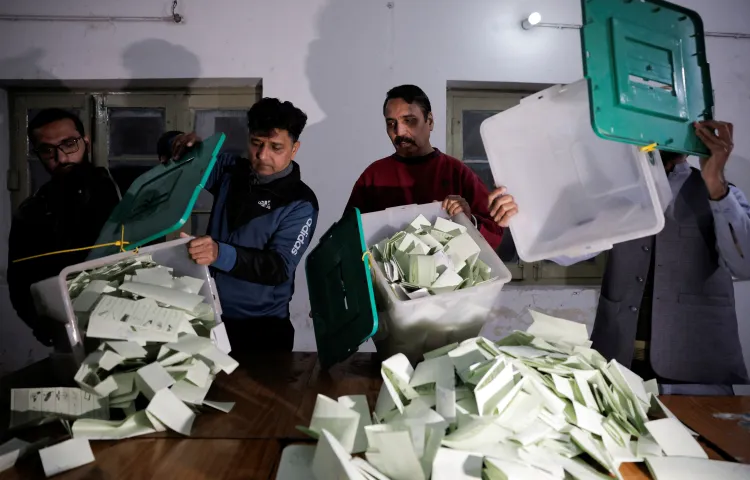
CPJ condemns phone and internet disruptions, barring of journalists during Pakistan election
New York, February 8, 2024—The Committee to Protect Journalists condemns the cell phone service suspension and widespread internet disruptions as Pakistan went to the polls on Thursday, with reports of journalists prevented from coverage in some areas. “Cutting off mobile communication services on an election day and preventing journalists from reporting from polling stations severely…
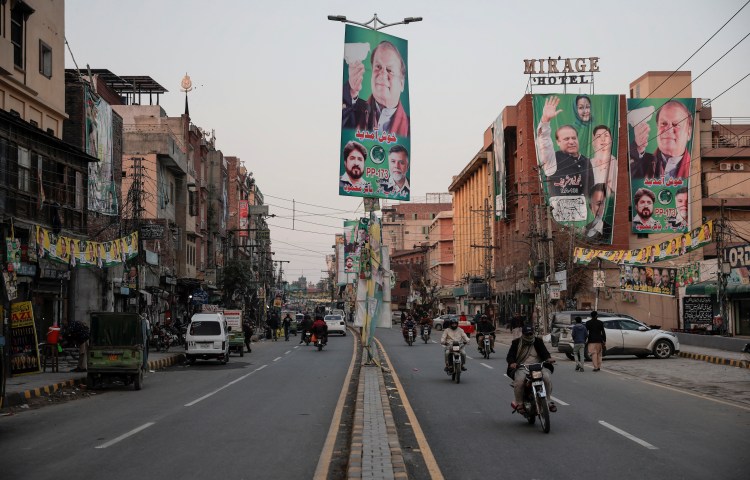
Pakistan restricts internet in Balochistan ahead of polls, blocks news website
New York, February 6, 2024—Pakistani authorities must allow journalists to work freely and safely in the run-up to elections on February 8, allow nationwide access to the internet, and unblock the investigative news website FactFocus, the Committee to Protect Journalists said Tuesday. Internet services will be temporarily restricted in “sensitive” polling booths across Pakistan’s southwestern…
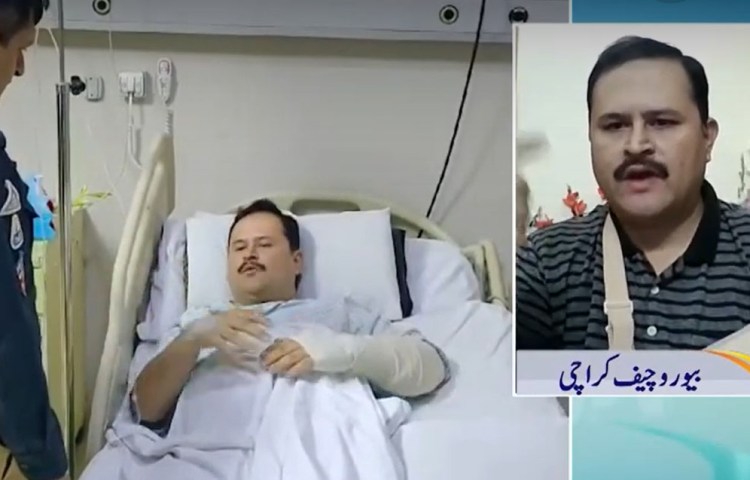
Pakistani TV journalist Shoaib Burni injured in gun attack in Karachi
New York, January 19, 2024— Pakistan authorities must immediately investigate the attack against Suno News journalist Shoaib Burni, and hold the perpetrators accountable, the Committee to Protect Journalists said Friday. On January 14, an unknown number of unidentified gunmen on a motorbike shot Burni, who is the TV station’s bureau chief in Karachi, in the…
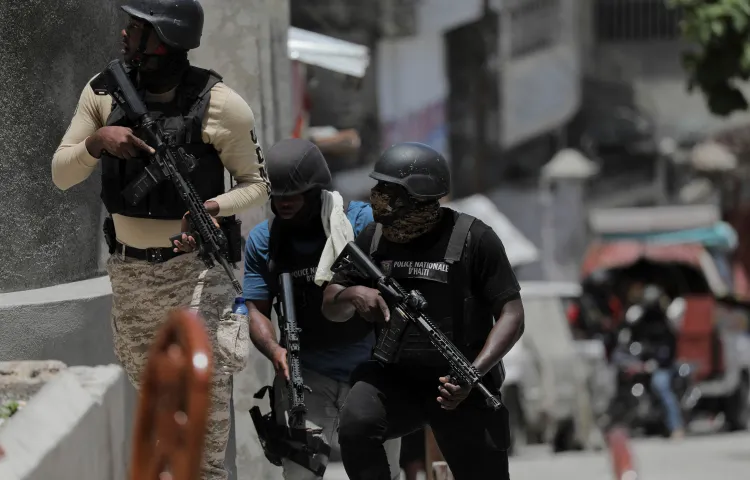
Haiti joins list of countries where killers of journalists most likely to go unpunished
By Arlene Getz/CPJ Editorial Director The persistent lack of justice for murdered reporters is a major threat to press freedom. Ten years after the United Nations declared an international day to end impunity for crimes against journalists – and more than 30 years after CPJ began documenting these killings – almost 80% of their killings…
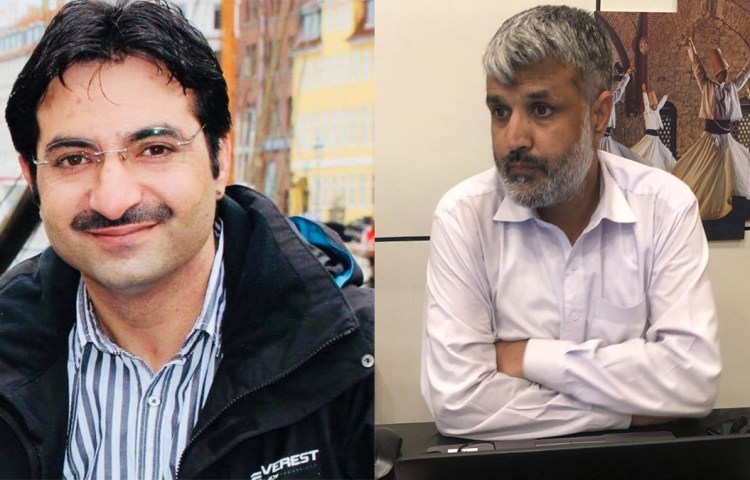
Pakistani journalist Fayaz Zafar arrested and alleges police abuse, Amjad Ali Sahaab under investigation
New York, September 8, 2023—Pakistan authorities must cease harassing journalists Fayaz Zafar and Amjad Ali Sahaab and immediately and impartially investigate Zafar’s detention and allegations that he was abused by police, the Committee to Protect Journalists said Friday. On August 30, police arrested Zafar, a reporter for the U.S.-Congress-funded Pashto-language broadcaster Voice of America Deewa…